- calendar_today August 31, 2025
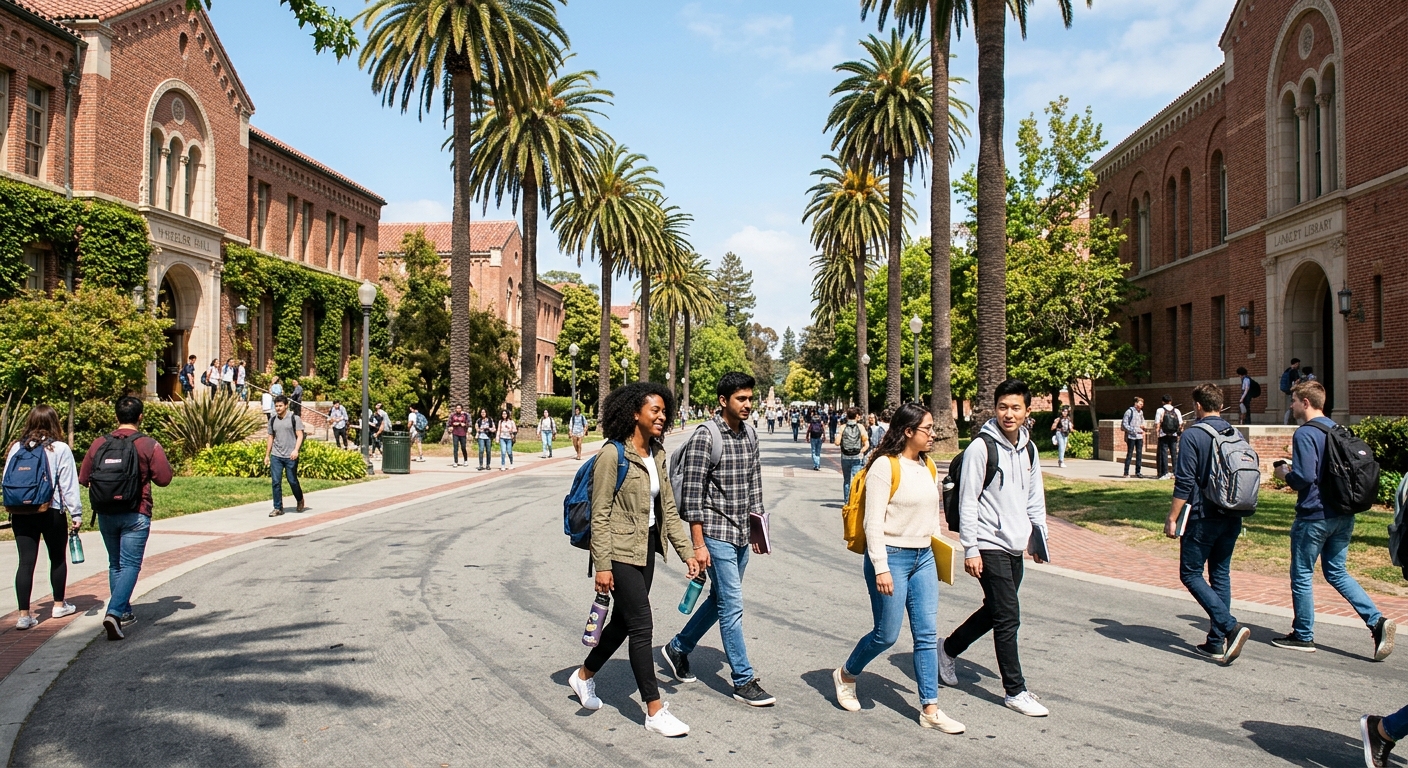
Federal student loan repayment is undergoing a nationwide transformation in 2025—and borrowers in North Carolina and South Carolina are directly affected. From students at UNC and Duke to graduates of Clemson, USC, and community colleges across both states, the changes are reshaping how debt is repaid, forgiven, and even borrowed.
With education costs rising and many residents managing loans well into adulthood, the Carolinas are watching these new federal rules closely. The region has a diverse borrower base—urban professionals in Charlotte and Raleigh, educators and public workers in smaller towns, and rural borrowers across the Appalachian and Lowcountry areas. All are now adapting to a system that looks very different from the one that existed during the pandemic pause.
Here are the five most important student loan updates Carolinians should be aware of in 2025.
1. Interest Resumes After Five-Year Hiatus
After being paused since 2020 due to COVID-19 relief, federal student loan interest has officially resumed as of August 2025. Borrowers across both North and South Carolina are seeing monthly payments increase as interest accrues again—at rates between 4% and 7.5%, depending on the type of loan.
In states where median household income often falls below the national average—particularly in rural counties—this shift is putting added pressure on monthly budgets. Even those who continued to make payments during the pause are now watching their loan balances grow due to interest charges.
Financial counselors in cities like Charlotte, Columbia, and Charleston are seeing increased demand from borrowers needing help restructuring their budgets or exploring alternative repayment strategies now that interest is back.
2. Repayment Plans Have Been Consolidated
The federal government has consolidated its repayment programs into just two core options: the standard 10-year plan and the Repayment Assistance Plan (RAP), which adjusts payments based on income and family size.
For borrowers in both Carolinas—many of whom relied on now-defunct plans like PAYE or SAVE—this simplification brings both clarity and concern. While RAP may streamline monthly payments, it also stretches loan terms up to 30 years and often delays forgiveness.
New federal borrowers will automatically be placed in RAP starting in 2026. Existing borrowers in older plans are set to be transitioned by 2028. In the meantime, financial aid offices across both states are offering guidance to help borrowers make the best choice for their circumstances.
3. Default Collections Have Restarted
Another major change in 2025 is the resumption of collections on defaulted loans. Since pandemic-related protections expired, borrowers in default are now at risk of wage garnishment, tax refund seizures, and federal collection actions.
This is especially concerning in regions like the Sandhills of North Carolina and rural South Carolina, where internet access and loan communication were inconsistent during the pause. Many borrowers are only now discovering that their loans entered default while they were unaware or underinformed.
Local nonprofits and consumer legal aid groups across the Carolinas are urging borrowers to act quickly—by enrolling in RAP or initiating loan rehabilitation programs—to avoid serious financial penalties.
4. Stricter Forgiveness Criteria
The Public Service Loan Forgiveness (PSLF) program remains available in 2025, but only for borrowers enrolled in RAP. This impacts thousands of public-sector workers across North and South Carolina, from schoolteachers and state employees to nonprofit workers in cities like Durham, Greensboro, Columbia, and Greenville.
Borrowers in older income-driven repayment plans must switch to RAP to remain eligible for PSLF. In addition, many of the shorter-term forgiveness options that existed under SAVE and PAYE are no longer available to new borrowers, extending the path to forgiveness by 5–10 years for many.
As of July 2025, more than 1.5 million forgiveness applications are pending nationwide, with a substantial number from the Southeast. Many Carolinians are facing uncertainty about how their previously qualifying payments will be counted under the new rules.
5. New Federal Loan Caps Impact Borrowing
For the first time, federal student loan caps have been enacted. Undergraduate Parent PLUS loans are now capped at $65,000, while graduate loans are capped at $100,000—with exceptions up to $200,000 for certain degrees like law and medicine.
This is already influencing borrowing behavior at flagship schools like the University of North Carolina, Duke, University of South Carolina, and Clemson, where tuition and total costs of attendance often exceed these federal limits. Families in both states are increasingly turning to private loans, which carry fewer borrower protections and higher interest rates.
Education advisors are encouraging students to consider in-state public universities, community college pathways, or scholarships to fill funding gaps. The full impact of the new caps will likely become clearer during the 2025–2026 academic year.
Federal student loan repayment in the Carolinas is entering a new era. With interest back in effect, fewer repayment choices, and stricter forgiveness and borrowing policies, borrowers in North and South Carolina must adapt to a more rigid—and in many cases, more burdensome—system.
These changes will affect not just recent graduates but also mid-career professionals and parents who co-signed federal loans. While some reforms aim to simplify the system, others may create long-term financial strain, particularly in regions already facing economic disparities.
As the year continues, it will be critical for Carolinians to stay informed, leverage local resources, and revisit their repayment strategies to successfully navigate this transition.