- calendar_today August 31, 2025
California—home to the nation’s largest student borrower population—is feeling the full weight of sweeping federal student loan reforms introduced in 2025. As interest restarts and repayment programs evolve, millions of Californians are adjusting to a system that looks dramatically different from the one they navigated during the pandemic pause.
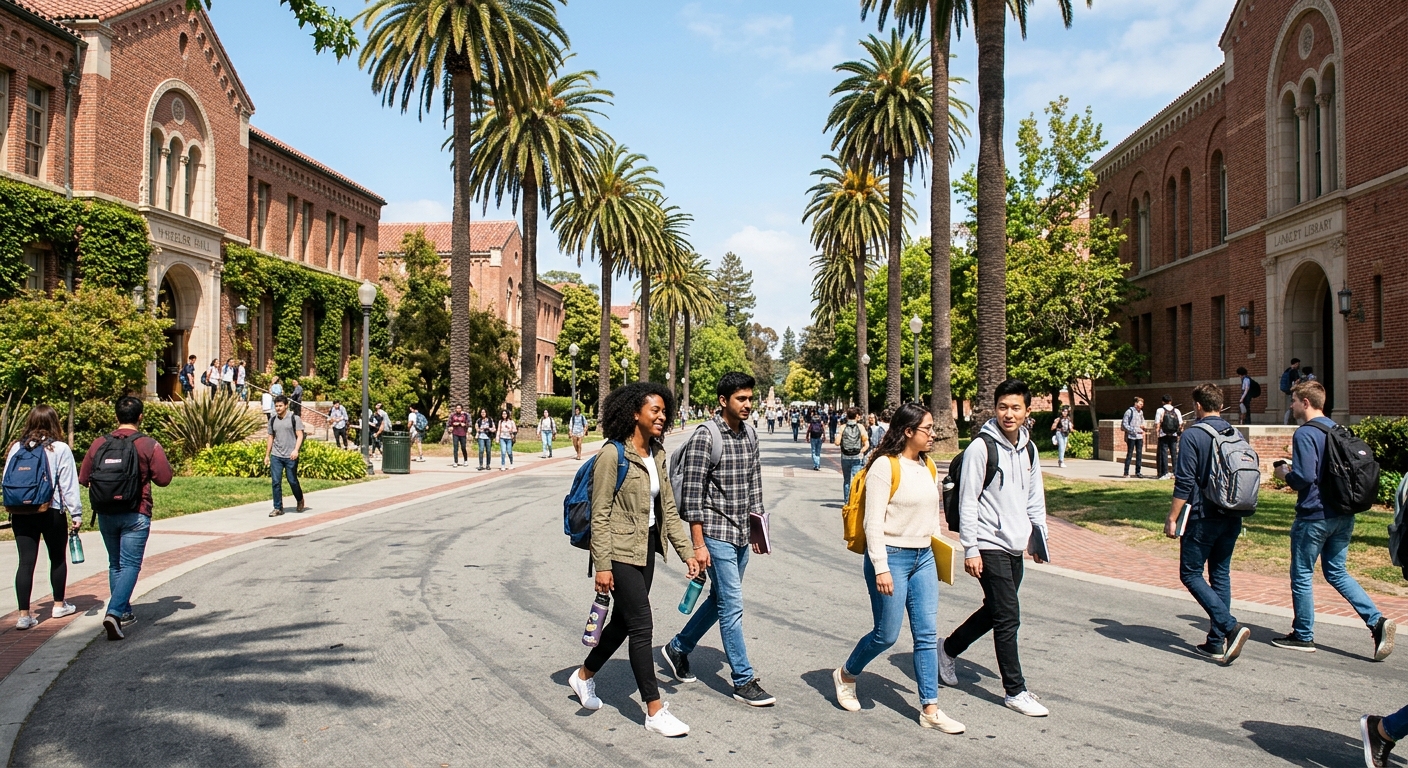
From UCLA and UC Berkeley to Cal State campuses and private universities, borrowers statewide are contending with policy updates that are reshaping debt management strategies. With California’s high cost of living and education expenses already above the national average, these shifts are having immediate and far-reaching effects.
Here’s what student loan borrowers in California need to know about the top five changes taking effect this year.
1. Interest Resumes After a Five-Year Pause
In August 2025, federal student loans began accruing interest again for the first time since the COVID-19 emergency pause initiated in 2020. For borrowers across California—especially those who had enrolled in the now-defunct SAVE plan—the end of this relief has come with sharp financial consequences.
Interest rates are back to pre-pandemic levels, ranging from 4% to 7.5%, depending on the loan type. With many Californians carrying debt loads exceeding $40,000—well above the national average—the return of interest means hundreds in added monthly charges for some.
The restart isn’t retroactive, but its effect is being felt most acutely in high-rent urban centers like Los Angeles, San Francisco, and San Diego, where borrowers are already stretched thin. Financial counselors report growing demand for budgeting assistance and income-based plan recalculations as monthly loan obligations increase.
2. Fewer Repayment Options Available
Borrowers in California once had access to several federal repayment programs like PAYE, SAVE, and REPAYE. In 2025, those options have been consolidated into just two: a traditional 10-year Standard Repayment Plan and a new income-adjusted Repayment Assistance Plan (RAP).
RAP calculates payments based on income but may stretch repayment up to 30 years. While this streamlining aims to reduce confusion, many California borrowers—especially gig workers, freelancers, and public service employees—are finding the shift difficult to navigate. Some are frustrated that RAP doesn’t offer the same level of forgiveness or payment relief as older plans.
The rollout is being phased in. New borrowers will be automatically placed into RAP starting in 2026, while existing borrowers in legacy plans will be transitioned by 2028. California’s network of student advocacy nonprofits and campus financial aid offices are ramping up outreach to ensure borrowers understand the changes.
3. Default Collections Are Back in Effect
After years of pandemic-related forbearance, federal student loan collections on defaulted loans have resumed. In California—where more than a million borrowers were in delinquency or default before the pause—this development is prompting wage garnishments, tax refund seizures, and renewed debt collection activity.
Many borrowers have reported receiving collection notices without warning, prompting legal aid clinics and credit counseling services across the state to see a spike in assistance requests. Borrowers in underserved communities—particularly in Central Valley and Inland Empire—are especially at risk of falling through the cracks.
State agencies and consumer advocacy groups are urging those in default to pursue loan rehabilitation or switch to RAP, which can offer a path out of default and back into good standing.
4. Forgiveness Criteria Become More Restrictive
Forgiveness options in 2025 are still available—but harder to reach. The Public Service Loan Forgiveness (PSLF) program remains active, but only borrowers enrolled in RAP can now accrue qualifying payments. Californians working in public schools, health care, or nonprofits must switch to RAP to maintain PSLF eligibility.
Additionally, the end of SAVE and PAYE means that shorter forgiveness windows are no longer an option for new borrowers. Many will now need to make payments for 25 to 30 years before becoming eligible for forgiveness.
This shift is already complicating planning for borrowers in major service sectors throughout California, including teachers in LAUSD, state workers in Sacramento, and nurses across the Bay Area. As of July 2025, tens of thousands of Californians were still awaiting forgiveness decisions under the previous plans—adding to the confusion and backlog.
5. Federal Loan Caps Hit High-Cost Degrees
For the first time ever, federal borrowing is capped. Parent PLUS loans for undergraduates are now limited to $65,000, while graduate students can borrow up to $100,000—or $200,000 for approved high-cost fields like law and medicine.
In California, where the price tag for degrees at institutions like Stanford, USC, and UC system schools often exceeds federal limits, this is already creating gaps in financial aid coverage. Students and families are increasingly turning to private lenders or rethinking school choices altogether.
Financial aid offices at UC campuses have begun issuing advisories on the new caps, urging prospective students to explore alternative funding sources. Meanwhile, some families are pressing universities to justify rising tuition rates in light of the new federal ceilings.
California borrowers are navigating one of the most dramatic resets in federal student loan policy in recent memory. With interest back in play, repayment options narrowed, and forgiveness timelines extended, the landscape in 2025 is markedly different.
While the federal government argues that the reforms create clarity and reduce long-term risk, critics point out the potential burdens placed on low- and middle-income Californians already struggling with housing costs and inflation.
The months ahead will be critical as borrowers, advocates, and educational institutions work to adapt. Whether these reforms ultimately ease the student debt crisis—or add new layers to it—remains to be seen. What is clear, however, is that 2025 marks a defining moment for how Californians approach student debt and higher education financing.