- calendar_today June 26, 2026
The Los Angeles City Council has approved a sweeping $544.3 million spending plan funded by the mansion tax, in a pivotal move for California’s ongoing efforts to tackle its housing crisis. The new allocation, drawing from proceeds of Measure ULA, demonstrates Los Angeles’s commitment to investing in affordable housing and homelessness prevention across the state’s largest urban center.
Measure ULA Fuels Regional Housing Investments
Known popularly as the mansion tax, Measure ULA imposes a property transfer tax on real estate sales above $5.3 million. Approved by voters in 2022 and enacted in 2023, the legislation charges a 4% levy on transactions exceeding $5.3 million and jumps to 5.5% for properties trading over $10.6 million. The measure was designed to generate significant tax revenue for local housing initiatives and offer sustainable solutions to the regional affordable housing shortage.
Record-Breaking Allocation Prioritizes Affordable Housing
This year’s $544.3 million plan marks a 28% increase from last year’s budget. Of the total, $381 million is earmarked for affordable housing, expanding the city’s portfolio of attainable living options for low- and moderate-income Angelenos. The remainder—$163.3 million—will be directed to homelessness prevention, supporting community organizations, rental assistance, and programs designed to keep vulnerable residents housed.
Tax Revenue and Legislative Challenges
Since its inception, the mansion tax has raised over $1.24 billion in Los Angeles, though this figure falls short of the initial projection of $1 billion per year. The discrepancy, attributed to a decline in high-value property sales, has fueled criticism from some developers and property stakeholders. Opponents argue that the property transfer tax discourages real estate transactions and may stifle development in competitive markets like California. Still, city officials underscore that the tax revenue has been instrumental in supporting housing initiatives vital to the region.
Preserving Measure ULA Amid Legal Disputes
Measure ULA recently faced a significant legislative threat when a voter initiative sought to repeal the mansion tax outright. However, a compromise was reached that preserves the tax, while raising the voting requirement for the implementation of future special taxes in California. This outcome ensures continued funding for programs central to housing stability, while also introducing new hurdles for similar legislation in the future.
Impact on Local Housing and Homelessness Prevention
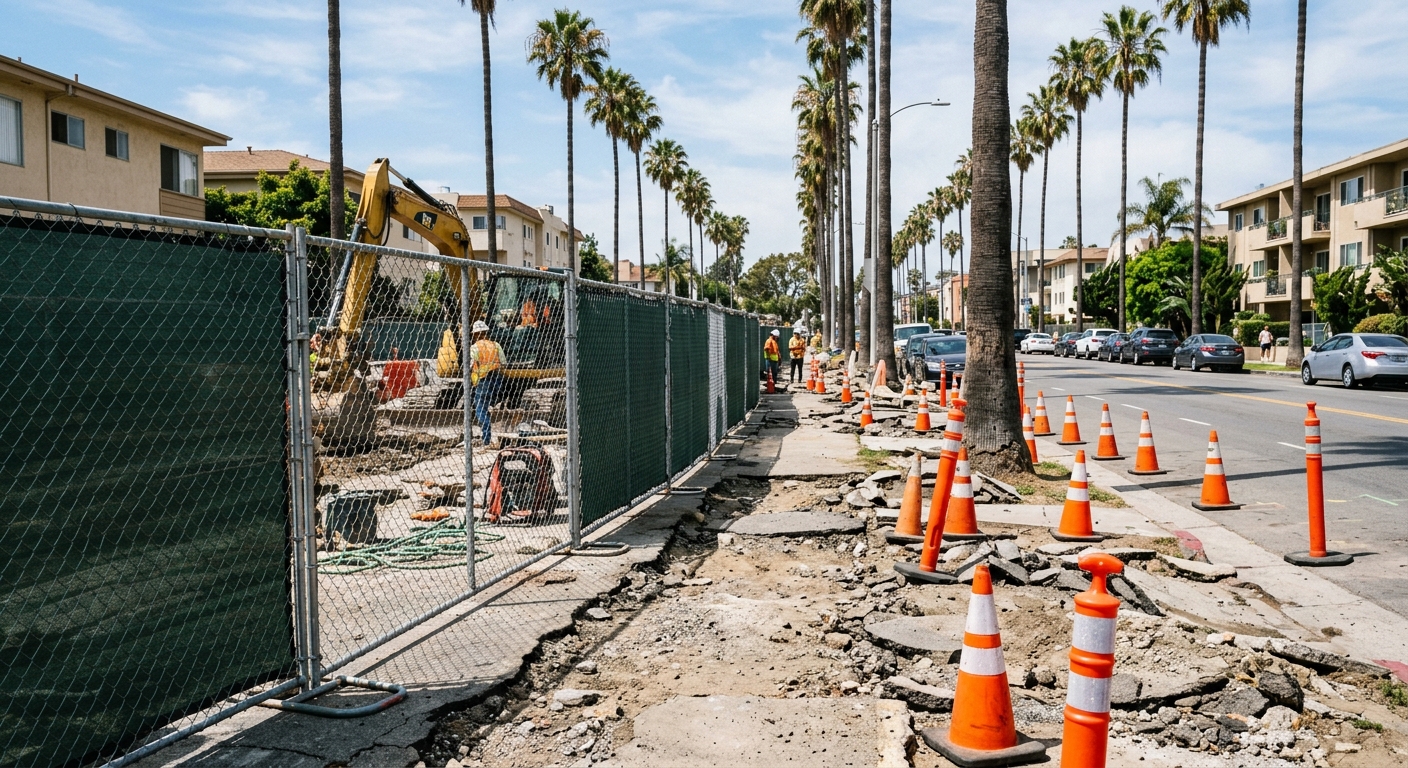
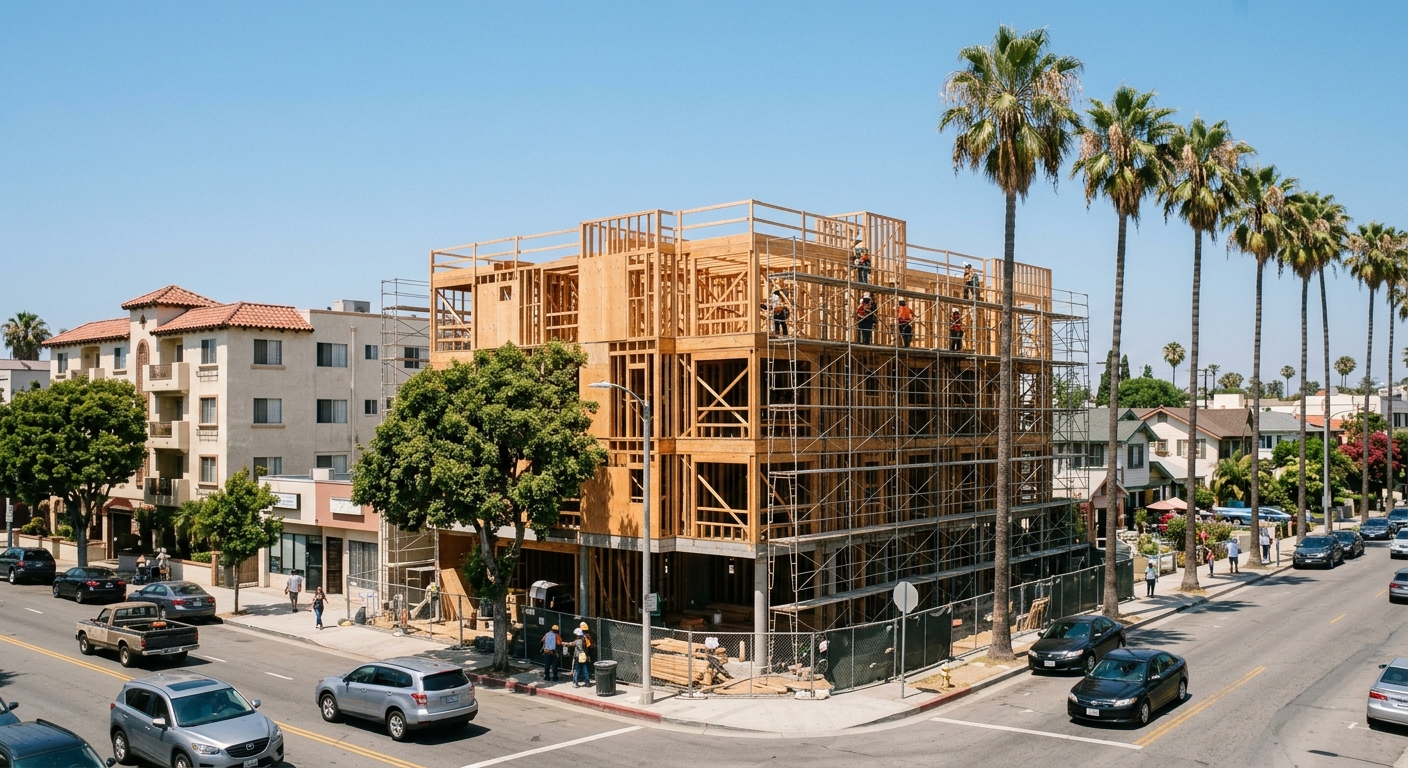
Funds from the mansion tax are being deployed across several fronts. Key programs include the construction and preservation of affordable housing units, homeownership loan assistance, eviction defense, rental assistance, and direct income support for at-risk residents. City leaders highlight these ongoing investments as a critical response to the state’s housing crisis, especially as the need for effective housing solutions intensifies across California.
Looking Ahead: Mayoral Approval and Community Response
The 2024 spending plan awaits final approval from Mayor Karen Bass, whose administration has made housing affordability and homelessness prevention top priorities. Community advocates, including affordable housing organizations, emphasize that continued public funding is essential to confronting rising housing costs and preventing displacement in Los Angeles. As California and its largest city seek to balance growth with equity, officials and stakeholders remain divided over the long-term effectiveness of real estate tax strategies like the mansion tax. Yet, supporters insist that this year’s budget will play a pivotal role in supporting thousands of Angelenos facing housing insecurity.
California’s Role in Shaping Housing Policy
The decision by Los Angeles policymakers resonates far beyond city borders, providing a potential blueprint for other California communities grappling with similar challenges. While the future of tax legislation in the state remains uncertain, the latest developments underscore a growing commitment to funding housing and homelessness solutions through targeted tax measures. For now, the mansion tax continues to shape the landscape of affordable housing and homelessness prevention initiatives across California.