- calendar_today August 8, 2025
In 2025, the real estate markets in North and South Carolina are undergoing meaningful transformations. As population growth, employment shifts, and housing affordability intersect, the region’s cities and suburbs are adapting quickly. From Charlotte to Charleston, and Raleigh to Greenville, buyers and renters are navigating a competitive yet increasingly varied housing environment.
The Carolinas have experienced robust economic expansion over the past decade, with tech, healthcare, and manufacturing industries fueling job creation. North Carolina’s Research Triangle and South Carolina’s expanding logistics and aerospace sectors continue to attract both businesses and new residents. This influx has placed consistent pressure on housing supply, especially in metropolitan areas where demand often outpaces construction.
Charlotte and Raleigh are among the fastest-growing metros in the Southeast. In South Carolina, Charleston remains a top destination due to its blend of historical charm and economic opportunity. This growth has led to rising home values and increased demand for suburban and exurban living, especially among remote workers and retirees seeking better cost-of-living options.
Affordability: A Rising Concern Across the Region
While both states offer more affordable housing than many parts of the U.S., rising mortgage rates and tight inventory are squeezing budgets. First-time homebuyers are especially vulnerable, as entry-level homes are increasingly scarce in high-demand counties such as Wake (NC) and Berkeley (SC).
In North Carolina, the median home price in 2024 climbed over $325,000, with major urban centers seeing even steeper hikes. In South Carolina, areas like Greenville and Columbia are also witnessing price increases that outpace wage growth. Many residents are turning to townhouse communities, duplexes, and smaller single-family homes as more feasible alternatives.
Rental markets are also tightening. Average rents in cities like Raleigh and Charleston have grown by more than 6% year-over-year, driven by new arrivals and limited rental stock. Developers are attempting to catch up, but zoning challenges and rising construction costs are slowing progress.
Construction and Development Trends
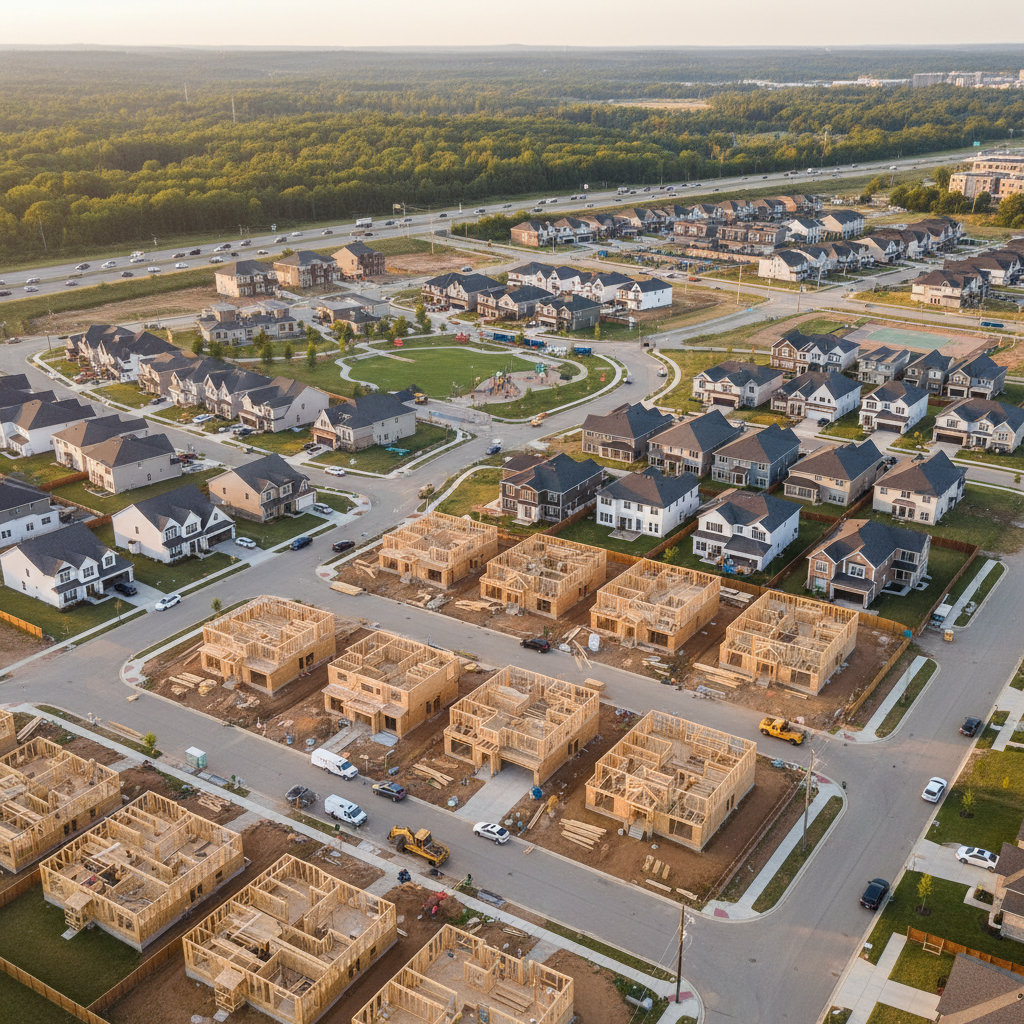
Residential construction in both states remains active, though builders are shifting strategies to keep pace with affordability demands. Infill development, build-to-rent communities, and multi-family housing projects are becoming more common. Particularly in North Carolina, local governments are encouraging higher-density zoning to alleviate housing shortages in urban cores.
South Carolina has seen a rise in master-planned communities in its coastal and upstate regions. These developments often include mixed-use amenities and green space, appealing to both young professionals and aging populations.
Yet supply chain issues and labor shortages remain persistent challenges for developers, delaying completion timelines and pushing up prices across the board. Affordable housing initiatives are being introduced at the city level, but their effectiveness remains inconsistent from one municipality to another.
Mortgage Rates and Buyer Strategy in 2025
With mortgage rates hovering in the 6–7% range in early 2025, many potential buyers are recalibrating their expectations. Adjustable-rate mortgages and seller concessions are making a comeback, especially in neighborhoods where competition has cooled slightly. Cash offers still dominate in prime areas, particularly near research parks, universities, and coastal regions.
Real estate agents across the Carolinas report that more buyers are seeking move-in-ready homes to avoid renovation costs, while others are willing to compromise on size or commute distance to stay within budget. The rise of hybrid work has added flexibility to location choices, spurring interest in towns previously overlooked by major investors.
Outlook: A Region Still on the Rise
Despite affordability hurdles, the outlook for North and South Carolina real estate remains optimistic. Strong job markets, a favorable climate, and population growth suggest continued momentum, though at a more moderated pace compared to the explosive growth of the past few years.
Stakeholders across the region are focusing on building resilience into the market: diversifying housing stock, streamlining permitting, and preserving affordability for both buyers and renters. If executed effectively, these strategies could sustain balanced growth well beyond 2025.