- calendar_today August 12, 2025
California consumers and businesses are preparing for the economic shifts resulting from Trump’s new trade policy reconfiguring market dynamics.
California’s economy is closely monitoring the developing impacts of Trump’s new trade policies, which have brought uncertainty and opportunity to major industries. As a leading center for international trade, these policy shifts can potentially affect businesses, jobs, and consumer prices. From Silicon Valley to the agricultural sector, many are bracing for an era of economic adjustment as new tariffs and trade deals are negotiated.
Impact on California’s Major Industries
Technology is perhaps the most important sector to be hit by Trump’s trade policies. As the location of Silicon Valley, California is greatly dependent on international supply chains for the production of electronic parts. Tariffs imposed on Chinese imports have made raw materials more expensive for tech firms, threatening to raise the cost of production and affecting jobs. The tariffs have been criticized by industry leaders who say that they will slow down innovation and stunt the development of startups as well as big firms.
The agricultural industry is also being disrupted. California is among the biggest agricultural producers in the United States, with fruits, nuts, and dairy exports reaching global markets. Higher tariffs on Chinese and other countries’ American agricultural products are making it more costly for farmers to export their products overseas. This has resulted in a decrease in profit margins, with some farmers experiencing lower yields due to reduced demand.
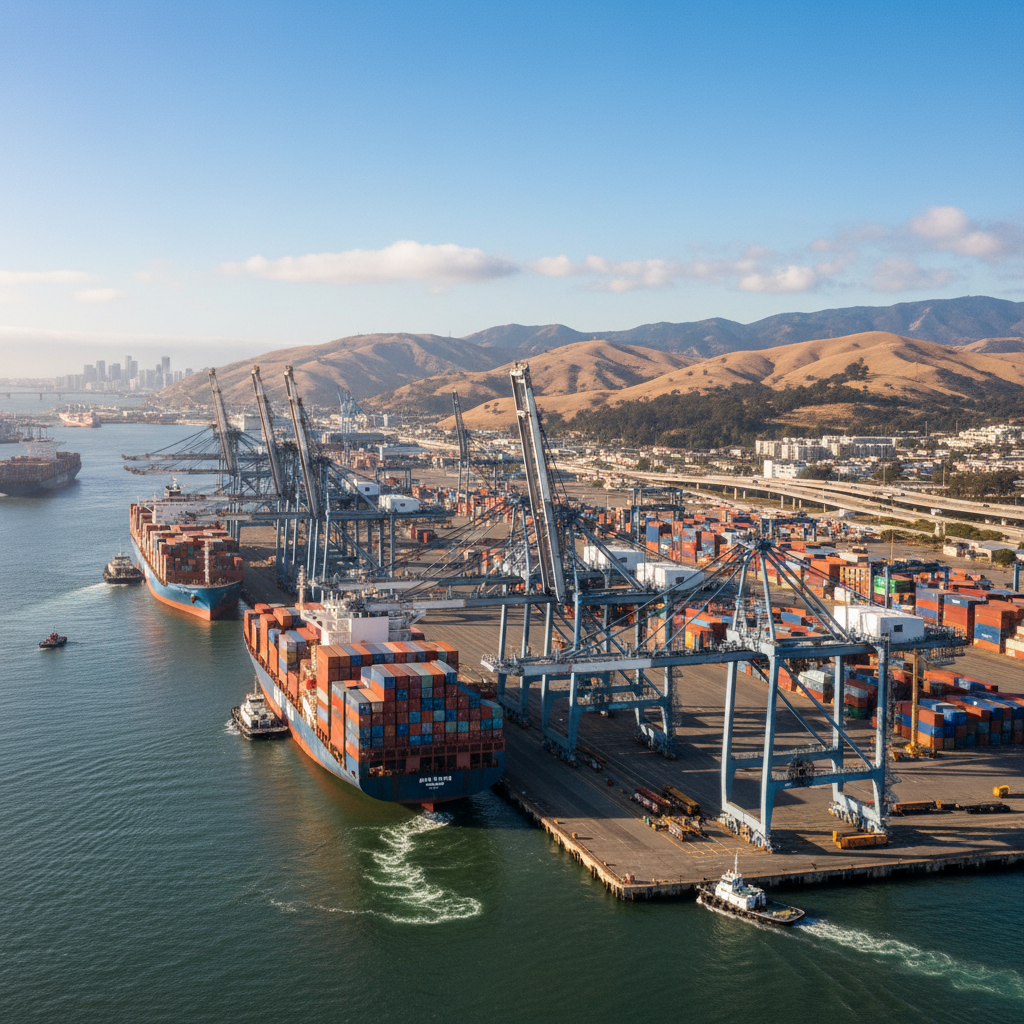
In Los Angeles and San Francisco, two of the state’s busiest international trade ports, shipping firms and logistics companies are reconfiguring their operations to cope with rising costs. Numerous importers are paying more for consumer products, which might drive inflation and affect California’s retail market.
Consumer Reaction and Market Volatility
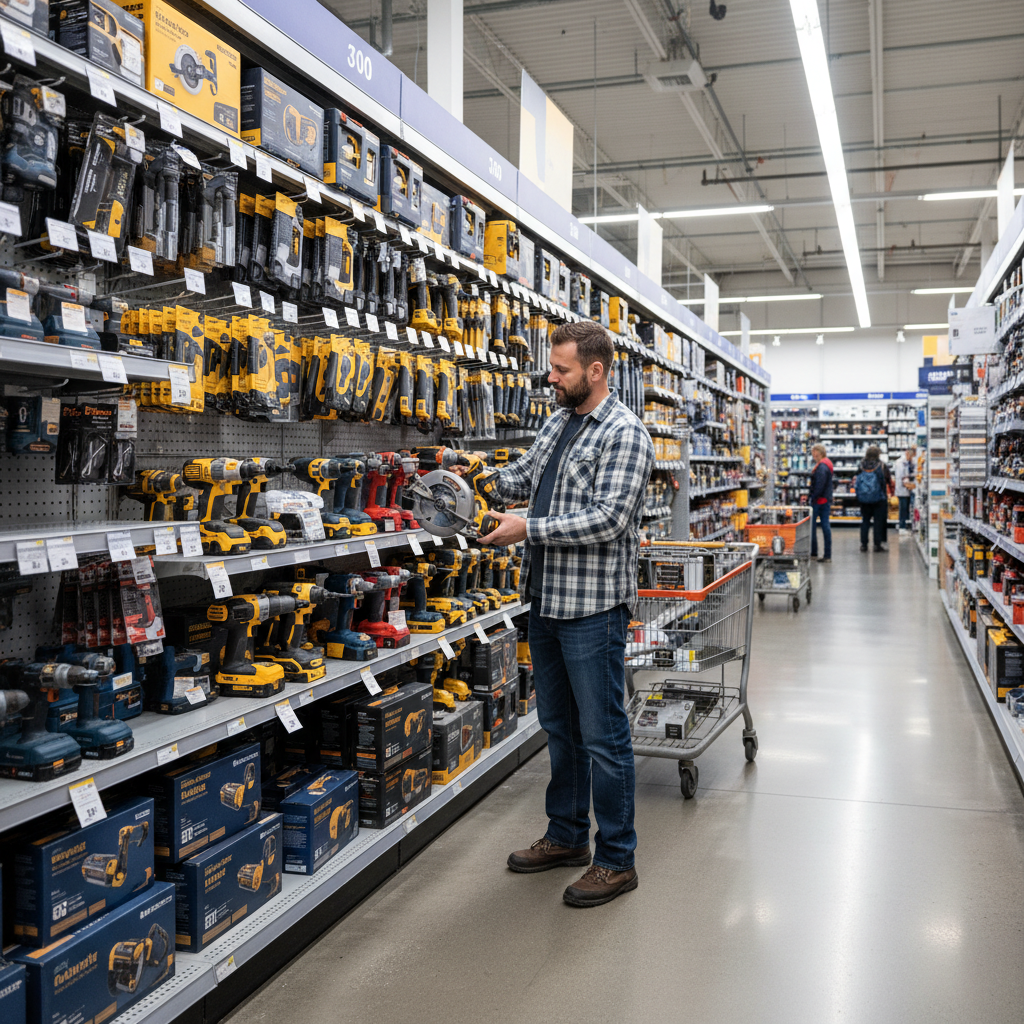
California’s consumers also feel the pinch from the trade policies. Higher tariff rates for imports translate to increasingly higher costs of everyday commodities ranging from electronics to apparel. To many households, these higher costs may reduce purchasing power and consumer confidence.
In the residential real estate sector, increased construction material costs for materials imported from abroad are adding to home prices. This is especially troubling in areas already experiencing an affordable housing shortage, like San Francisco and Los Angeles. Construction companies are having a hard time absorbing the added costs, which are causing development delays and fewer new housing developments.
Business Adaptation Strategies
While these are troublesome issues, numerous California companies are finding ways to adjust. Some tech companies are identifying other supply chains in non-tariff-struck nations, while produce growers are looking to new markets to recoup losses in China.
Retailers are doing their part too by changing pricing models and cutting costs of operation in order to stay competitive. Where production is possible locally, businesses are investing in the manufacture of products domestically to circumvent foreign tariffs.
Small businesses are, however, experiencing more challenges. While large corporations with international presence have the resources to manage quickly evolving trade policies, small businesses do not. Local chambers of commerce are providing advice to enable these companies to remain knowledgeable and responsive.
State and local government officials are watching closely the economic effect of Trump’s trade policies. Policymakers in Sacramento are collaborating with industry executives to stem economic disruption and shield California’s workforce. State legislators are also urging federal relief programs to aid industries hit hardest by the tariffs.
Furthermore, the government of California is growing programs to facilitate small businesses to access global trade resources and expand their export markets. By creating partnerships with other economies, the state seeks to reduce its reliance on trade with nations applying retaliatory tariffs.
Future Outlook for California
As Trump’s trade policies continue to shift, California’s economic future is uncertain. Experts say that continued tariffs could result in long-term shifts in the state’s trade patterns and production practices. But California’s diversified economy and cutting-edge industries might be able to adapt and flourish in spite of these obstacles.
For the time being, companies, consumers, and policymakers throughout the state will keep a close eye on developments. The capacity to react fast and innovate will be key in dealing with the intricacies of the evolving global trade environment.