- calendar_today August 14, 2025
California’s real estate market in 2025 is a study in contrasts—rising insurance costs and affordability concerns coexist with resilient demand and sector-specific growth. While interest rates have stabilized, caution remains among developers and investors navigating complex local regulations and shifting demographics. The focus across the state—from the Bay Area to the Inland Empire—is turning toward durable cash flow, smart location selection, and sectoral diversification.
So, what’s trending in California real estate? From Los Angeles to Fresno and up to the Bay Area and Sacramento, seven property sectors stand out in a year where precision matters more than ever.
Multifamily Housing: The Reliable Performer
Despite rent control debates and housing policy shifts, multifamily housing remains a backbone of California’s urban landscape. In 2025, demand is still strong for Class B and C apartments, especially in cities like Sacramento, Riverside, and Bakersfield—where affordability is relatively better than in coastal metros.
The state’s high cost of ownership continues to keep many residents in the rental market. In cities like San Diego and Oakland, vacancy rates are hovering near 4–5%, with mid-rise developments in suburban nodes and transit corridors gaining popularity. For investors, professionally managed multifamily assets—with modest upgrades—still offer reliable 3% rent growth, even under regulatory pressure.
Industrial Properties: Still a Growth Engine
California’s industrial market remains one of the most competitive and dynamic in the U.S. From logistics mega-hubs in the Inland Empire to cold storage facilities in Central California and warehouse complexes in the Bay Area, demand continues to outstrip supply.
JLL’s Q2 2025 West Coast report highlights annual rent growth exceeding 7% in core logistics submarkets, with vacancy rates under 3.5%. E-commerce, port activity in Long Beach and Oakland, and growth in AI-driven logistics are fueling investor appetite. Institutional capital continues to flow into Class A industrial assets, especially those supporting last-mile delivery in dense urban areas.
Single-Family Rentals in Suburban Markets
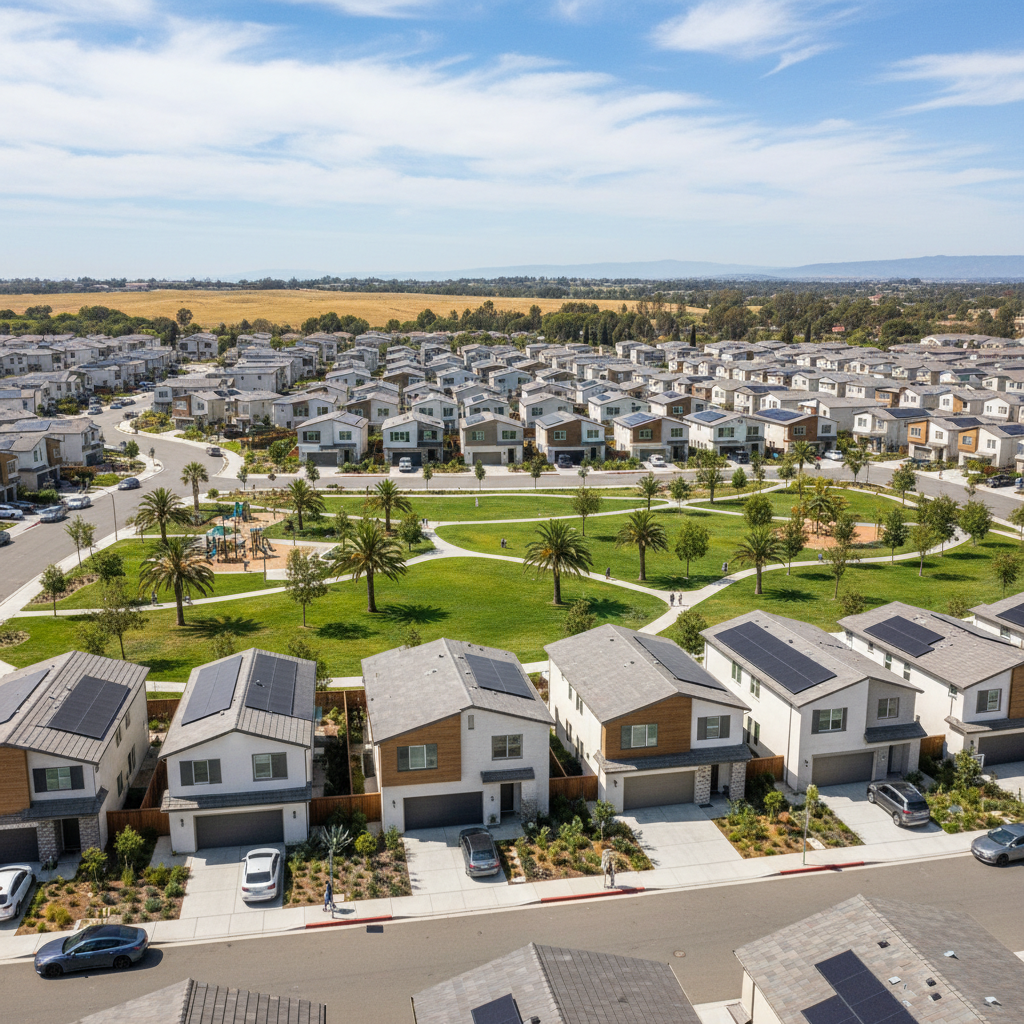
High home prices and mortgage costs are keeping ownership out of reach for many Californians, pushing demand for single-family rentals (SFRs). In places like Modesto, Chula Vista, and Temecula, families are seeking space and flexibility—without the burden of a down payment.
According to Roofstock’s 2025 Investor Sentiment Index, California SFRs remain a hot asset class, especially in commuter-friendly communities just outside major job centers. These rentals offer low vacancy, consistent tenants, and long-term income growth—particularly in school districts and suburban regions seeing inbound migration from pricier urban cores.
Coastal vs. Inland Migration: A Shift in the Map
California’s internal migration patterns are transforming investment strategies. As more residents relocate from expensive coastal cities like San Francisco and Santa Monica to inland areas like Fresno, Bakersfield, and Roseville, investors are following the population and job flows.
The Inland Empire, Sacramento Valley, and Central Valley are attracting logistics companies, manufacturing firms, and remote workers. These regions offer lower land costs and access to growing labor pools. Meanwhile, parts of coastal California continue to see demand for luxury rentals, especially in lifestyle hubs like Santa Barbara and San Luis Obispo.
Mixed-Use Developments & Urban Infill
Despite past hurdles, California’s urban infill developments and mixed-use projects are regaining momentum in 2025. Cities like San Jose, Long Beach, and Sacramento are embracing zoning reforms that allow for greater density, especially near public transit.
Mixed-use projects that combine apartments with coworking spaces, retail, and lifestyle amenities are drawing tenants who prioritize walkability and convenience. While upfront costs remain high, the long-term value of well-located infill properties is clear—especially as California cities push for sustainable, car-lite living options.
Niche Assets on the Rise: Senior & Student Housing
With California’s aging population, demand for senior living is surging—especially in the Central Coast and Inland regions. Occupancy rates in independent and assisted living facilities have rebounded to over 85%, driven by a growing 65+ population and renewed interest in care-oriented housing.
Student housing is also performing well, particularly in college towns like Davis, Irvine, and San Luis Obispo. Universities are fully operational, and pre-lease rates are approaching 90% across many campuses. Students are seeking high-tech, furnished units with amenities that support academic and social life, making this niche increasingly competitive.
Risk Factors and Investment Cautions
California presents a unique set of investment risks. Wildfire zones, seismic activity, and coastal flooding continue to push up insurance premiums and limit new development in certain areas. Investors must account for climate risk, especially in high-hazard regions.
Regulatory complexity is another challenge. Rent control ordinances, density restrictions, and lengthy approval timelines—particularly in cities like San Francisco and Los Angeles—can significantly impact project feasibility and ROI. A deep understanding of local laws and policy trends is critical for navigating this environment.
While financing conditions have improved compared to 2023–2024, borrowing remains expensive. Capital-intensive developments may require longer timelines and more conservative underwriting to achieve target returns.
Expert Insight: What the Analysts Say
“California still offers some of the best long-term real estate opportunities, but it requires deep local expertise,” says Lauren Bellingham, a senior economist at CBRE. “Whether it’s industrial in the Inland Empire or multifamily in Sacramento, successful investors are those who understand submarket trends and regulatory frameworks.”
Redfin’s 2025 Housing Trends report adds that population movement, infrastructure spending, and tech-sector job growth are shaping California’s most attractive investment zones. In a state as diverse as California, micro-market knowledge often determines success.
Strategic Diversification is Key in 2025
In California’s 2025 real estate market, diversification is more than a strategy—it’s a necessity. Investors are spreading risk across sectors and geographies, balancing stable income from suburban SFRs with growth potential in industrial and student housing.
Multifamily properties remain resilient, especially in areas less burdened by regulation. Industrial continues to dominate in transit-rich inland hubs. Single-family rentals are meeting strong tenant demand, while mixed-use developments and niche housing types are benefiting from demographic and policy-driven tailwinds.
For those who adapt with precision and invest with regional insight, California continues to offer meaningful long-term opportunities in a market that rewards knowledge, patience, and strategy.