- calendar_today August 12, 2025
California’s real estate market in 2025 is navigating a changing landscape. While affordability pressures persist, a new force is shaping the way homes are bought, sold, and financed across the state: artificial intelligence.
From the tech hubs of the Bay Area to suburban developments in the Inland Empire, AI is no longer just a behind-the-scenes tool—it’s transforming every phase of the real estate journey. As the Golden State adopts smart platforms that automate property valuations, streamline mortgages, and personalize listings, buyers and agents are gaining sharper insights and faster results.
1. Predictive Pricing Gains Ground Across Markets
In regions like Los Angeles, San Diego, and San Jose, real-time pricing tools are helping buyers and sellers stay ahead of volatile trends. AI algorithms draw from vast datasets—recent comps, inventory levels, economic indicators, and buyer behavior—to generate hyper-local property valuations.
Instead of relying solely on agent opinion, sellers can now view AI-generated price bands that adapt daily. In competitive areas like Silicon Valley, this helps avoid underpricing during bidding wars. Meanwhile, buyers in slower markets like Fresno or Stockton are using these tools to identify overvalued listings or price drops ahead of others.
2. Smarter Search in a Diverse Housing Ecosystem
California’s housing inventory spans beachfront condos, hillside estates, and multi-unit rentals. AI helps users filter more than just beds and baths—it learns preferences and suggests listings based on commuting routes, neighborhood vibes, school performance, and energy ratings.
For example, a remote tech worker in Santa Cruz searching for walkable neighborhoods might get listings tailored to their lifestyle and work-from-home needs. In contrast, a family looking in Orange County could see homes matched by school quality, local air quality indexes, and recreation proximity.
3. Virtual Staging and AI Descriptions Improve Listings
More than 65% of listings across California’s urban centers now use AI-generated descriptions and virtual staging. Realtors in high-demand markets like Pasadena and Marin County are saving time by using generative AI tools to tailor listing language to specific buyer personas—whether that’s luxury-minded executives or sustainability-focused millennials.
AI staging apps let sellers present multiple interior styles—from minimalist to boho chic—giving buyers in markets like Palm Springs or Oakland the ability to visualize a property without expensive physical staging.
4. Instant Mortgage Approvals Through AI Lenders
The biggest shift in 2025’s real estate ecosystem may be on the financing side. Digital-first mortgage lenders like Better, Rocket, and local credit unions are deploying AI to underwrite loans in minutes, not days.
Buyers in fast-moving markets such as Santa Clara or West Hollywood benefit from real-time approvals based on detailed financial analysis that goes beyond credit scores. AI evaluates bank activity, freelance income, spending behavior, and even financial resilience under rising rates.
This is especially beneficial for gig workers and entrepreneurs, who have long faced delays due to traditional underwriting limitations.
5. Investment Analysis Supercharged by Machine Learning
In 2025, California’s real estate investors are leveraging AI to assess risk and opportunity across dozens of micro-markets. A single algorithm can forecast rental yields in Sacramento, home appreciation in Riverside, and tenant churn rates in Bakersfield—based on trends like job growth, housing starts, and even social sentiment from local news or Reddit threads.
This AI-assisted due diligence is helping investors discover emerging pockets of affordability in places like the High Desert or the Central Valley—areas often overlooked by traditional buyers.
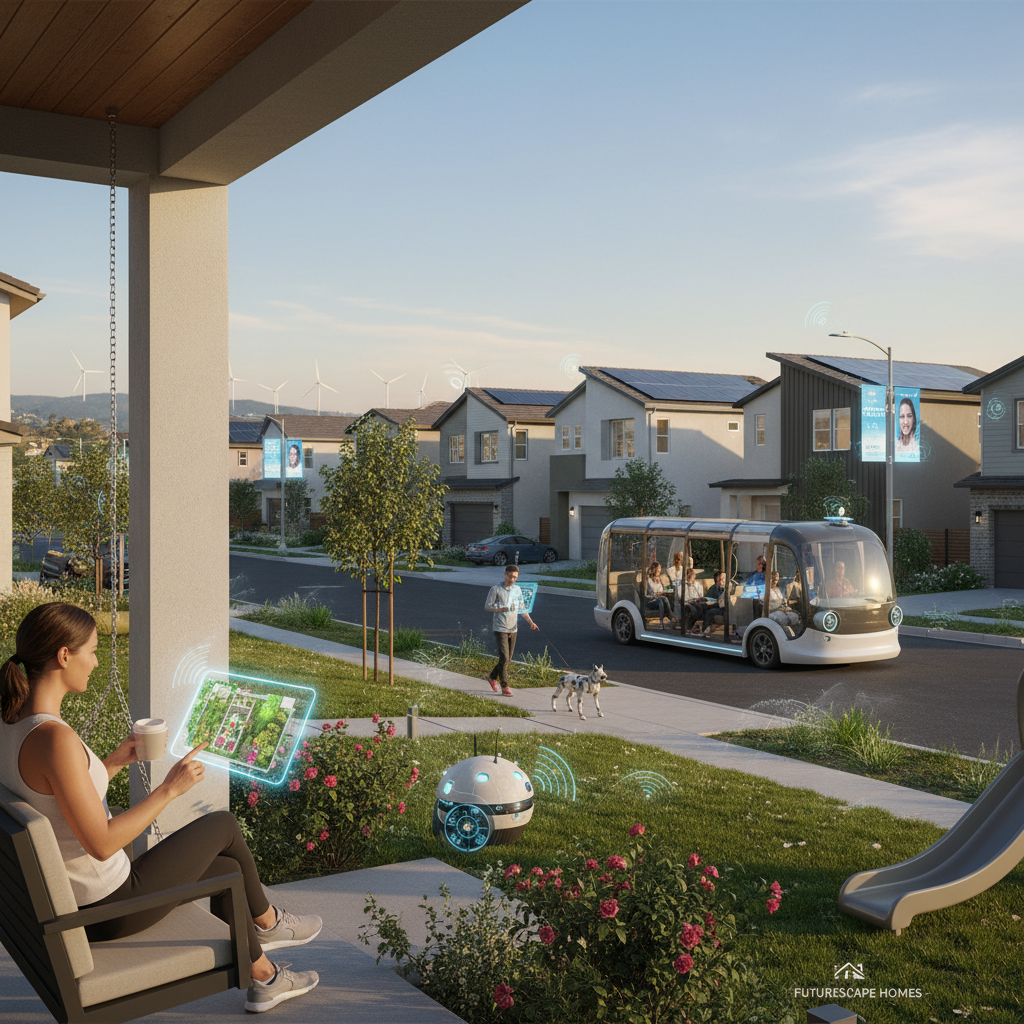
6. AI in Smart Homes: A Growing Value Driver
Many newly constructed homes in California suburbs like Folsom, Irvine, and Temecula now include smart home systems powered by AI. These tools adjust HVAC use based on weather predictions, optimize lighting for energy savings, and predict appliance maintenance needs.
Listings equipped with smart tech are commanding 4–8% price premiums in 2025, especially among younger and environmentally conscious buyers. AI-generated energy reports are also being used by agents to highlight long-term utility savings during open houses and virtual tours.
7. Transparency and Equity: AI Raises Questions
Despite its efficiency, AI use in California real estate has raised flags about bias and fairness. Algorithms trained on historical data may inadvertently reinforce redlining patterns or undervalue homes in underserved communities like South LA or East Oakland.
To address this, California lawmakers and real estate boards are developing AI audit standards and pushing for algorithmic transparency. New disclosure rules may soon require agents and lenders to explain how AI models influenced pricing or lending decisions.
8. Regulatory and Industry Training Trends
The California Department of Real Estate has launched continuing education modules focused on AI literacy, requiring agents to understand the limitations of algorithmic tools and avoid over-reliance on automation.
In fast-developing metros like Sacramento and Long Beach, brokerages are retraining agents to use AI not as a replacement—but as a decision support system that boosts client outcomes and reduces human error.
California Sets the AI Standard in Real Estate
In a state that thrives on innovation, California is leading the charge in AI-powered real estate. As affordability challenges persist and competition intensifies, AI is making housing decisions faster, smarter, and more personalized. Whether navigating the luxury tiers of Malibu or exploring suburban options in the Central Valley, Californians in 2025 are harnessing artificial intelligence not just to buy or sell homes—but to do it with confidence, precision, and a clearer vision of what comes next.