- calendar_today August 13, 2025
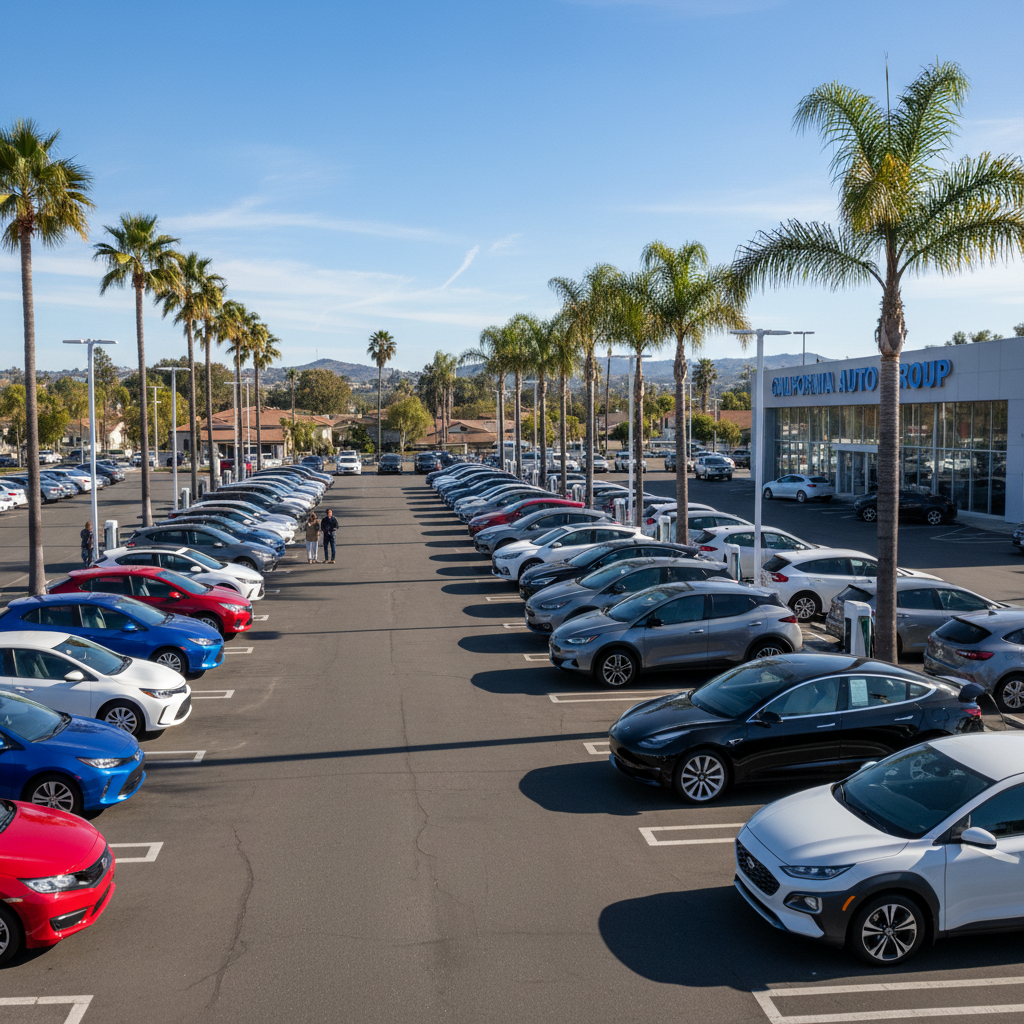
California Auto Sector Prepares for Maruti Suzuki Price Hike in April 2025
Introduction
India’s top car manufacturer, Maruti Suzuki, has announced an increment in the prices of all models by extending it to 4% effective April 2025. This is arising out of an increase in raw material costs, further augmented by rising costs in manufacturing and adjustments pertaining to global supply chains. While Maruti Suzuki is not directly exporting its cars to the United States, the price change shall be reflected as a trend in the global market condition. In California-the largest car market across the United States-this would be closely monitored by customers and analysts, as it had the potential to impact pricing patterns and supply chains, besides the general cost of cars.
Why actually increases prices:
Maruti Suzuki has several arguments as to why they increased rates:
- Increased Raw Material Costs. Prices for the raw materials-steel, aluminum, lithium (for batteries)-have become costlier and have contributed towards raised costs of production of automobiles.
- Increased Labor and Manufacturing Costs. The global economic scenario has witnessed an upsurge in expense on operations and labor which has increased payload of manufacturers.
- Supply Chain Disruptions. Supply chains remain their slowest, especially in semiconductor availability, affecting production schedules and expenses.
- Regulatory Compliance Cost-it is stricter pollution laws and security acts that force the auto-makers to spend more on technical improvements, thus a rise in cost.
How Might This Affect California’s Vehicle Industry?
Though Maruti Suzuki does not sell cars directly in the US, its price direction can affect the overall automobile industry of California in the following way:
1. Anticipated Price Hike in Economy Vehicles
Automakers can also do this by pricing their cars based on the added expense of producing them. Californians looking for frugal cars might end up paying more in 2025.
2. Import and Supply Chain Costs
Most components utilized in California automotive manufacturing and car repair are supplied by foreign businesses, of which India is one. Higher foreign production expenses imply higher importation costs.
3. Greater Demand for Used Automobiles
With continuing high new automobile prices, California’s used automobile market would possibly witness enhanced demand, hence the price of used vehicles would go up.
4. Acceleration of EV Market Growth
California, the leader in the adoption of electric vehicles (EVs), can also anticipate an even more accelerated transition to EVs as consumers balance the long-term cost savings of electric vehicles with rising costs of conventional gasoline-powered cars.
What Should California Car Buyers Do?
For California consumers who are planning to purchase a vehicle in 2025, the Maruti Suzuki price hike is a canary in the coalmine for future industry-wide price hikes. Some actions consumers can take are:
- Buy Before Prices Rise – If someone has to purchase a vehicle, doing so ahead of potential price hikes by other manufacturers might save money.
- Consider Leasing Options – Leasing would be a money-saving option if vehicle prices keep increasing.
- Be familiar with Used Car Prices – The prices of used cars can dip, and to be aware of the trend would enable buyers to purchase at a lower price.
- Locate Electric Vehicle Incentives – With California urging the adoption of EV, tax credits and incentives make electric vehicles a great buy and value-for-money car.
Headed for Tomorrow: The Broader Auto Industry in 2025
Aside from the Maruti Suzuki rate increase, the global auto industry has some significant shifts to look forward to in 2025:
- EV Adoption Increases – California’s green push and fresh emissions regulations will encourage more and more individuals to adopt electric and hybrid vehicles.
- Technology-Driven Reforms – Car automation technology, AI-powered guidance, and improved safety features will increasingly influence car costs and car buying trends.
- Consumer Trend Changes – Economic uncertainty, increased interest rates, and inflationary concerns may cause some consumers to postpone purchases of new vehicles or turn to alternative modes of transportation.
Conclusion
Although Maruti Suzuki’s April 2025 price hike is primarily targeted at the Indian market, its effects could be felt globally, including in California. As production costs increase and supply chain disruptions persist, California’s auto industry and consumers should prepare for potential price adjustments in the months ahead. By staying informed and considering alternative buying strategies, car buyers can navigate the evolving landscape of the automotive market.