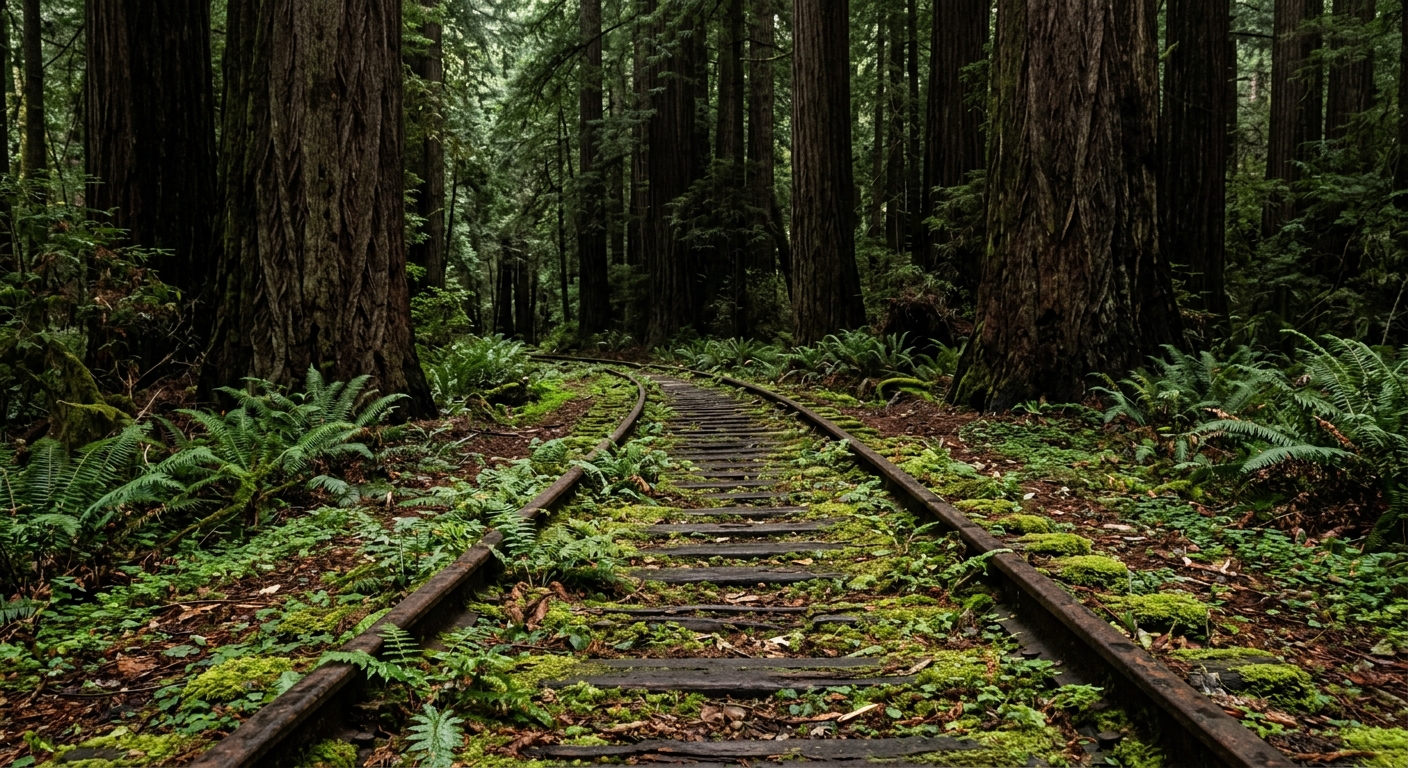
AI-generated illustration; not a photograph of the reported event.
- calendar_today October 19, 2026
Introduction: The Great Redwood Trail Sparks Controversy
The ambitious Great Redwood Trail project in Northern California, a planned 307-mile recreational path, has become the center of debate as Native American communities, environmental advocates, and local officials voice concerns about its impact on tribal lands and historic sites. The trail, set to span from San Francisco Bay to Humboldt Bay, follows the route of a defunct railroad through regions rich with cultural significance and natural beauty.
Native American Concerns: Sacred Sites at Risk
The Wailaki people, whose ancestors navigated the Eel River long before the Gold Rush and subsequent railroad development, are among those expressing distress over the trail's route. Perry Lincoln, a tribal member and advocate for cultural education, says the project threatens historic tribal sites, particularly in the Eel River Canyon. Lincoln and other tribal members have formed the Kinest’e Community Coalition to advocate for alternative routes and greater protection of sacred areas. Many feel the current approach allows tourists to traverse burial sites without proper tribal consent or consultation.
Lack of Comprehensive Tribal Consultation
A critical issue fueling opposition is the exemption of the project from the California Environmental Quality Act (CEQA), which ordinarily mandates tribal consultation to identify and reduce potential harms. Critics argue the process has marginalized Native voices, with some tribal members learning of the project only after planning was underway. According to Lincoln, direct outreach to tribal members has been insufficient, and tribal leaders like his daughter, Tisanche Warren, question the fairness of granting full access to outsiders while tribal access remains restricted.
Supporters See Economic and Environmental Benefits
Despite the controversy, supporters envision the Great Redwood Trail as a transformative project for Northern California. State Senator Mike McGuire, who championed the initiative, says the trail will attract visitors to traverse ancient redwoods, rivers, and vineyards, boosting rural economies. An agency analysis estimates the northern portion could generate about $100 million in annual economic activity. Environmentalists like Alicia Hamann of Friends of the Eel River cautiously support the project, citing its potential to remediate pollution left by the abandoned railroad, such as creosote-soaked ties and lingering debris along the riverbanks.
Mixed Perspectives Among Environmental Groups
Some environmental organizations support the trail as an opportunity to restore the Eel River and surrounding habitats, but also acknowledge the need for stronger tribal partnerships. The Sierra Club’s Redwood Chapter director, Alicia Bales, argues that advisory roles offered to tribes fall short of genuine decision-making authority regarding their homeland.
The Role of State Agencies and Process Challenges
The Great Redwood Trail Agency, formed to manage the northern section of the path, reports efforts to engage tribes via letters, calls, and emails. Executive Director Elaine Hogan emphasizes the goal of involving tribes in planning, construction, and stewardship, though not through consultations legally defined by CEQA. The agency has earmarked $5 million for tribal cultural resource preservation and plans to form a tribal advisory committee. It has also partnered with the Wiyot Tribe for cultural monitoring and reached agreements with other tribes, but concerns persist about the adequacy of these arrangements.
Tensions Around CEQA Exemptions and Outreach
The legislative choice to exempt the trail from CEQA has disappointed some early supporters, including Humboldt County Supervisor Steve Madrone, who stepped down from the trail agency's board over the issue. Madrone points out that this decision reinforced distrust among tribal communities already affected by historic trauma and questions whether promised input from landowners and tribes will become reality. Meanwhile, proponents like McGuire defend the exemption as necessary for timely development, consistent with broader state reforms to expedite parks and housing projects.
Looking Ahead: Seeking a Collaborative Path Forward
As the Great Redwood Trail shifts from concept to construction, both promise and tensions remain. While the project offers potential economic and environmental benefits, Native American groups and allies continue to call for more meaningful involvement in decisions that affect ancestral lands and cultural sites. The ultimate success of the northern California trail may depend on reconciling these interests and fostering genuine collaboration among all stakeholders.
Source: latimes.com.
Recent Posts

Hot Categories

131
Business

70
Events

170
News
81
Sports

103
Technology