- calendar_today August 31, 2025
It Started the Way Most Great Things Do—With a Little Bit of Heart
If you’ve ever caught a beach sunset in the Outer Banks, or wandered through a backyard barbecue in Charlotte with music thumping from a Bluetooth speaker, you know the feeling. That soft joy. That easy rhythm that moves through your body without asking.
That’s exactly what Kelley Heyer’s Apple dance felt like when it showed up on TikTok. A little cheeky. A little flirty. But mostly—it just felt good. The kind of dance you try out when you’re home alone, then find yourself still doing in the grocery store aisle the next day.
And it caught on. Quickly.
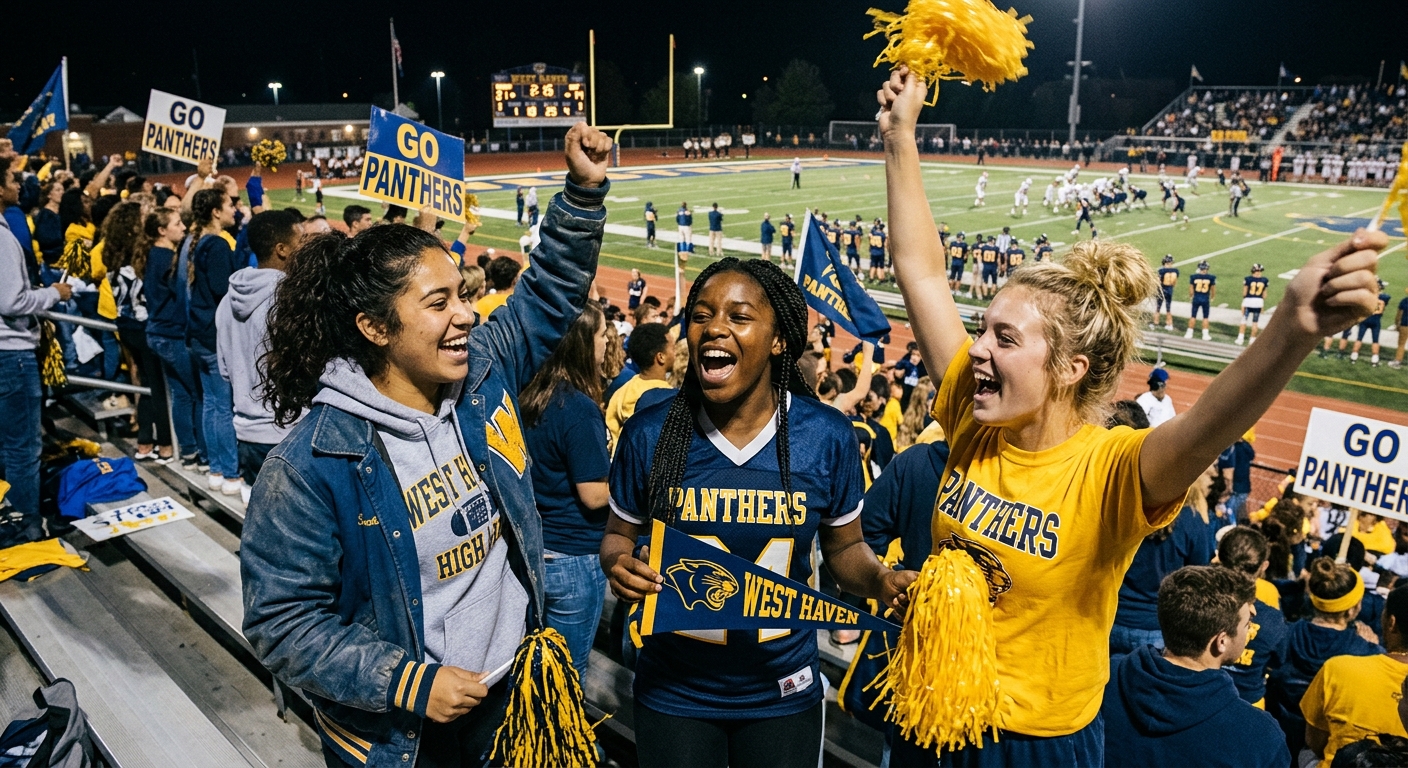
Soon enough, teens in Raleigh were filming it on front porches. Dance teams in Charleston were working it into halftime routines. Even moms in Columbia were giving it a go, laughing through the moves with their kids. It wasn’t just a trend—it was a moment. The kind that makes you remember how fun it is to move your body for no reason at all.
Then that moment got complicated.
When Roblox Took the Dance Without the Green Light
So here’s the thing. Kelley had been talking to Roblox about licensing her dance. That’s the platform behind Dress to Impress, one of their big fashion-based games. Smart move on her part. She had the dance copyrighted and was trying to make sure everything went by the book.
But before the ink ever dried—actually, before it was even printed—Roblox released the Apple dance emote in the game. Players could buy it. Use it. Love it. And Kelley? She hadn’t given the final “yes.”
The numbers don’t lie:
- Emote price: $1.25
- Estimated downloads: Over 60,000
- Revenue for Roblox: Around $123,000
- Signed licensing deal: None
The emote stayed up for three months. Then it vanished. Just like Kelley’s credit.
Carolina Creators Know This Feeling All Too Well
You don’t have to be viral to understand what Kelley’s going through. Around here, creators hustle hard—sometimes without the spotlight. Maybe you’re a musician playing patios in Asheville. Or a choreographer building routines at a rec center in Columbia. Or a visual artist doing pop-ups in Wilmington on weekends.
You put your heart into it. Your time. Your voice.
And when someone takes what you made—without asking—and profits off it? Yeah. That cuts deep.
What Roblox Said (Or Didn’t)
Their response? Polite. Vague. Legal-sounding. The usual talk about intellectual property and how they’re confident in their position. But it didn’t come with an apology. Or even an explanation. Just a quiet little shrug from a billion-dollar company.
Meanwhile, Kelley was left trying to explain to her own audience—people who supported her from day one—why her dance was suddenly everywhere without her being part of the story anymore.
This Isn’t Just About a Dance. It’s About Respect.
Kelley didn’t ask for much. She just wanted to be part of the process. To be seen. To be respected for creating something people clearly loved.
And in the Carolinas, we get that. We’ve always valued that neighborly kind of recognition—where if someone borrows your idea, they at least knock on your door first.
So when we see what happened to Kelley, it doesn’t feel far away. It feels close. Like it could be any of us.
Let’s Not Let the Spark Get Snuffed Out
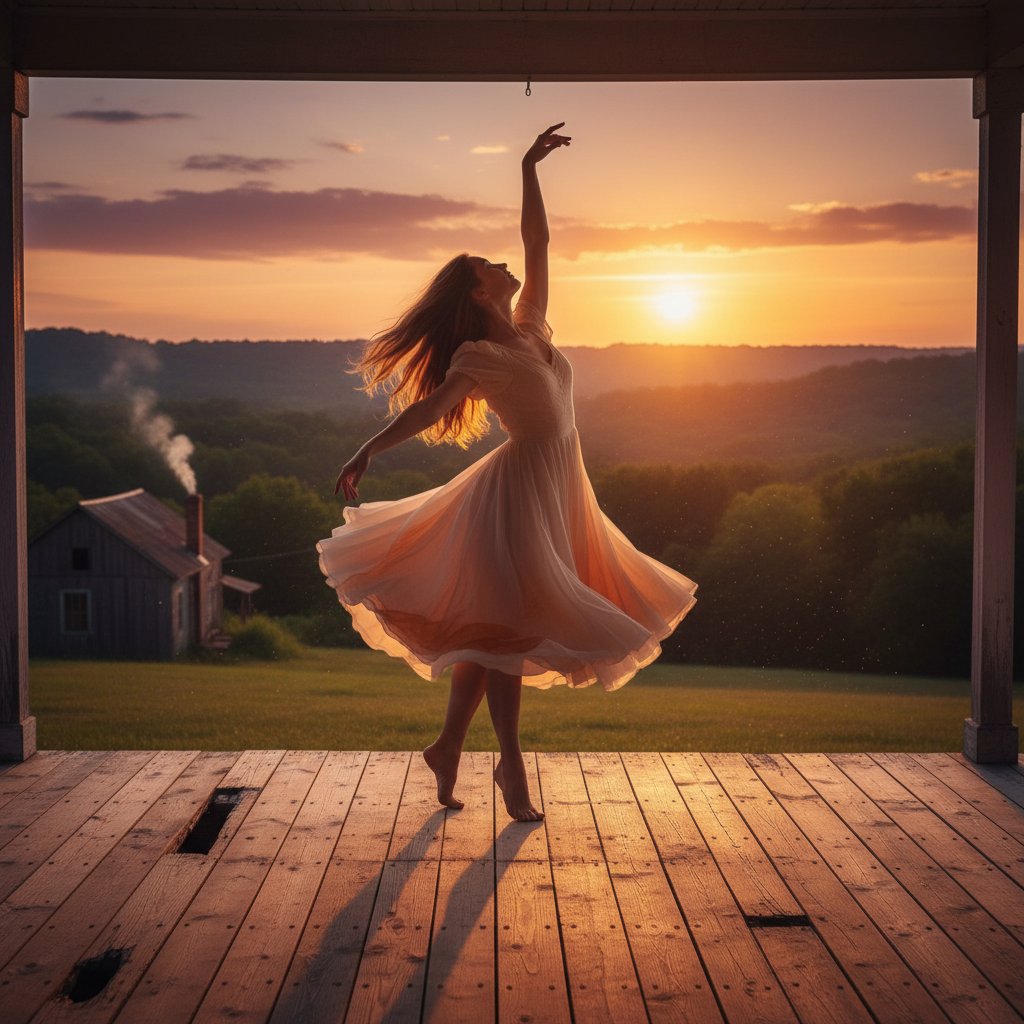
Kelley’s suing now—not because she’s greedy. Not because she’s bitter. But because she’s trying to make sure the next young creator, dancing barefoot on their porch in Durham or sketching designs in a tiny Myrtle Beach apartment, gets a fair shot.
This isn’t just about copyright. It’s about dignity. About what it means to make something and still feel like it belongs to you once the world sees it.
So yeah, we’re watching. And we’re with her. Because joy—the kind you can feel in your chest, in your hips, in your fingertips—should never be taken without care.