- calendar_today August 22, 2025
While Lululemon struggles with retail disappointment, North and South Carolina shoppers reconsider spending. Find out how the retailer’s disappointment is transforming regional consumer trends and retail markets.
Lululemon, the erstwhile booming giant of sportswear-inspired athleisure wear, is riding out a series of retail maladies—from falling sales and increased manufacturing expenses to fierce foreign competition. These shifts are causing consumers in North and South Carolina to rethink where, how, and why they spend their hard-earned dollars on athletic apparel.
Most famous for its high-performance yoga pants and high-end athleisure categories, Lululemon has been the consumers’ first choice for years who are fashion-conscious and function-driven. However, with inflationary pressures and changing work-life habits, most Carolinas consumers are shifting their focus away from higher-end, more specialized, and fashion-focused products.
Why Lululemon’s Woes Matter in the Carolinas
There are a number of economic and cultural forces that are aligning to make Lululemon’s agony especially poignant to consumers in North and South Carolina:
1. Tariff and Production Cost Dearer
Most of Lululemon’s products are made abroad, so they’re immediately impacted with tariffs and supply chain fluctuations. With higher import tariffs and the price of materials rising, the company has translated the hikes to customers. For Carolinians tightening their belts during periods of inflation, that price hike is prompting hesitation at the checkout line.
2. Post-Pandemic Consumer Behavior Shift
The remote work athleisure pandemic bubble has been powered by a home-based, casual lifestyle. With employees returning to the workplace or starting hybrid lives, there is less demand for highly functional workout attire. Consumers crave more versatile clothing that can easily move between the office, the gym, and street wear.
3. Competitive Alternatives Taking Hold
Brands such as Athleta, Fabletics, and even Old Navy are cashing in on the rising demand for cheap activewear. These cheaper alternatives are providing quality and style rivaling their competitors at much lower price points. This swell of competition is enticing once-loyal Lululemon customers to cheaper alternatives.
How Consumers in the Carolinas Are Responding
Seeking Out Affordable Alternatives
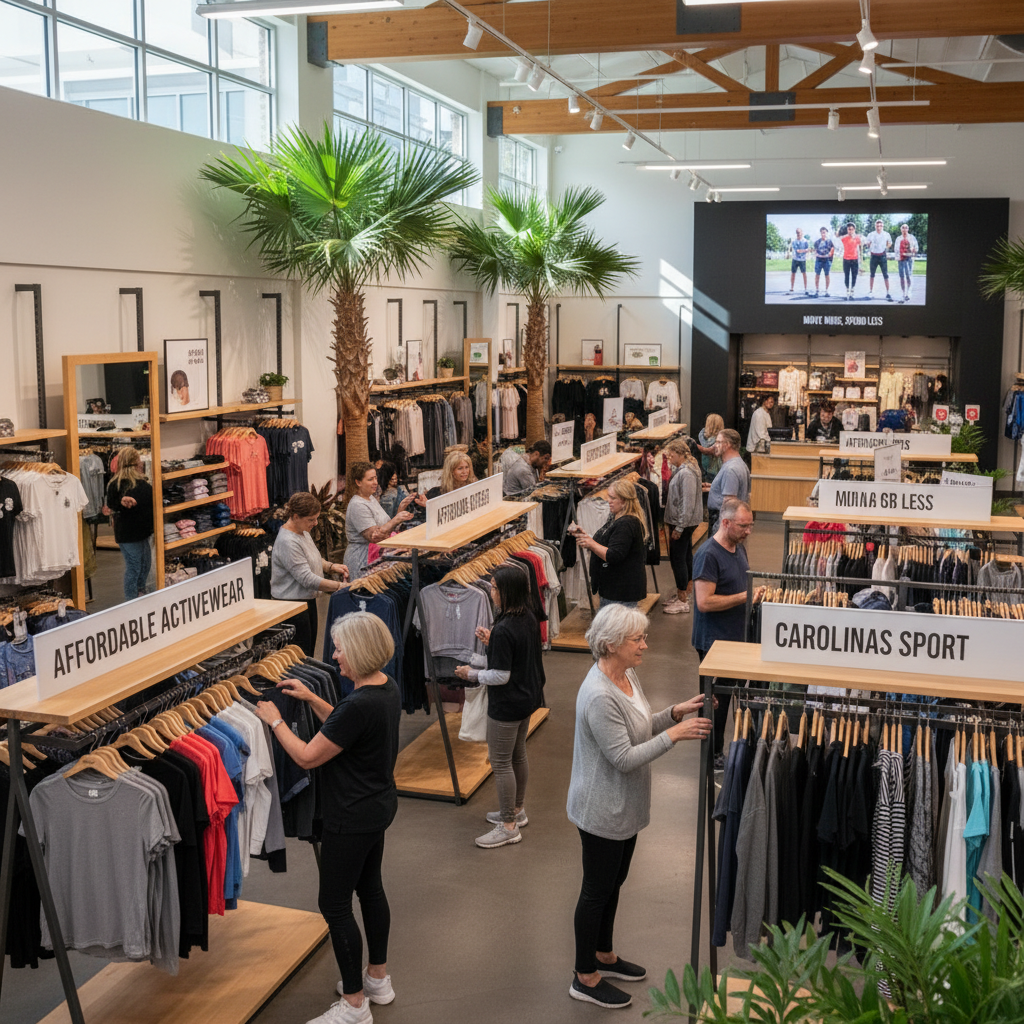
Price-conscious shoppers are increasingly attracted to brands that provide style and performance at their highest price. Athleta and Fabletics, for example, are the new favorites among Charlotte, Raleigh, Charleston, and Greenville shoppers.
Prioritizing Versatility
The evolution towards hybrid lifestyles brought with it a demand for clothes that easily transition from one environment to another. Consumers today want to wear clothing that blends sport, fashion, and utility—attributes not necessarily typical of Lululemon’s specialty products.
Shopping Smarter with Savings
Instead of buying full price, Carolina consumers are turning to bargain-based shopping. From end-of-season sales to outlet shopping centers and online bargains, some wait patiently for better prices to emerge.
Retailers Respond to Shifting Demand
The decline of Lululemon’s popularity is also changing the retail landscape in the Carolinas. Local boutiques, department stores, and chain retailers are changing to meet new customer demands.
Increasing Brand Variety
Shoppers are now diversifying their activewear options to encompass an extensive range of both affordable and functional brands. The move not only bridges the void left behind by Lululemon but also lures in more consumers.
Emphasis on E-Commerce
Convenience and choice being front-of-mind for consumers, retailers are going all out on their e-commerce sites. From enhanced UX to personalized and targeted digital marketing, retailers are plowing money into functionality so online shopping can be as frictionless—and attractive—as it can be.
Shilling Local and Sustainable Brands
Local sustainability and loyalty are on the rise. Consumers in the Carolinas are growing more interested in brands that focus on locally making and using sustainable materials. This has opened a window of opportunity for locally-focused smaller labels to gain market share and loyalty.
What the Future Holds for Carolina Retail
While Lululemon works to regain its momentum, consumers in North and South Carolina aren’t going to revert to earlier habits anytime soon. The shift toward value, versatility, and responsible consumption appears to be more than a bubble.
For retailers, the solution is to remain nimble and adaptable. Those who remain at the forefront in expanding their product offerings, tapping into their online presence, and going green will be well-positioned for success in the changing landscape of Carolinas’ retailing.
Conclusion
Lululemon’s current troubles in being an eye-opener for customers and retailers from North and South Carolina. Inflation, shifts in lifestyle needs, and more companies entering the market have consumers making them question their choices, enjoying affordability, versatility, and making wiser choices.
Those who see and adapt to these changes will not only stay engaged but create new avenues for growth. With more varied inventories, increased e-commerce capabilities, or facilitation of local, sustainable fashion, the Carolinas are emerging as a vibrant retail frontier in an era of industry change.