- calendar_today August 12, 2025
A Quiet Boom in the South: The Rise of the Carolinas
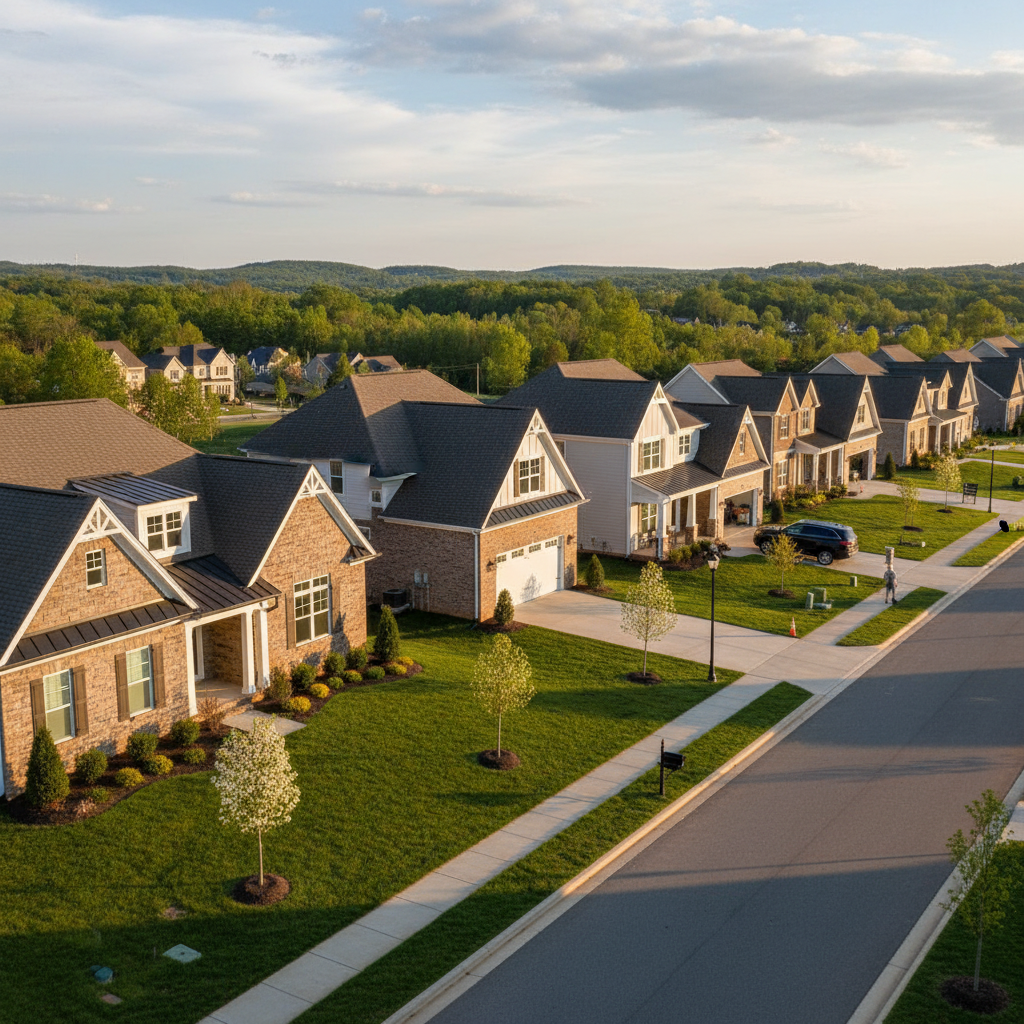
Over the past decade, both North Carolina and South Carolina have gone from overlooked to overbooked, especially in real estate. In 2025, that momentum hasn’t just held—it’s accelerated.
Thanks to affordability, job growth, population inflow, and business-friendly policies, the Carolinas are drawing attention from investors coast to coast. From Charlotte’s bustling skyline to Charleston’s coastal charm, real estate here offers both cash flow and appreciation—a rare combo in today’s market.
North Carolina: Steady Growth with Big-City Energy
North Carolina offers a blend of economic opportunity and lifestyle perks that attract both renters and buyers. Tech, finance, healthcare, and education are booming—especially in major metros.
Charlotte – The Southeast’s Rising Star
- Median home price (2025): ~$420,000
- Avg rent (2BR): ~$1,850
- Best neighborhoods for investors: NoDa, Belmont, South End
Charlotte continues to rank high on lists of fastest-growing cities. With Fortune 500 companies, a young workforce, and steady in-migration, it’s ideal for long-term rental and multifamily investments.
Raleigh–Durham – The Research Triangle Advantage
- Median home price (2025): ~$435,000
- Avg rent (2BR): ~$1,950
- Investor focus areas: Downtown Durham, Cary, Wake Forest
Thanks to its universities and R&D jobs, Raleigh-Durham has a low vacancy rate, making it a prime location for build-to-rent and buy-and-hold investors.
South Carolina: Coastal Cash Flow and Suburban Gold
What South Carolina may lack in metro scale, it makes up for with coastal appeal, affordability, and landlord-friendly laws.
Charleston – Where History Meets High Yield
- Median home price (2025): ~$510,000
- Avg rent (2BR): ~$2,150
- Hot areas: North Charleston, West Ashley, Goose Creek
Charleston’s tourism, port economy, and culture make it an ideal spot for short-term rentals and vacation properties. Regulations are tightening, so STR investors should check local ordinances. Greenville – A Hidden Gem That’s No Longer a Secret
- Median home price (2025): ~$330,000
- Avg rent (2BR): ~$1,600
- Promising zones: West Greenville, Nicholtown, Simpsonville
Greenville is one of the fastest-growing small cities in the U.S. It’s perfect for mid-priced rentals and BRRRR strategy players seeking decent cash flow and value-add potential.
What Makes the Carolinas a 2025 Investor Magnet?
Strong job markets in tech, logistics, education, and healthcare
No state rent control laws
Landlord-friendly eviction processes
Attractive tax climates compared to the Northeast or West Coast
A growing population due to migration from high-cost states like New York and California
Both states also benefit from mild weather, low cost of living, and major infrastructure investments, making them appealing to both renters and retirees.
Real Estate Trends to Watch (2025)
- Increased demand for new construction in suburbs due to high migration and remote work.
- Institutional investors are entering markets like Charlotte and Raleigh with built-to-rent developments.
- Short-term rental regulations tightening in Charleston and Asheville—watch local policies.
- Secondary markets like Spartanburg, Rock Hill, and Wilmington are emerging as high-yield zones.
Who’s Buying in the Carolinas in 2025?
- Millennial and Gen Z investors priced out of Austin and Nashville.
- Remote landlords buying through turnkey providers or local PM firms.
- Coastal retirees using 1031 exchanges to purchase long-term homes.
- Fix-and-flippers targeting Greenville and Columbia suburbs.
Should You Invest in North or South Carolina in 2025?
Absolutely—if you’re ready for smart growth, stable demand, and rising property values.
- Want steady appreciation with urban growth? Go with Charlotte or Raleigh.
- Want strong rental returns in a charming, lower-cost market? Head to Greenville or Columbia.
- Want Airbnb potential with premium returns? Look at Charleston—but move fast before rules tighten further.
Both North and South Carolina offer different flavors of opportunity, but in 2025, either one is a solid bet for strategic real estate investors.