- calendar_today August 13, 2025
In 2025, North and South Carolina are proving to be two of the most dynamic states in the Southeast’s commercial real estate (CRE) recovery. As national markets struggle to regain balance post-pandemic and amid economic tightening, the Carolinas are seeing stable gains driven by diversified economies, population growth, and infrastructure investments.
From Charlotte’s urban expansion to Charleston’s logistics-driven demand, the commercial sector across the Carolinas is reshaping investor confidence.
Population Growth Fuels Demand
According to the U.S. Census Bureau, both North and South Carolina ranked among the top 10 fastest-growing states in 2024. North Carolina added nearly 140,000 new residents, while South Carolina welcomed over 90,000, thanks to in-migration from Northeastern and Midwestern states.
This population surge has intensified demand for multifamily developments, retail centers, and medical office buildings—particularly in suburban areas such as Fort Mill, SC, and the Research Triangle in NC.
Office Real Estate: A Selective Rebound
While many national markets remain cautious about office investments, North Carolina’s tech-driven metros—like Raleigh-Durham and Charlotte—are outperforming expectations. A recent report by CBRE showed office occupancy in Raleigh’s Class A suburban corridors reached 85% in Q1 2025, significantly higher than the national average.
Companies continue to consolidate into high-amenity, mixed-use developments, especially those with LEED certifications and remote work accommodations. South Carolina’s office market, while smaller, is benefitting from near-shore relocations by engineering, healthcare, and logistics firms—particularly in Greenville and Columbia.
Industrial Sector: Regional Powerhouse
Both Carolinas have become logistics and manufacturing hubs, thanks to their strategic location along the Eastern Seaboard and access to ports, highways, and railways.
Charleston’s port expansions and intermodal connections have boosted industrial absorption rates to record levels. In North Carolina, areas like Greensboro and Concord are seeing major investments from e-commerce and EV suppliers. Cushman & Wakefield reports that over 12 million square feet of industrial space is under construction across the Carolinas, with vacancy rates below 4.5%.
States continue to offer attractive incentives to logistics and manufacturing firms, further driving demand for warehouses and distribution centers.
Retail Revitalization: Experiential and Localized
Retail recovery in the Carolinas is closely tied to lifestyle and tourism. Asheville, Charleston, and Wilmington are experiencing robust foot traffic and local spending. Hybrid retail concepts—such as food halls, boutique entertainment, and wellness centers—are replacing big-box vacancies.
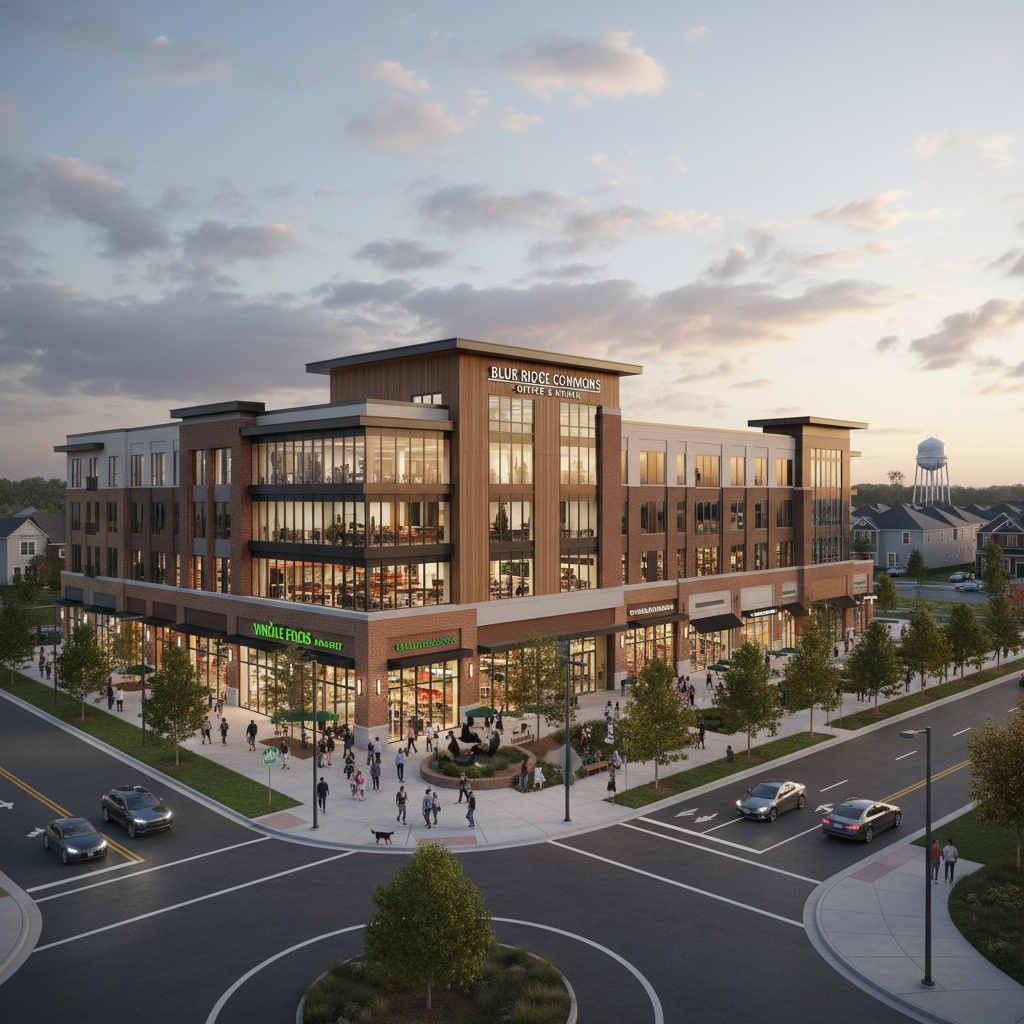
Urban-suburban corridors like Charlotte’s South End and Raleigh’s North Hills are hotbeds for mixed-use retail, supported by walkability and young professionals seeking live-work-play environments.
In South Carolina, Myrtle Beach and Hilton Head are regaining pre-pandemic tourism activity, boosting hotel and retail real estate performance. The state’s retail sector saw rental growth of 4.8% year-over-year, according to Marcus & Millichap.
Multifamily Market: Resilient and Ripe
Multifamily demand remains high across both states, driven by rising home prices and continued renter demand. Charlotte, Raleigh, and Charleston are top-tier markets for institutional investors in 2025.
Vacancy rates remain tight (below 6% in many submarkets), while new deliveries are swiftly absorbed. Build-to-rent communities are gaining popularity, especially in outer suburbs where land costs are lower and families seek more space.
Rental rate growth is moderating compared to the 2021–2023 boom but remains positive. Greenville and Columbia, SC, are emerging as strong secondary markets for multifamily developers looking for higher yields.
Life Sciences and Tech: A Hidden Driver
North Carolina continues to leverage its status as a life sciences hub. The Research Triangle is home to dozens of biotech, pharmaceutical, and data companies, many of which are expanding their real estate footprint in 2025.
This has a ripple effect on demand for specialized lab space, cleanroom facilities, and hybrid office-R&D environments. Investors are increasingly targeting science parks and innovation districts anchored by universities.
South Carolina is seeing growth in clean energy and automotive tech, especially with electric vehicle manufacturing and battery storage projects in Spartanburg and Florence. These sectors are spurring demand for both industrial and specialized commercial facilities.
Infrastructure and Investment Incentives
The Carolinas have both benefited from state-led infrastructure upgrades and federal funding under the Infrastructure Investment and Jobs Act (IIJA). North Carolina recently completed major improvements to I-85 and I-40 corridors, unlocking logistics potential.
South Carolina is enhancing port infrastructure in Charleston and investing in inland ports and freight rail to support future freight volume.
These improvements, coupled with business-friendly tax environments and workforce development programs, continue to attract domestic and international CRE investors to the region.
Challenges and Watch Points
Despite broad momentum, some risks linger:
- Rising construction costs and labor shortages are impacting project timelines and budgets.
- Climate risks, particularly in coastal areas, are influencing insurance costs and property resilience planning.
- Zoning and permitting delays, especially in fast-growing suburbs, are causing friction in the development pipeline.
However, local governments are increasingly working with the private sector to streamline approval processes and support sustainable growth.
Outlook for 2025 and Beyond
As of mid-2025, North and South Carolina continue to outperform national averages across most CRE sectors. Their growth is balanced between urban and secondary markets, diversified by industry, and supported by infrastructure and demographic trends.
For investors and developers, the Carolinas offer strong long-term fundamentals—with resilience in the present and high potential for future returns. Whether targeting logistics assets near ports, mixed-use in fast-growing suburbs, or medical offices in underserved areas, the Carolinas present some of the Southeast’s most promising commercial real estate opportunities.