- calendar_today August 10, 2025
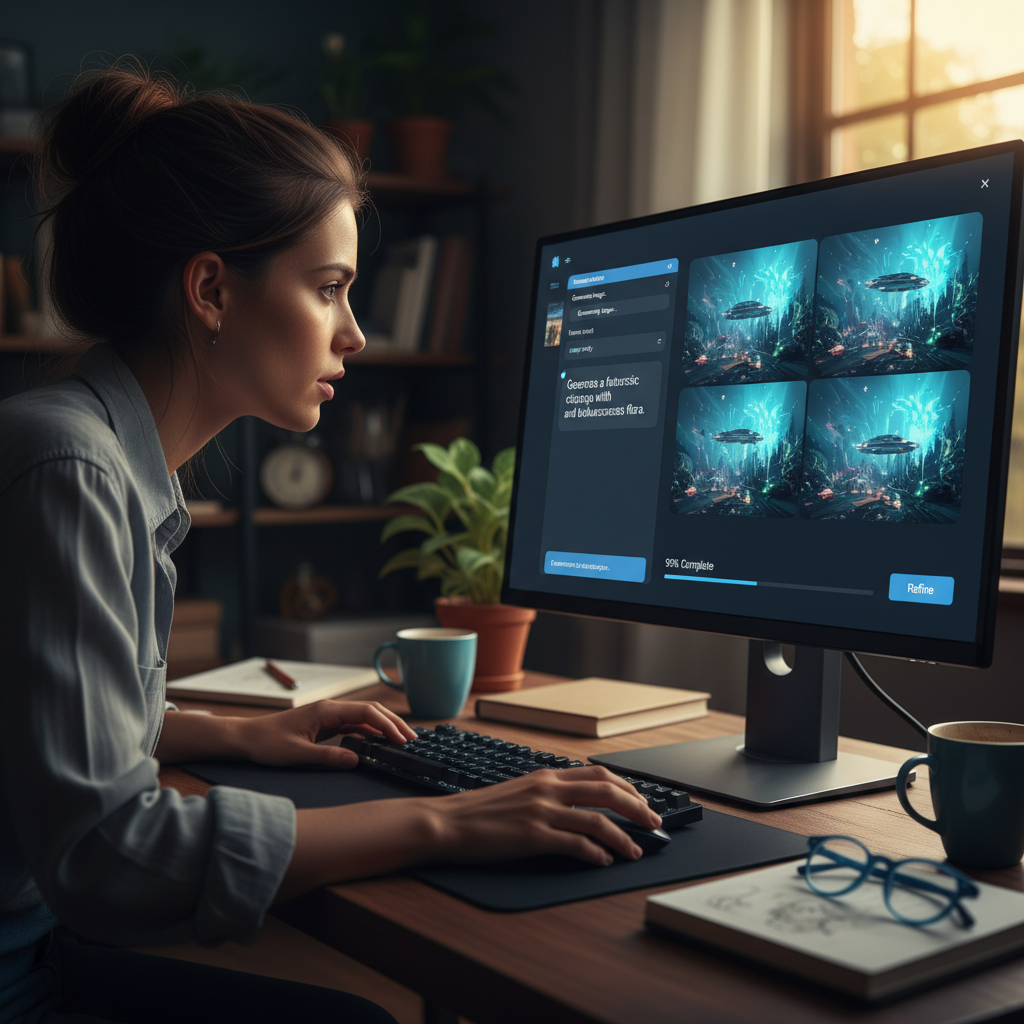
OpenAI has introduced a revolutionary feature called “Images in ChatGPT,” which integrates image generation capabilities directly within the ChatGPT interface. The GPT-4o model now enables users to generate images during their conversations with ChatGPT, which represents a major advancement in AI-generated content creation.
The image generation feature has been released for every ChatGPT subscription level, from free to Team, while aiming to expand access to advanced image generation capabilities. OpenAI spokesperson Taya Christianson explained free tier users share DALL-E 3’s image generation restrictions of about three images daily, but acknowledged that OpenAI might modify these limits depending on demand. A dedicated custom GPT will maintain access for DALL-E enthusiasts.
OpenAI’s research leader, Gabriel Goh, called GPT-4o a transformative “omnimodal” model due to its ability to process text and media inputs like images and videos. The model’s improved “binding” ability represents an important advancement by solving a long-standing issue in AI image generation. GPT-4o demonstrates improved accuracy in managing 15 to 20 objects while maintaining clear distinctions between colors and shapes, unlike previous models, which struggled with these relationships.
The system demonstrates exceptional text rendering capabilities. AI-generated imagery has historically presented problems with distorted or nonsensical text. Goh explained that the development process required multiple months of detailed iterative work to perfect. The team has successfully created text rendering that works well for images, even though perfect results for small text require further work.
The system uses an autoregressive approach instead of the diffusion models, which most image generators utilize. The technique that builds images from left to right and top to bottom, following text generation rules, seems to improve how text gets rendered and stays bound together.
OpenAI demonstrated their system’s various functions, which include producing scientific diagrams with precise labeling, such as Newton’s prism experiment, and creating multi-panel comics featuring consistent characters and dialogue, as well as designing informational posters with correct text during a briefing. The demonstration included practical applications where transparent background images were created for stickers, restaurant menus, and logos.
ChatGPT’s multimodal product lead, Jackie Shannon, highlighted how the system utilizes global knowledge to function. In her explanation, she said, “When I draw images, I face the limits of my personal abilities, yet I incorporate everything I’ve learned about the world into my work.” World knowledge from the model enables image requests of Newton’s prism experiment without needing to explain the concept for the results.
OpenAI insists that the improvements in image quality and new capabilities make the longer generation times worthwhile. According to Shannon, the system has potential latency improvements that could be made, but the advanced image quality and world knowledge embedded in each image compensate for the extra wait time.
Key Insights: Safeguards, User Ownership, and Technological Advancements
OpenAI highlighted its implementation of strong protective measures in response to potential misuse worries. The system is engineered to defend against watermark removal while it blocks sexual deepfake production and declines CSAM requests. Generated images will contain standard C2PA metadata to identify them as OpenAI creations, though they lack visual watermarks. The company operates internal verification tools to assess images.
Shannon explained that although systems cannot reach perfection in this area, they continue to enhance their protection measures, which they consider to be their initial step. Users own all images generated from ChatGPT and can utilize them within our usage policies, however, they wish.
The implementation of image generation capabilities within ChatGPT marks a major breakthrough in creative applications powered by artificial intelligence. OpenAI demonstrates its dedication to creating a powerful and responsible tool through enhanced binding capabilities and superior text rendering combined with strong safeguards. OpenAI showcases innovation in image generation through their move from traditional diffusion models to an autoregressive method. The integration of user ownership and metadata underscores the necessity of both transparency and ethical standards in AI-generated content development. OpenAI expands ChatGPT’s features through “Images in ChatGPT,” while establishing a new benchmark for user-friendly and potent AI-based image creation methods.