- calendar_today August 14, 2025
In 2025, the real estate markets in North and South Carolina continue to draw attention from investors seeking growth, resilience, and long-term value. With interest rates stabilizing and population growth fueling demand, the Carolinas stand out as one of the most attractive regions in the U.S. for diversified real estate investments. Buyers and developers are no longer chasing fast flips—they’re looking for income consistency, strong demographic alignment, and strategic location choices.
From Charlotte and Raleigh to Charleston and Greenville, real estate players are watching seven sectors that are not only thriving but adapting effectively to market changes.
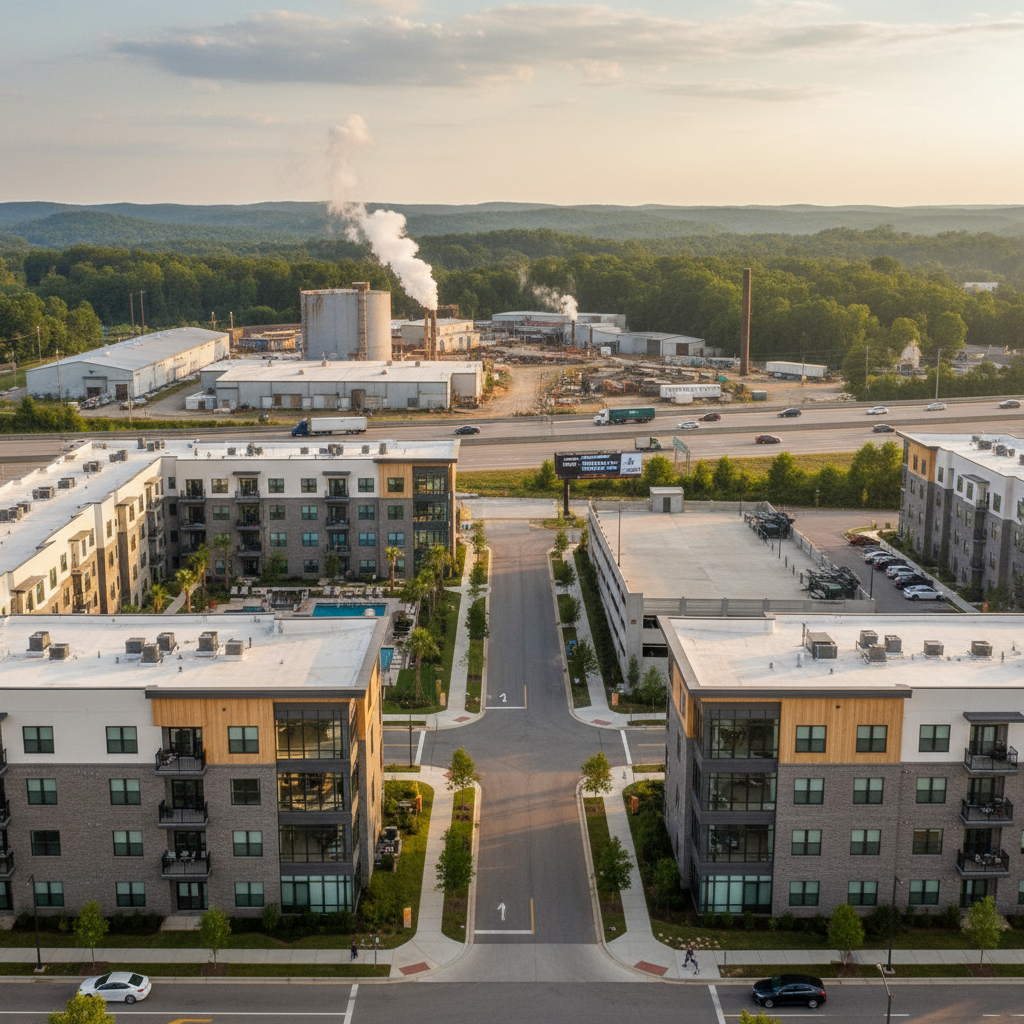
Multifamily Housing: The Reliable Performer
Multifamily housing remains a bedrock of the Carolinas’ real estate strength. Class B and C apartment complexes in cities like Charlotte, Columbia, and Wilmington are experiencing historically low vacancy rates—hovering around 5% or less, according to CBRE’s 2025 regional data.
Mid-rise apartments and build-to-rent communities are flourishing in Raleigh-Durham and suburban areas around Charleston. As high mortgage rates keep many households renting longer, landlords are enjoying steady rent growth. With quality property management and light value-add investments, rental income continues to climb at around 3–4% annually—even in well-established markets.
Industrial Properties: Still a Growth Engine
Industrial real estate in the Carolinas remains one of the most in-demand asset classes. From inland hubs like Spartanburg and Gastonia to major distribution corridors along I-85, industrial vacancy rates are staying below 4% and rents are increasing steadily.
JLL’s Q2 2025 report notes strong performance in cold storage, last-mile logistics, and light manufacturing facilities throughout both states. Charlotte’s emergence as a logistics and fintech hub, paired with South Carolina’s thriving port activity in Charleston and automotive presence in Greenville, continues to attract institutional investors and REITs focused on industrial growth.
Single-Family Rentals in Suburban Markets
One of the standout trends in the Carolinas is the explosive growth in single-family rentals (SFRs), particularly in fast-growing suburbs around Raleigh, Rock Hill, and Summerville. As families seek space, flexibility, and school access without committing to homeownership, detached rental homes are in high demand.
Roofstock’s 2025 Investor Sentiment Index shows strong interest in expanding SFR portfolios across the region. Investors favor these properties for their lower tenant turnover, predictable cash flow, and strong appreciation potential. In family-oriented communities near job hubs and universities, rents continue to climb as inventory remains limited.
Migration Patterns Fueling Regional Demand
The Carolinas remain migration magnets in 2025. North Carolina cities like Raleigh, Durham, and Charlotte are seeing strong in-migration due to tech growth, education hubs, and quality of life. In South Carolina, Charleston, Greenville, and Myrtle Beach are attracting retirees, remote workers, and young families alike.
Developers are aligning with these demographic shifts, building residential and retail properties near tech parks, distribution centers, and revitalized downtowns. While the Sun Belt story is national, the Carolinas offer a unique mix of affordability, livability, and economic diversity that continues to drive demand.
Mixed-Use Developments & Downtown Revival
Downtown revival is well underway across both states. In mid-sized cities like Asheville, Columbia, and Fayetteville, mixed-use developments that blend residential, coworking, and lifestyle amenities are making a comeback. Walkable neighborhoods are in demand again, especially among Gen Z and millennial renters.
In areas like North Charleston and Durham’s Innovation District, developers are converting underutilized spaces into vibrant, multi-use communities. While zoning and construction timelines can be challenging, long-term investment value remains compelling in these growing urban cores.
Niche Assets on the Rise: Senior & Student Housing
Senior housing is surging across the Carolinas, particularly in retirement-friendly areas like Hilton Head, the North Carolina mountains, and suburban communities around Raleigh. The aging baby boomer population is driving demand for independent living, assisted care, and memory care developments.
Student housing is also rebounding strongly in college towns such as Chapel Hill, Greenville (SC), and Boone. Many properties near the University of South Carolina, Clemson, and UNC Chapel Hill are hitting pre-lease rates above 90%. Students are demanding updated, tech-friendly units with built-in social features, and developers are responding with competitive offerings.
Risk Factors and Investment Cautions
Despite the opportunity, there are challenges. Both North and South Carolina are increasingly exposed to extreme weather events—particularly hurricanes and flooding along the coast. Rising insurance premiums and necessary property upgrades are pressuring margins in affected zones.
Regulation is relatively business-friendly across both states, but local zoning restrictions, especially in historic districts and urban cores, can slow development. Investors should stay informed on building codes, tax incentives, and short-term rental rules, which vary widely by municipality.
While the Federal Reserve has signaled a more stable rate environment, borrowing costs remain elevated. Conservative underwriting and thorough market research are critical to protect returns in this competitive environment.
Expert Insight: What the Analysts Say
“We’re seeing steady capital flows into the Carolinas, particularly in multifamily and logistics,” says Lauren Bellingham, a senior economist with CBRE. “But localized knowledge—knowing the differences between markets like Cary and Greenville—makes a huge difference.”
Redfin’s 2025 Housing Trends report also underscores that job creation, migration inflows, and affordability are key drivers in the Carolinas. While the data shows continued strength, analysts stress the importance of market-by-market interpretation for successful investing.
Strategic Diversification is Key in 2025
Successful investors in the Carolinas are pursuing diversified strategies tied to how people live, work, and move throughout the region. Multifamily remains the foundation, while industrial and SFRs provide strong, scalable opportunities. Mixed-use developments and niche housing categories are capturing demand from students, retirees, and young professionals.
With demographic growth accelerating and real estate fundamentals remaining solid, the Carolinas offer a robust platform for investors in 2025. Those who balance precision, patience, and flexibility are best positioned to thrive in a market that rewards informed, regionally attuned strategies.