- calendar_today August 8, 2025
Trump’s Trade Policies Are Costing North & South Carolina’s Luxury Auto Sector Millions
Tariffs on Imported Vehicles and Parts Are Driving Up Costs and Threatening Jobs Across the Carolinas
Explore how Trump’s trade policies are impacting North and South Carolina’s luxury auto industry, leading to rising costs, reduced sales, and economic challenges for local businesses.
The luxury auto industry in North and South Carolina is feeling the financial strain as former President Donald Trump’s trade policies continue to impose heavy tariffs on imported vehicles and parts. As of 2025, these policies have led to increased manufacturing costs, rising consumer prices, and uncertainty across one of the region’s most lucrative markets. With several major automotive manufacturers operating in the Carolinas, the ripple effects of these tariffs are far-reaching.
Tariffs Hit the Carolinas’ Auto Industry Hard
North and South Carolina are home to some of the nation’s largest automotive production and distribution centers. Companies like BMW, Volvo, and Mercedes-Benz have significant operations in the region, contributing billions to the local economy and providing thousands of jobs. However, Trump’s trade tariffs on imported steel, aluminum, and auto parts have placed enormous financial pressure on these companies.
Since 2023, tariffs on European and Asian imports have increased manufacturing costs by approximately 15%, according to the Carolinas Auto Dealers Association. This price surge has translated to higher consumer prices for luxury vehicles, discouraging buyers and reducing overall sales.
A recent report from the Carolina Economic Policy Institute estimates that these tariffs have cost the region’s luxury auto sector over $450 million in lost revenue over the past two years.
BMW and Volvo Feel the Heat
BMW’s massive production facility in Spartanburg, South Carolina—the largest BMW plant globally—has been particularly affected by these trade policies. The plant, which specializes in manufacturing luxury SUVs for the global market, relies on imported components from Europe and Asia.
“These tariffs are squeezing our margins and reducing our global competitiveness,” said a BMW spokesperson. “We are doing everything we can to minimize the impact, but increased costs are forcing us to raise prices on our most popular models.”
Volvo, which operates a significant manufacturing plant in Ridgeville, South Carolina, has also experienced setbacks. The company originally planned to expand its operations but has put those plans on hold due to ongoing trade uncertainties.
Impact on Local Dealerships and Consumers
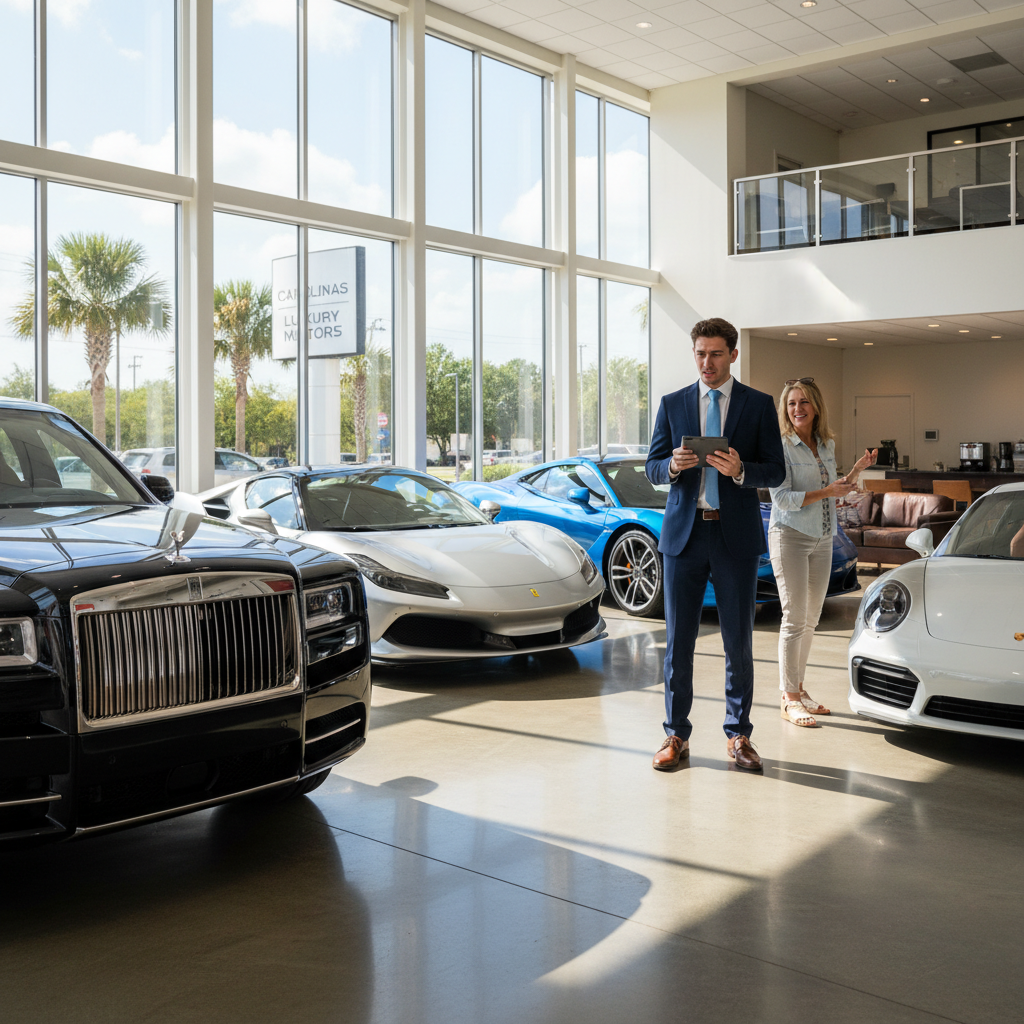
Luxury car dealerships across the Carolinas are also grappling with the consequences of these tariffs. Rising wholesale prices mean that dealerships are either absorbing losses or passing the costs onto consumers.
“We’ve seen a 20% drop in luxury vehicle sales since the tariffs came into effect,” says Lisa Matthews, owner of a luxury auto dealership in Charlotte, North Carolina. “Customers who would typically upgrade every two or three years are holding onto their cars for longer.”
Consumers face not only higher sticker prices but also increased costs for repairs and maintenance. With tariffs inflating the price of imported parts, repairs on luxury vehicles—especially those from European manufacturers—are becoming prohibitively expensive.
For example, the cost to replace specialized components like high-tech sensors and performance engines has risen by as much as 30%, making routine maintenance a financial burden for luxury car owners.
Economic Fallout: Jobs and Investments at Risk
Beyond price increases, the economic impact of Trump’s trade policies is threatening job security and future investment in the Carolinas’ auto industry. Manufacturing plants that rely on global supply chains are at risk of cutting jobs if tariffs remain in place.
The Carolina Economic Policy Institute’s analysis warns that up to 5,000 jobs could be lost across the region by 2026 if these trade policies are not revised. Skilled workers in production, logistics, and automotive technology would be the most affected.
“The longer these tariffs remain, the harder it becomes to sustain job growth and attract new investment,” said Dr. Michael Greene, an economist at the Institute. “The Carolinas are automotive powerhouses, but we are vulnerable to global trade shifts.”
Political and Business Leaders Push for Policy Changes
Business leaders and political representatives in North and South Carolina are calling for a reassessment of Trump’s trade policies. Advocacy groups and auto industry associations are pushing Congress and the Biden administration to reconsider tariffs and support domestic manufacturing without penalizing international partnerships.
In a recent statement, South Carolina Governor Henry McMaster emphasized the need for a balanced approach. “Our state depends on a thriving automotive industry,” he said. “We must work toward policies that protect American jobs while keeping us competitive on a global scale.”
Similarly, North Carolina’s automotive advocacy groups are lobbying for tariff relief, arguing that a rollback could restore growth and reduce financial pressures on manufacturers and consumers alike.
What’s Next for the Carolinas’ Luxury Auto Sector?
The future of North and South Carolina’s luxury auto industry remains uncertain as Trump’s trade policies continue to disrupt operations. While some manufacturers are exploring domestic alternatives to mitigate tariff costs, these transitions take time and significant investment.
Industry experts suggest that without immediate policy changes, the region will continue to see rising prices, declining sales, and potential job losses. Meanwhile, local dealerships and consumers must navigate the financial challenges imposed by a rapidly changing trade environment.
Related Articles: