- calendar_today August 21, 2025
.
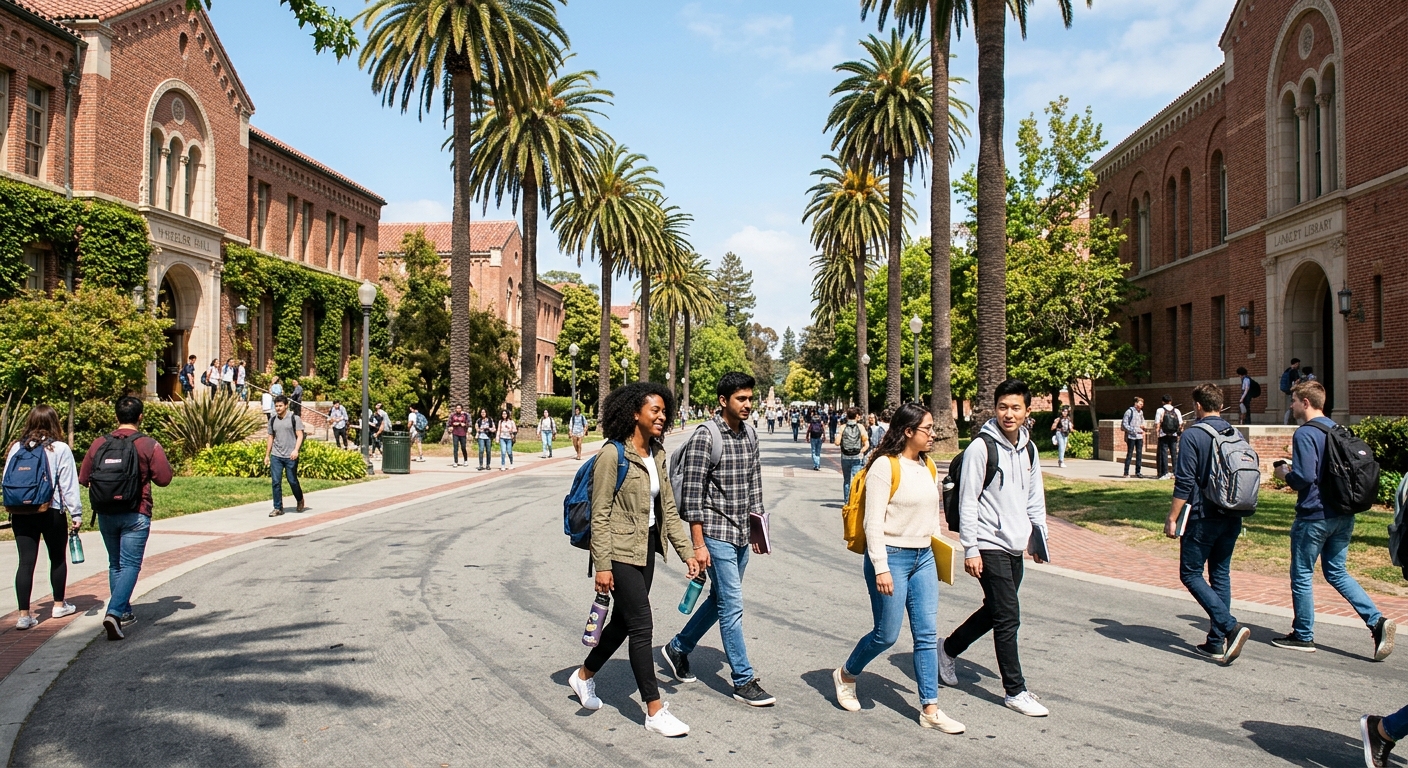
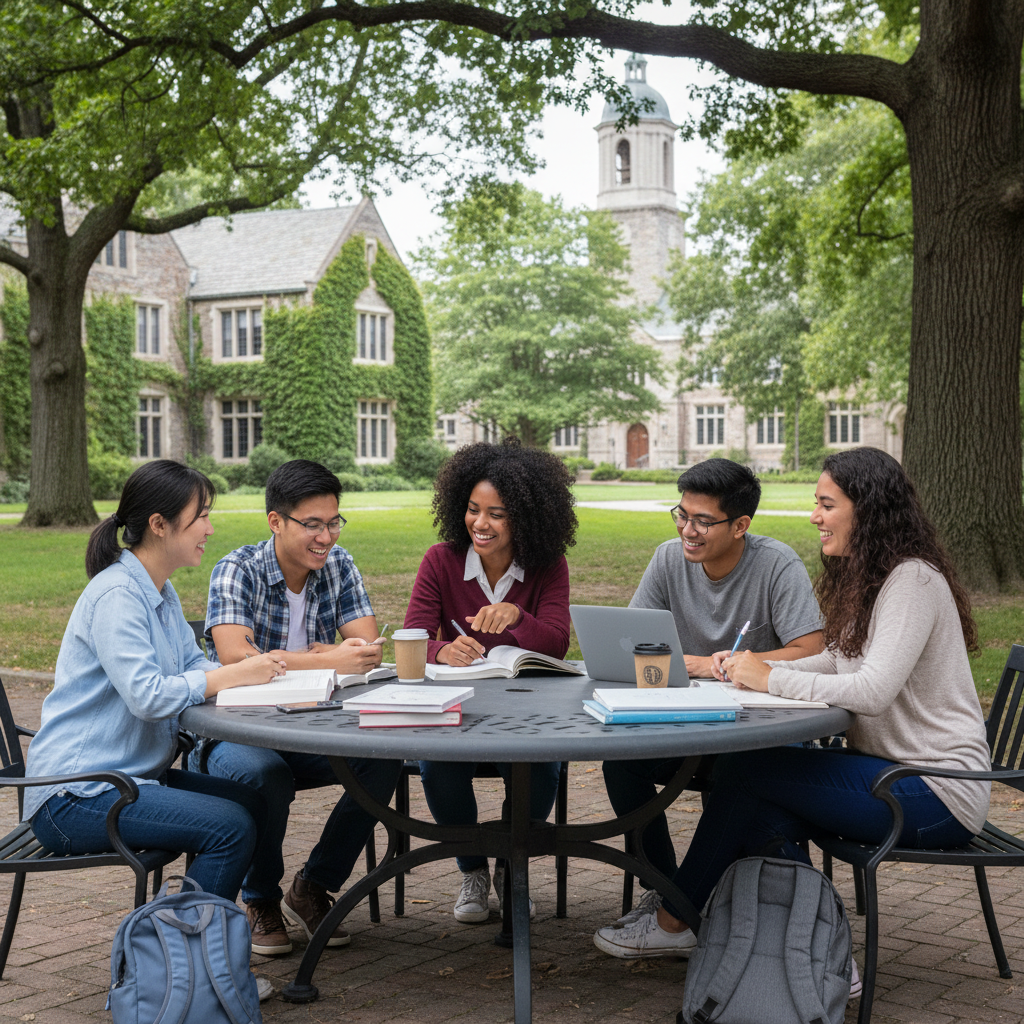
Former President Donald Trump said Monday that the United States will welcome 600,000 Chinese students to its universities and colleges, a potential thaw in the U.S.-China relationship that remains marked by tensions months after the end of his presidency.
In remarks at the White House, Trump addressed the issue of visa availability to foreign students from China as his administration wages a new trade war. “I hear so many stories that we’re not going to allow their students,” Trump said. “We’re going to allow their students to come in. It’s very important, 600,000 students. It’s very important. But we’re going to get along with China.”
Washington has long barred visas to many Chinese nationals, particularly those believed to be affiliated with the Chinese Communist Party or working in sensitive fields of research. In May, Secretary of State Marco Rubio signaled the Trump administration would “aggressively” revoke such visas. The announcement rattled universities in the U.S., which rely heavily on tuition payments from foreign students, particularly those from China.
The White House in June appeared to back away from its earlier remarks. Trump himself said that he was “always in favor of letting them come” and “loves” allowing Chinese students to attend universities in the United States.
Trump on Monday said that about 270,000 Chinese students are currently in the U.S., with the remaining 600,000 expected to be granted visas within a year. “The universities are going to love it, China is going to love it,” Trump said.
He added that any new restrictions on U.S.-China trade have the U.S. “winning like never before.” The Trump administration has, in recent months, applied sweeping tariffs on imports from China. Washington earlier this year announced a tariff of 145 percent on all Chinese goods, and Beijing responded in kind with a 125 percent levy on American exports.
After negotiators in Geneva reached a deal in May to stop adding new tariffs, Trump this month has mused on various tariffs. He said last week that he would like to levy a 200 percent tariff on magnets imported from China. “China, intelligently, went and they sort of took a monopoly on the world’s magnets,” Trump said. “It’ll probably take us a year to have them.”
Trump, in recent weeks, has also turned to reducing Chinese investments in the U.S. He signed an executive order in May banning investment in China by U.S. investors and said last week that he was “hard” on private investors going to China.” A federal judge blocked the executive order this month.
Chinese students are a major source of revenue for the U.S., with foreign students nationwide spending some $41 billion on tuition and related expenses annually. “The number one market for American higher education institutions, bringing in billions of dollars in tuition fees, is China,” The New York Times reported. “The latest number from the Institute of International Education is that 270,000 Chinese students were in the United States in the 2021-22 academic year. If the president has his way, that number could soon double.”
President Trump said that his administration had its eyes on Chinese students “long before” China. “China is a very big market,” Trump said. “We have great companies and tremendous demand.”
Trump, in recent days, has also suggested that he would not rule out a meeting with Chinese President Xi Jinping. “I would like to meet him this year,” Trump said Monday. “I would like to meet him. We have a great relationship. We get along very well. As you know, we’re taking a lot of money in from China because of the tariffs and the different things. It’s a very important relationship. It’s a much better relationship economically than it was before with Biden. But he allowed that. They just took him to the cleaners.”
Ahead of a Monday evening meeting with South Korean President Lee Jae Myung at the White House, Trump suggested that education from American universities would only benefit the world’s second-largest economy. “We have great universities,” Trump said. “China will love having a student come into our great universities. I’m sure they have great universities too, but I’m talking about our universities.”