- calendar_today August 12, 2025
Trump’s trade policies transform global trade and commerce, and this forces North Carolina and South Carolina businesses to design new coping mechanisms and reschedule strategies in uncertainty within the economy.
Trump’s changing trade policies are sparking major market changes throughout North and South Carolina, impacting essential industries such as manufacturing, farming, and retail. With the federal government continually adding tariffs and renegotiating global trade deals, companies throughout the Carolinas are adapting to increased costs and uncertainty. Throughout the corridor between Charlotte and Charleston, companies are carefully watching how the policy changes will impact their companies in the years ahead.
Manufacturing Experiences Increased Costs and Supply Chain Interruptions
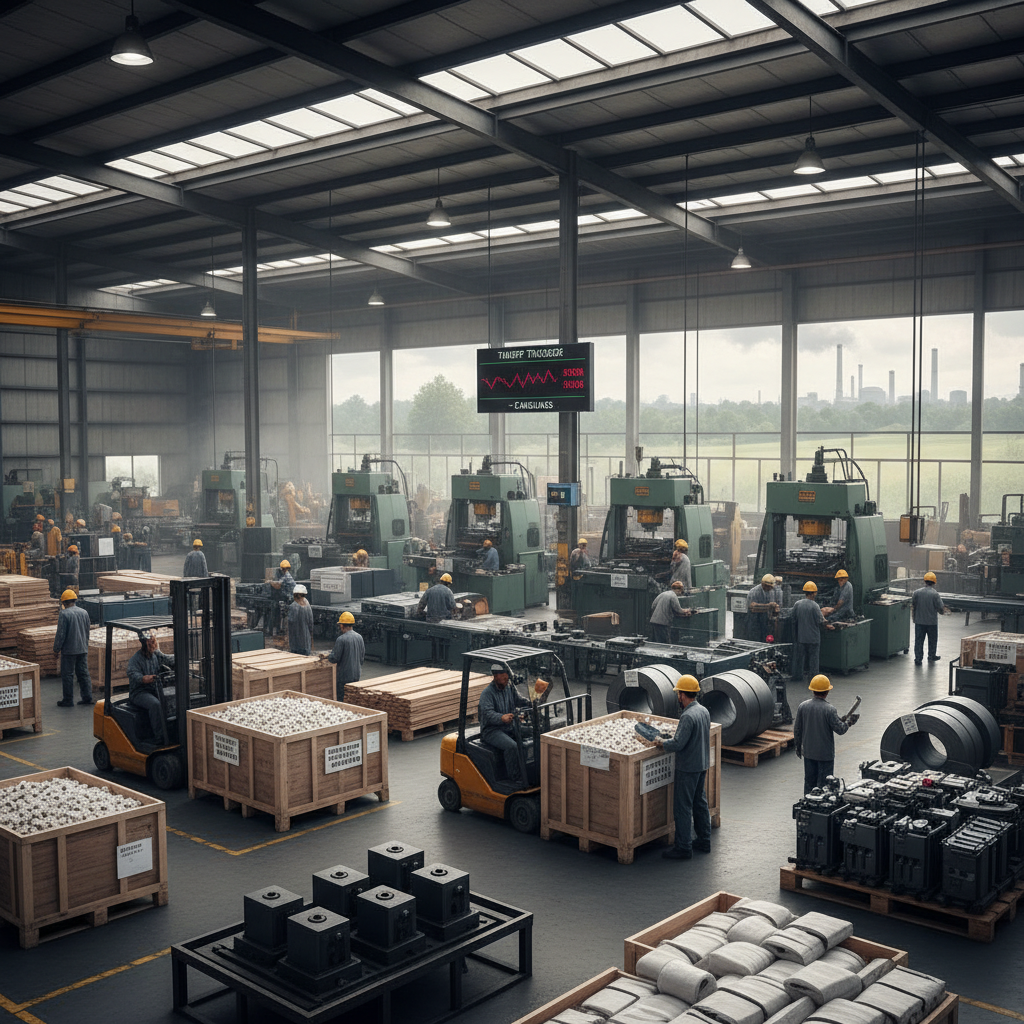
The manufacturing industry that serves as the economic backbone of the two states is suffering immediately because of Trump’s trade policies. Automotive, aerospace, and textile manufacturing, which are value-added sectors in the Carolinas, are all finding it difficult to handle the increasing costs because raw materials are imported on a tariffed basis.
North Carolina’s Research Triangle, which houses high-tech and pharma companies, also has the added pressures since Global strategic supply chains are increasingly complex. South Carolina’s motor industry, where BMW’s gigantic Spartanburg facility is located, has also had higher production costs due to tariffs imposed on steel and aluminum.
Agriculture Staggers with Export Uncertainty
Agriculture, the other pillar of Carolinas’ economy, is also impacted by changing trade policies. Both the states are top producers of tobacco, poultry, and soybeans, which are sensitive to trade.
Farmers in rural parts of North Carolina and South Carolina’s Lowcountry are seeing declining export markets as nations such as China retaliate with tariffs. Soybean farmers are particularly hit hard as international demand keeps shifting, lowering prices and placing economic pressures on family farms.
Even with the recent rollout of federal aid packages to support farmers hurt by trade tensions, local farm organizations contend that short-term measures are not enough to make rural economies sustainable.
Small Businesses Weather Economic Uncertainty
For small companies in the two states, Trump’s trade policies pose a specific challenge. Import-sensitive companies and retailers are being forced to rethink price strategies as the cost of imported goods rises.
Urban neighborhood businesses such as those in Greensboro, Columbia, and Raleigh are transferring more costs to the consumers, whereas others in local tourist spots such as Myrtle Beach are getting used to erratic supply chains.
Real Estate and Construction Industry Effect
The construction and real estate sectors, which are significant contributors to the Carolinas’ economy, are also feeling the effect of trade uncertainty. The rising cost of imported materials such as steel and lumber is increasing the cost of construction, both for residential and commercial projects.
Developers in expanding cities such as Charlotte and Charleston are experiencing increasing overhead expenses and extended development cycles, which may result in possible delays in new building. This trend could influence employment growth and housing supply throughout the area.
Financial Markets Watch Ongoing Shift
Banks and investment houses in North and South Carolina are closely monitoring the market effect of Trump’s trade policies. Market volatility has increased concerns about economic stability in the long run, especially among trade-sensitive industries.
Charlotte’s downtown financial center, a top-rated banking and commercial hub, is seeing banks and investment companies updating their risk reviews and investment options to respond to the uncertainties surrounding changing global trade agreements.
Political and Business Officials Urge Calm
Political officials and business interest groups throughout the Carolinas are crying out for trade policy certainty to usher in economic stability. State officials have worried that ongoing uncertainty will be detrimental to job creation and business investment.
Local business groups in both states stress the importance of a balanced trade policy that favors local industries while upholding good international relations. Their message is straightforward: predictability in trade policy is crucial to building a healthy business climate.
Looking Ahead: What’s Next for the Carolinas’ Economy?
As Trump’s trade policies continue to change, businesses in North and South Carolina need to remain on their toes. The biggest movers of the region’s future economy are:
Continuing Trade Negotiations: Domestic agriculture and manufacturing will be directly affected by USMCA and U.S.-China agreements.
Consumer Behavior: Consumer behavior spending patterns will influence performance in small business and the retailing industry.
Infrastructure Investments: Transportation and infrastructure construction, vital to economic expansion, can be influenced by future policy changes.
Though no one can predict what will happen tomorrow, the diversified and resilient economy of North and South Carolina prepares this region well for navigating through dynamics of a fast-evolving global trade landscape.