- calendar_today August 10, 2025
From Carolinas’ Ports to Farms and Factories: How 2025 Tariffs Are Transforming Investment Strategies in the Southeast
In 2025, the United States imposed aggressive tariffs—including a 104% duty on Chinese imports and a 25% tariff on automobile imports from multiple countries (Reuters, April 3, 2025). For North and South Carolina, states built on exports, ports, agriculture, and advanced manufacturing, the effects are proving immediate and far-reaching.
By the following morning, Wall Street had lost over 2,200 points, the S&P 500 nearly 10%, and investor confidence across the Southeast dipped sharply (The Guardian, April 5, 2025).
A Trade War Reignited
The U.S. tariff wave unleashed retaliatory measures from trading partners. Canada implemented a 25% tariff on U.S. auto exports, while China responded with a 34% tariff on all American products (AP News, April 4, 2025).
“We will not be blackmailed,” said a spokesperson from China’s Ministry of Commerce. “If the U.S. escalates, we will respond in kind.” — Reuters, April 4, 2025
Where the Carolinas Are Feeling the Pinch
1. Ports and Manufacturing
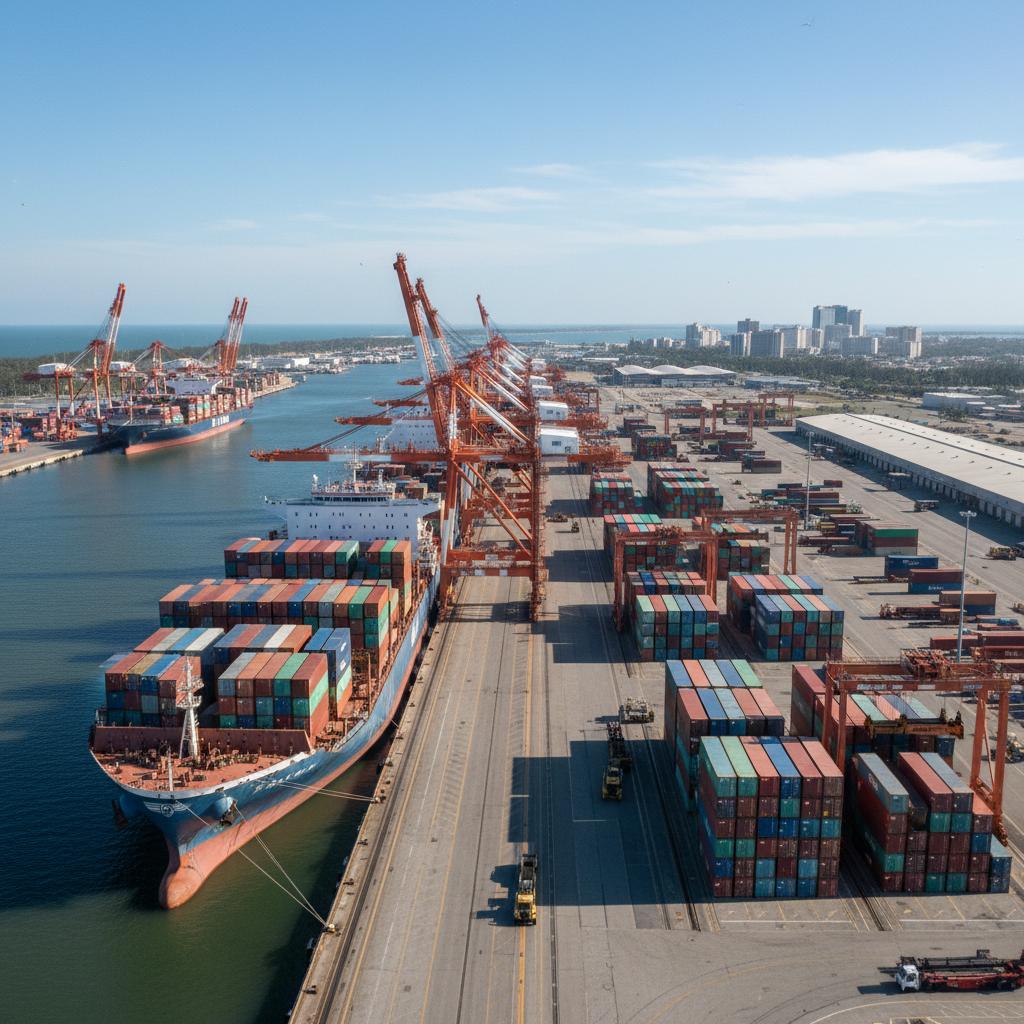
The Port of Charleston and Port of Wilmington, vital to the Carolinas’ export-import logistics, are already seeing delays, reduced volumes, and increased costs due to retaliatory tariffs and global supply chain adjustments.
Manufacturers in the Carolinas—from BMW’s plant in Spartanburg, SC to Caterpillar operations in NC—are facing increased input costs due to the 25% tariffs on imported automotive and machinery parts.
“Charleston is seeing unusual hold-ups on container unloads,” said a logistics analyst based in Columbia. “That’s causing ripple effects across regional supply chains.”
2. Agriculture & Raw Commodities
From soybeans in North Carolina’s Piedmont to poultry and cotton in South Carolina’s Lowcountry, agriculture is central to both states. The 34% Chinese tariff on U.S. agricultural products has dampened international demand and slashed export margins.
The USDA’s 2025 export forecast stands at $170.5 billion—better than 2024 but significantly lower than pre-tariff averages (USDA Outlook Report, March 2025).
“China used to be a major buyer,” said a soybean grower in Goldsboro, NC. “Now we’re stuck with a surplus and shrinking options.”
3. Automotive and Consumer Goods
The Carolinas are no strangers to the auto sector. BMW’s Spartanburg facility—the largest BMW plant in the world—is now adjusting operations due to a potential sales slump. AutoForecast Solutions predicts a drop of 2 million vehicle units across the U.S. in 2025 (Reuters, April 7, 2025).
Meanwhile, local retailers in Charlotte and Greenville are reporting higher consumer prices on electronics and import-heavy categories like furniture and household appliances—many of which pass through Carolina ports.
Investor Sentiment in the Carolinas: Watching and Waiting
After the tariff announcements, the Dow plunged 2,200 points, while the S&P 500 dipped toward bear market territory. The NASDAQ also continued its downward trend, affecting portfolios throughout the Carolinas (Bloomberg, April 8, 2025).
Gold prices rose by 1% to $3,010.39 per ounce as Southern investors leaned into safe-haven assets (Reuters, April 9, 2025).
“We’re seeing pullback from riskier positions,” said Erin Simmons, strategist at JPMorgan Asset Management. “Capital is waiting on policy clarity.”
Short-Term Disruption, Long-Term Possibility
The Carolinas may face near-term inflation—from smartphones in Raleigh to farm equipment in Florence—but economists note potential upside. If reshoring trends take hold, the Southeast could benefit from investment in domestic production and supply chain relocation.
“We’re positioning ourselves as a regional hub,” said an economic development official in Charleston. “Tariffs may hurt now, but we’re preparing for the long game.”
What Carolina Investors Should Focus On
With strong sectors in agriculture, manufacturing, energy, and port logistics, the Carolinas must re-evaluate investment strategies in response to ongoing tariff pressure.
Investor trends show:
- Increased interest in domestic infrastructure and manufacturing
- Renewed investment in agribusiness and farmland
- Conservative exposure to global tech and import-dependent retail
- Rising focus on renewable energy and regional logistics networks
Agility, local sector knowledge, and real-time policy tracking may prove critical for Carolinian investors navigating this new economic terrain.
Stay ahead in the Carolinas. Subscribe to our newsletter for weekly insights, trade analysis, and regional investment strategies driven by today’s evolving global trade landscape.