- calendar_today August 28, 2025
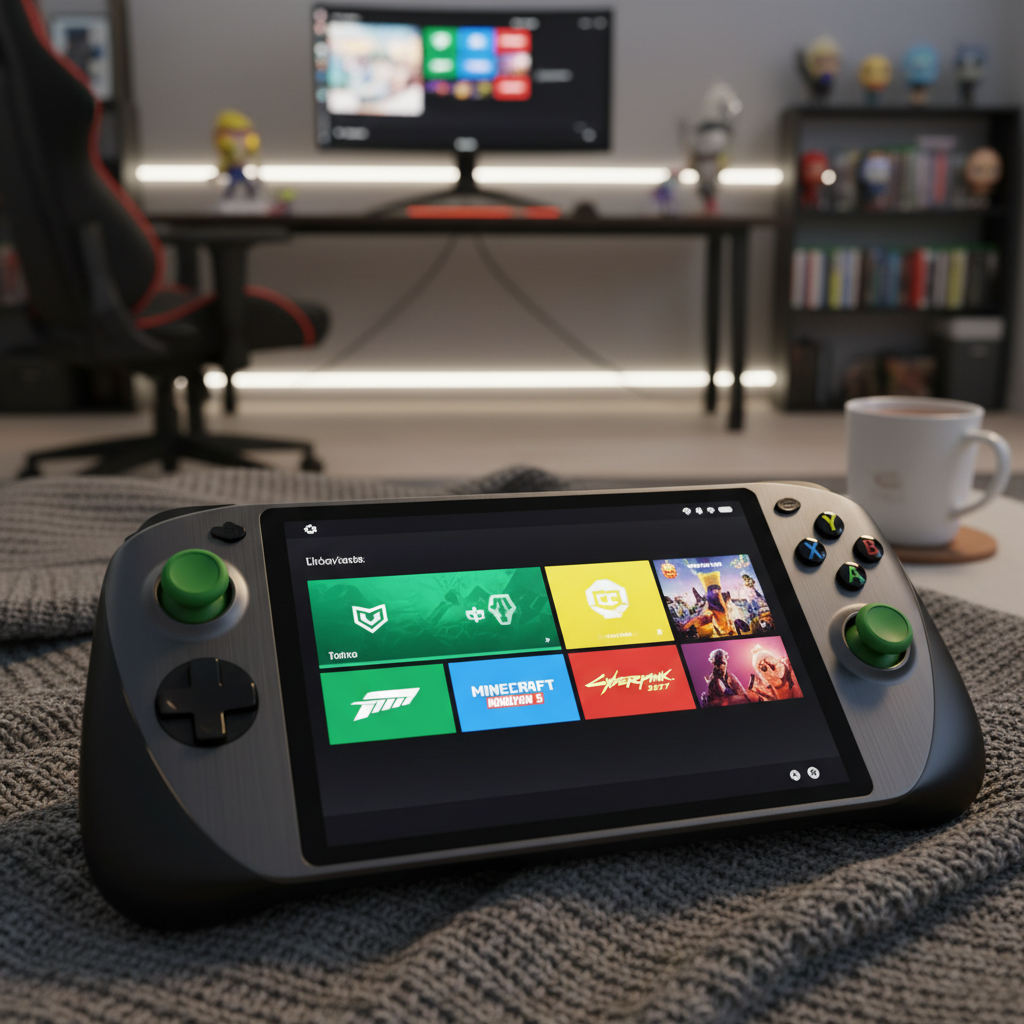
Microsoft is making a significant move into portable gaming with its new Xbox-branded user interface which enhances the experience of playing PC games on handheld devices. The ROG Xbox Ally will introduce this new UI upon its release which Microsoft created through a partnership with Asus.
Microsoft is changing its strategy for developing handheld gaming devices. Until this point Valve’s Steam Deck with its SteamOS Linux system has dominated the handheld gaming market. SteamOS depends on Proton to run Windows games on Linux but has gained popularity despite its shortcomings which shows consumers want a Windows substitute in this sector.
Now, Microsoft is attempting to offer the best of both worlds: Microsoft strives to deliver Windows flexibility through a console-like interface that supports handheld gaming.
Windows Gets a Handheld Makeover
The redesigned Xbox UI eliminates the standard Windows desktop and taskbar and introduces a tile-based full-screen layout designed to work optimally with both controllers and touchscreens. This new interface combines elements from the Nintendo Switch with features from the Xbox dashboard.
Microsoft has not formally connected this interface to its 2022 internal “Windows Handheld Mode” project but the resemblance between them stands out. The previous initiative detailed Windows’ limitations for handheld devices through issues like poor touchscreen experience and inadequate controller support while recommending a simplified operating mode to overcome these problems.
Microsoft plans to release the new UI initially on the ROG Xbox Ally before expanding it to additional Ally models and Windows handhelds in 2025.
Saving Resources, Boosting Performance
The new Microsoft interface delivers technological benefits beyond aesthetic enhancements. The company reports that this solution results in RAM savings of a couple of gigabytes because it removes the requirement to operate the standard Windows UI as a background process. The new system requires less power which leads to longer battery life which is crucial for handheld gaming devices.
Past systems needed to operate full Windows together with Asus’ Armoury Crate to manage game initiation and configuration settings. Additional software usage resulted in performance degradation. The Xbox UI provides users with a gaming-focused clean interface that eliminates additional features.
The conventional Windows desktop remains available despite these changes. Users are able to choose to return to Windows at any time to maintain full access to its capabilities for work or non-gaming activities.
Valve’s Head Start with SteamOS
Valve has spent years refining its handheld gaming experience with both the Steam Deck and SteamOS. SteamOS expands its user base even though it supports only Proton-compatible games or those built for Linux natively. All developers have been working to enhance both compatibility and performance throughout their software portfolios.
Non-Valve hardware such as Asus’ ROG handhelds now support SteamOS. The advancements in Proton and Wine enable users to access a wider variety of Windows games without requiring a Windows operating system.
Users have not abandoned their Windows PCs en masse but Linux desktop adoption has grown steadily to reach over 4% global usage for the first time during the last year. Microsoft’s historical dominance faces a challenge due to this incremental change which relied on the company’s promise of universal compatibility.
Microsoft’s Late but Necessary Response
Microsoft exhibited a considerable delay in tackling this market development. Steam Deck received little attention as a competitor when it first entered the market. Microsoft was prompted to react after Valve achieved success. The company dedicated most of its recent years to AI and security endeavors at the expense of gaming hardware innovation.
The updated Xbox UI represents Microsoft’s strategic shift. Microsoft has recognized the growing popularity of handheld gaming devices that provide console-like experiences in portable devices. Microsoft aims to satisfy gamers by developing a resource-efficient and user-friendly UI that transforms Windows handhelds into devices genuinely designed for gaming instead of business tasks.
It is yet to be determined if this strategic step will enable Microsoft to stand up against SteamOS. Microsoft has officially started paying attention to the expanding handheld gaming market. The company has finally prepared itself to become an active player in this market arena.