- calendar_today April 28, 2026
Student-Centric Approaches vs. Traditional Methods: A Comparative Study
Think back to your own educational experience. Were you ever left feeling like just another number in a classroom? If so, you’re not alone. The interaction between teaching methods and student engagement is crucial, and today, there’s a remarkable shift towards student-centric approaches in education that promise to deliver a more personalized experience compared to traditional methods. In this article, we’ll dive deep into the nuances of student-centric teaching approaches versus traditional educational methods, exploring their key differences, advantages, and challenges.
Understanding Traditional Educational Methods
Traditional methods often emphasize a one-size-fits-all approach to teaching. Students are typically seen as passive recipients of knowledge in a lecture-style format, where the teacher controls the flow of information and the classroom environment. This style can be efficient for covering large amounts of material, but it has significant drawbacks.
Characteristics of Traditional Methods
- Lecture-Based Learning: Information is predominantly delivered by the instructor, often making students mere listeners.
- Standardized Testing: Success is frequently measured through standardized tests, which may not accurately reflect a student’s understanding or capabilities.
- Fixed Curriculum: The curriculum is often rigid, leaving little room for adaptation based on students’ individual needs or interests.
While traditional methods can create a structured learning environment, they often fail to accommodate diverse learning styles and may disengage students who don’t thrive in this setting.
Exploring Student-Centric Approaches
In contrast, student-centric approaches focus primarily on the needs, interests, and strengths of students, transforming them from passive learners into active participants. This methodology embraces a more interactive and flexible educational environment.
Key Features of Student-Centric Learning
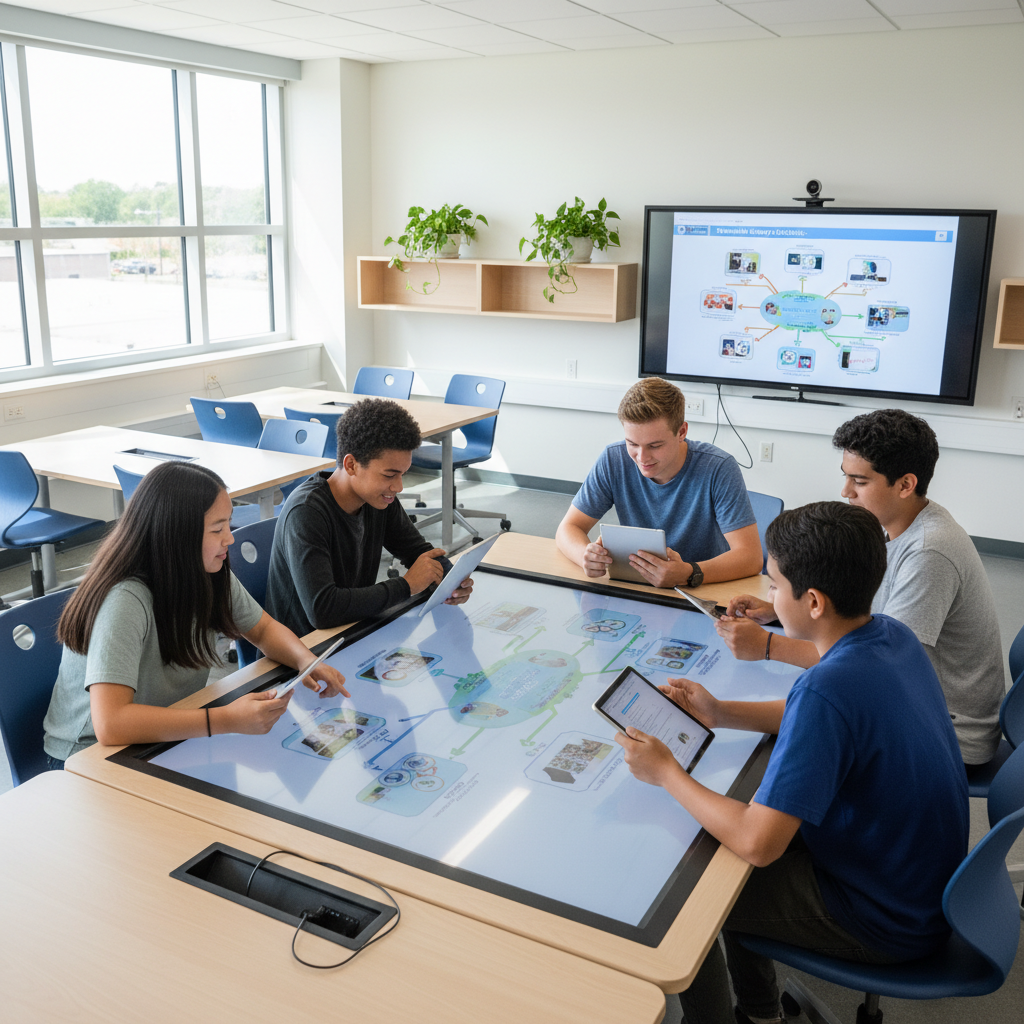
- Active Participation: Students are encouraged to engage in discussions, debates, and group work, allowing them to take ownership of their learning.
- Personalized Learning Paths: Instruction is tailored to fit the individual needs of each student, often incorporating diverse resources and methods.
- Continuous Assessment: Unlike traditional testing systems, student-centric models often employ formative assessments that provide real-time feedback for improvement.
Research shows that engaging students actively can enhance their motivation and retention of information, which is particularly crucial in today’s fast-paced world.
Comparing Effectiveness: Outcomes in Each Methodology
Academic Performance
When it comes to academic outcomes, studies have shown that student-centric approaches can lead to higher levels of understanding and retention. For example, a report from the National Center for Education Statistics found that students who engaged in collaborative projects performed better on assessments than those in traditional lecture classes. This suggests that active learning fosters deeper comprehension, which is essential for applying knowledge in real-world contexts.
Student Engagement and Motivation
One of the starkest contrasts lies in student engagement. Traditional methods often lead to what educators call the “boredom syndrome,” where students feel unmotivated and disconnected. In contrast, student-centric approaches have been linked to higher levels of enthusiasm and intrinsic motivation.
Consider a case study from TAIE International Institute, where transitioning to a more student-centric curriculum resulted in a significant increase in student attendance and performance. The shift allowed students to pursue projects that genuinely interested them, leading to a more vibrant learning community.
Challenges Faced by Each Approach
Challenges of Traditional Methods
Despite its long-standing prevalence, traditional education faces significant criticisms. A major hurdle is its inability to address diverse learning styles effectively. Additionally, the reliance on rote memorization can lead to shallow learning, preventing students from developing critical thinking skills.
Issues in Implementing Student-Centric Approaches
While incredibly beneficial, student-centric methods are not without their challenges. Teachers often face difficulties in managing personalized learning paths due to the additional time and resources required. Furthermore, some educators may struggle to adapt to this more fluid teaching style, which can create resistance in the classroom.
The Role of Technology in Education
Technology has massively influenced both traditional and student-centric teaching methods. Online platforms, learning management systems, and collaborative tools have made it easier for educators to implement student-centric approaches. For instance, tools like Google Classroom or Zoom enable interactive and participatory lessons even in a remote setting.
Benefits of Technology
- Accessibility: Technology allows access to a wealth of resources and learning materials that can be customized according to student needs.
- Collaboration: Tools enable collaborative projects, breaking down geographic barriers.
- Flexible Learning: Online platforms provide students with the flexibility to learn at their own pace.
Concluding Thoughts: Bridging the Gap
The transition from traditional methods to student-centric approaches is not merely about adopting new teaching styles; it’s about reshaping the educational landscape to prioritize student needs and aspirations. Both methodologies have their merits, but as educational practices evolve, embracing a more student-centric approach can significantly enhance learning outcomes and student satisfaction.
As you reflect on your own learning experiences, consider what aspects of education resonate most with you. Are you advocating for a more personalized approach, or do you see value in structured traditional methods? The future of learning could well depend on our ability to bridge these two worlds.