- calendar_today August 28, 2025
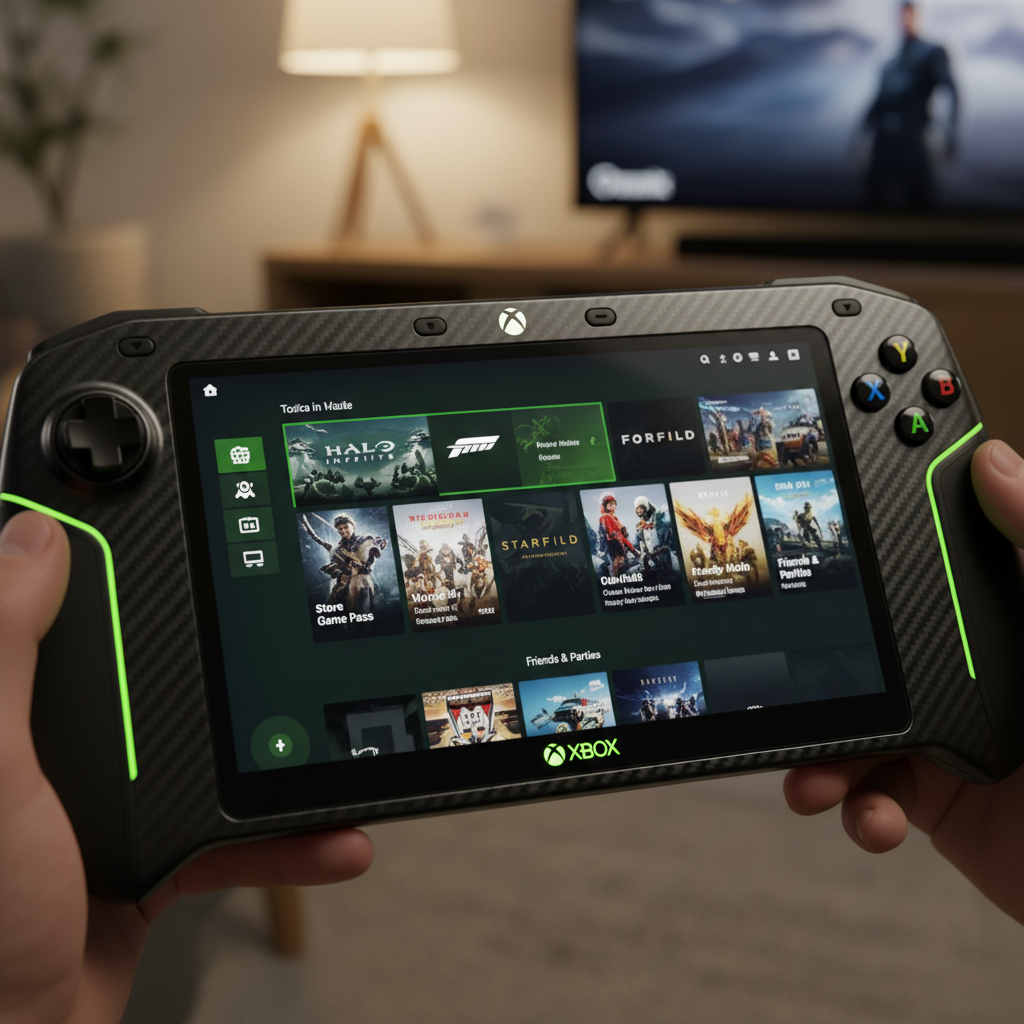
Microsoft is venturing into the handheld gaming space with a new Xbox-branded user interface that simplifies gaming PC titles on portable devices. The ROG Xbox Ally, which is a Windows-based handheld gaming device, will launch this newly developed UI that Microsoft created together with Asus.
Microsoft is changing its strategy for handheld gaming. The handheld gaming market has been controlled by Valve’s Steam Deck which operates using SteamOS built on Linux so far. SteamOS depends on Proton which permits Windows games to run on Linux yet it attracts users despite these constraints showing that people want an alternative to Windows for gaming.
Now, Microsoft is attempting to offer the best of both worlds: The handheld console interface combines Windows’ flexible system capabilities with a user-friendly design meant for portable gaming.
Windows Gets a Handheld Makeover
The updated Xbox UI swaps the classic Windows desktop and taskbar for a tile-based full-screen display that works well with both controllers and touchscreens. This new interface merges the design aspects of the Nintendo Switch interface with the Xbox dashboard.
Microsoft remains silent on any direct connection between this interface and its 2022 internal “Windows Handheld Mode” project despite their obvious resemblances. The preliminary work highlighted Windows’ deficiencies for handheld devices including poor touchscreen response and insufficient controller functionality and proposed a streamlined mode to fix these problems.
The new UI will launch with the ROG Xbox Ally as the first device but Microsoft plans to expand it to additional Ally models shortly before extending its release to other Windows handhelds in 2025.
Saving Resources, Boosting Performance
Microsoft’s new interface delivers technical advantages beyond its visual design. The company reported that the system conserves several gigabytes of RAM because it removes the necessity of operating the standard Windows UI in the background. The Xbox UI reduces power consumption which results in longer battery life while operating handheld gaming devices.
The standard ROG Ally needed to operate full Windows alongside Asus’ Armoury Crate applications to manage both game launching processes and settings. The additional software requirements diminished system performance. The Xbox UI delivers a streamlined gaming interface free from unnecessary components for users.
The standard Windows desktop interface will continue to exist. Users can return to Windows manually as required to maintain its complete ability to handle work-related tasks or any other non-gaming applications.
Valve’s Head Start with SteamOS
SteamOS and Steam Deck benefited from Valve’s years of development to create a polished handheld gaming experience. SteamOS continues to grow in popularity while operating solely with games that function through Proton or those specifically built for Linux systems. Across all platforms developers have made improvements to both compatibility and performance levels.
SteamOS has expanded beyond Valve products and now runs on additional hardware platforms including Asus’ ROG handheld devices. Users now have the ability to play a wider variety of Windows games on non-Windows systems as Proton and Wine technology advances.
The transition away from Windows PCs remains minimal but Linux desktop usage experienced steady growth and crossed the 4% global usage mark for the first time in the previous year. Microsoft’s historical market control faces challenges as the industry slowly moves away from Windows due to universal compatibility promises.
Microsoft’s Late but Necessary Response
The extent to which Microsoft has postponed its response to this trend has been remarkable. At the launch of the Steam Deck it didn’t appear to be a formidable rival. The achievements of Valve prompted Microsoft to take action. The company allocated most of its recent years to developing AI and security systems which restricted its ability to innovate gaming hardware support.
The recent release of Xbox UI indicates Microsoft is shifting its strategy. The new Xbox UI demonstrates Microsoft’s recognition of growing handheld gaming popularity and the demand for portable console-style experiences. Microsoft’s development of a resource-efficient and user-friendly UI could finally fulfill gamers’ requests for a handheld Windows device optimized for gaming instead of spreadsheet work.
The effectiveness of Microsoft’s strategy to rival SteamOS has yet to be determined. Microsoft has moved past its previous oversight of this expanding market segment. Microsoft has moved beyond a passive role to become an active participant in the handheld gaming market.