- calendar_today August 29, 2025
With slowing inflation rates, North and South Carolina are witnessing transformations in local economies, job markets, and business confidence.
Over the past year, inflation has taken center stage in the economic conversation — and for good reason. Households have felt the pinch at the grocery store, at the gas pump, and across nearly every corner of their budgets. But now, there’s a shift happening. Inflation is cooling, and the economic winds in North and South Carolina are starting to change.
Throughout both states, a feeling of guarded optimism is taking hold. Companies are taking a deep breath, families are revising spending budgets, and local officials are girding for a more stable economy. So what’s actually happening on the ground — and how will this new era of the economy affect the Carolinas?
A Long-Awaited Break from Price Surges
As 2022 and 2023 unfolded, inflation struck the South particularly hard. Increased energy prices, housing squeezes, and international supply chain problems pushed prices higher, from food and furniture to every consumable in between. For people living in North and South Carolina, it meant reduced disposable income and lower monthly budgets.
But in 2025, the picture is finally shifting. Inflation is easing — slowly but surely. Prices are leveling off, and some categories such as energy and durable goods have even dipped slightly. For the average consumer, this has translated into a little more room to breathe.
How Families Are Reacting
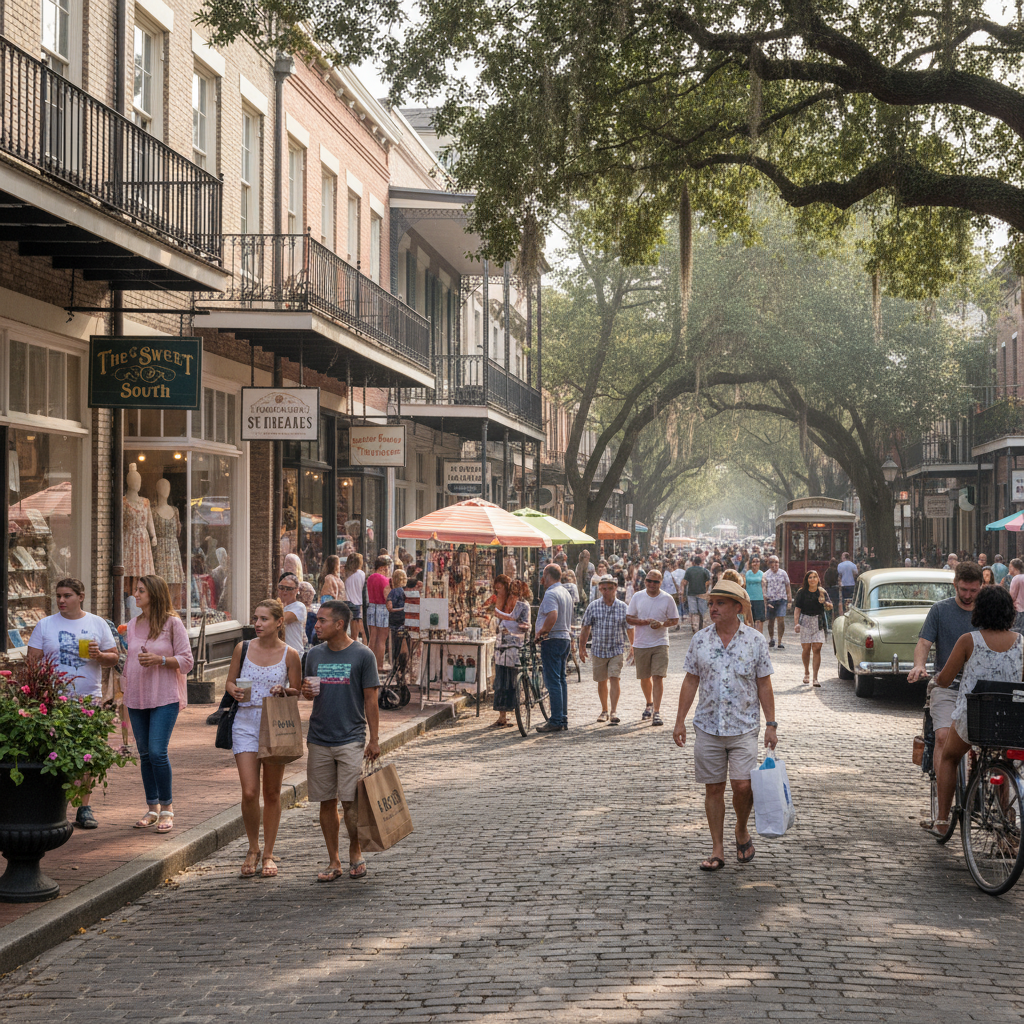
For working-class families in Charlotte, Raleigh, Charleston, and Greenville, the effect is real. Food bills remain high relative to pre-pandemic prices, but they’re no longer skyrocketing from week to week. Gas prices have stabilized, providing relief for commuters and road travelers. Rent hikes are slowing, and some utilities have paused after years of steep hikes.
Most importantly, consumer confidence is coming back. Folks are feeling a little less pessimistic about their pocketbooks. They’re purchasing new appliances once more, eating out a little, and planning vacations. The psychological cost of inflation is decreasing as the figures are.
Business Sentiment on the Upswing
Small companies in the Carolinas are starting to experience it too. Restaurants, retailers, and services that had a hard time handling high costs of inputs now see some breathing room. Supply chains flow more smoothly, shipping expense has decreased, and wages, although still increasing, are more stable.
Entrepreneurs are optimistically guarded. Some of them are hiring again, and others are making reinvestments in their businesses — something they put off when costs were soaring. In tourist economies such as Asheville and Myrtle Beach, traffic is trending upward and seasonal employment is better.
Industrial centers in both states are also gaining traction, boosted by consistent demand and a more stable economic forecast. This predictability makes it easier for companies to plan ahead — and when companies plan, they hire, grow, and innovate.
Real Estate: Cooling, Not Crashing
The real estate market in both states has been on fire the last few years, but it’s cooling a little now because of rising interest rates and inflation fatigue. But this is not a crash — it’s a reset. Prices are holding fairly steady in big metros, while smaller towns are growing slower, not plummeting.
For consumers, this is welcome news. Increased inventory, slightly decreased competition, and stable prices are making it a more advantageous time to buy. Sellers, in turn, are readjusting their expectations. It’s a better-balanced market than it’s been in years.
Rental costs are stabilizing as well. This benefits renters on both states, particularly younger adults and low-income families who have suffered the most from the inflation peak.
Job Markets Hold Strong
North and South Carolina remain to have robust employment figures. Industries such as healthcare, logistics, construction, and technology are creating jobs. Unemployment levels are low, and wage increases, while decelerating, are still higher than pre-pandemic levels.
Specifically, North Carolina’s Research Triangle remains a draw for giant tech and biotech companies, while South Carolina’s ports and automotive sectors are healthy. With its economy stabilized, these sectors are well-positioned to continue to expand in the second half of 2025.
Challenges Still Linger
Not everything is sweet, of course. Some prices — particularly healthcare and insurance prices — continue to be stubbornly elevated. Rural areas continue to have restricted job opportunities and access to housing at affordable prices. And for consumers who accumulated debt during the period of high inflation, catching up takes longer.
In addition to this, global uncertainties, geopolitical tensions, and forthcoming interest rate moves might influence things in another direction. The Fed remains undecided, and any sudden inflation surges might nudge borrowing costs higher once again.
Looking Ahead
For the time being, at least, the Carolinas are in good shape. Inflation is slowing, companies are steadying, and households are settling into a groove again. It’s not a boom of epic proportions, but it’s a good, sustainable rate — one that most economists assert is best for long-term prosperity.
The combination of robust industry, population increase, and pro-business policies in the region has placed it in a good position to ride out storms and grasp new opportunities. With inflation managed, North and South Carolina are poised to enter the second half of 2025 on firm economic footing.
Conclusion
As inflation slows, North and South Carolina are seeing a subtle but significant economic change. From consumer confidence to job creation, the signs are encouraging. Though challenges exist, the deflating inflation pressure is paving the way for sustained growth — and renewed economic optimism throughout the region.