- calendar_today August 29, 2025
California, long the economic engine of the United States, is at last catching its breath. Following years of economic hardship precipitated by the COVID-19 outbreak, supply chain problems around the world, and spiking prices, California’s economy is again starting to hum — and falling inflation is a big reason why.
The Golden State has experienced steady price pressure in recent years, with daily commodities, gasoline, housing, and labor costs pushing budgets to the limit. But now, as inflation slowly recedes, consumers and enterprises alike are starting to feel some relief. From Silicon Valley’s tech industry to small enterprises in Los Angeles, optimism is tentatively making a return.
A Turning Point for Consumers
For Californians, the relief of inflation means something simple but potent: predictability. Food prices aren’t increasing so sharply. Gas is cheaper. Even rent hikes, although still difficult, are easing in some cities. This change is increasing consumer confidence — an essential ingredient for a healthy economy.
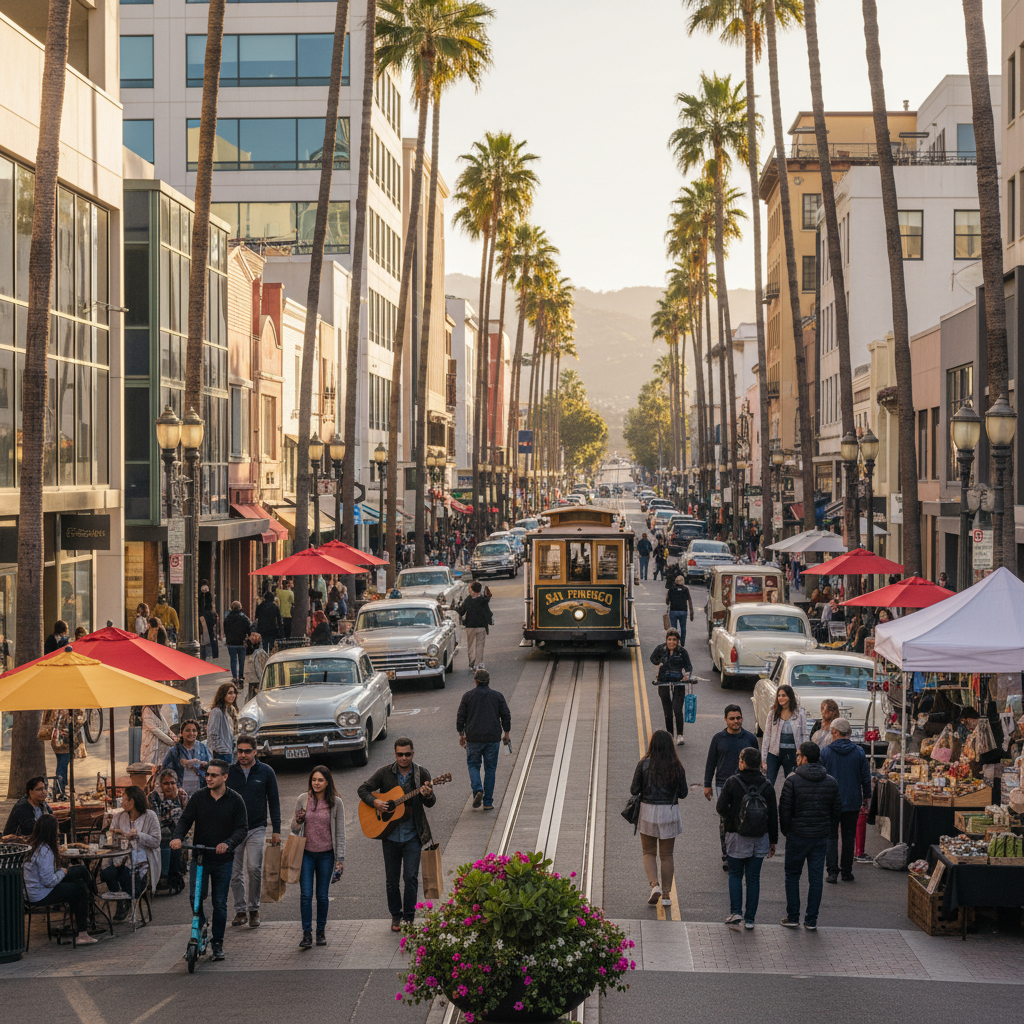
Californians are gingerly going back to consumption patterns that were restrained by economic instability. Restaurants are becoming crowded again. Consumers are noticing better sales. Travel and tourism, a crucial sector of the state economy, are thriving as domestic and foreign travelers flood back.
Tech and Innovation Back on the Rise
California’s tech sector — usually the bellwether for the nation’s economy — is also making its comeback. Following a wild period of layoffs and market realignments, businesses are hiring again, spending on research and development, and accelerating innovations in AI, green energy, and biotechnology.
Silicon Valley is humming once more. Startups are managing to get funded slightly more easily as investor sentiment improves. Bigger tech companies are shifting their plans to fit a more settled economic mood. Reckless spending may be over, but strategic expansion is back in the cards.
The Real Estate Picture: Still Complex
Even as inflation slowed, California’s real estate market continues to be among the priciest in the country. House prices persist to be high, and affordability remains a top concern, particularly for first-time homebuyers. Nevertheless, price growth is decelerating, and more homes are entering the market.
For tenants, declining inflation has not yet resulted in epic rent cuts, but it has served to steady prices in most locations. And with builders resuming stalled construction projects, there is guarded optimism that the supply-demand disbalance could improve slowly.
Job Market Showing Resilience
Work throughout California has also held up. Unemployment levels have leveled off, and sectors such as hospitality, health care, and logistics are seeing steady demand. Although the tech industry layoffs of the last year made headlines, other sectors expanded quietly.
One of the brighter indicators is the return to employment of those workers who left the labor market previously. Due to caregiving needs, burnout, or opportunity shortages during periods of peak inflation, many of these workers have now returned to jobs with improved wages and benefits.
Small Businesses Benefit
For small business owners, the relief on inflation is a welcome change. Exorbitant raw materials, utility, and wages prices had squeezed margins to unsustainable levels. Now, as costs normalize, many are finally able to see the opportunity to reinvest in their companies — whether it be hiring, advertising, or investing in technology.
In neighborhoods across California, from San Diego to Sacramento, mom-and-pop shops are rebuilding. Local coffee shops, salons, and service providers are seeing foot traffic return. For these entrepreneurs, inflation easing isn’t just a statistic — it’s a signal that survival might finally give way to growth.
Still Cautious, Still Waiting
Though the positive indications, many Californians are not yet ready to party. The recent memory of economic whiplash still lingers and there’s a widespread perception that the path to complete recovery stretches on. Interest rates are high, the international economy is volatile, and the housing crisis isn’t over yet.
In addition, inflation is slowing but hasn’t turned around. Prices are leveling off — not decreasing — and that makes a difference to families still playing catch-up after years of rising prices. Wages have risen in certain industries, but not by enough to counteract years of increased cost of living.
What Comes Next?
If prevailing trends continue, California may be entering a more equilibrium-oriented economic cycle — one in which inflation is tame, growth is moderate, and consumers are emboldened once more. Everything hangs in the balance, however, on world events, federal interest rate policy, and the capacity of state leaders to tackle vexing issues such as housing, climate issues, and infrastructure.
What’s certain, though, is this: California is evolving. The state is finding ways to thrive in a post-pandemic, post-surge-of-inflation world. Its economy, driven by innovation and diversity, is beginning to regain its resilience. And for the state’s millions of residents, that’s hope.