
- calendar_today August 24, 2025
In 2025, North and South Carolina’s textile industries are confronted by increasing threats as the region deals with a cotton supply crisis, as well as increasing concern regarding the Generalized System of Preferences Plus (GSP+) trade status. As one of the oldest and most important components of the Southern economy, the textile industry in these two states is observing closely—because the choices that they make at this time could define their future for years to come.
The Carolinas: A Textile Powerhouse
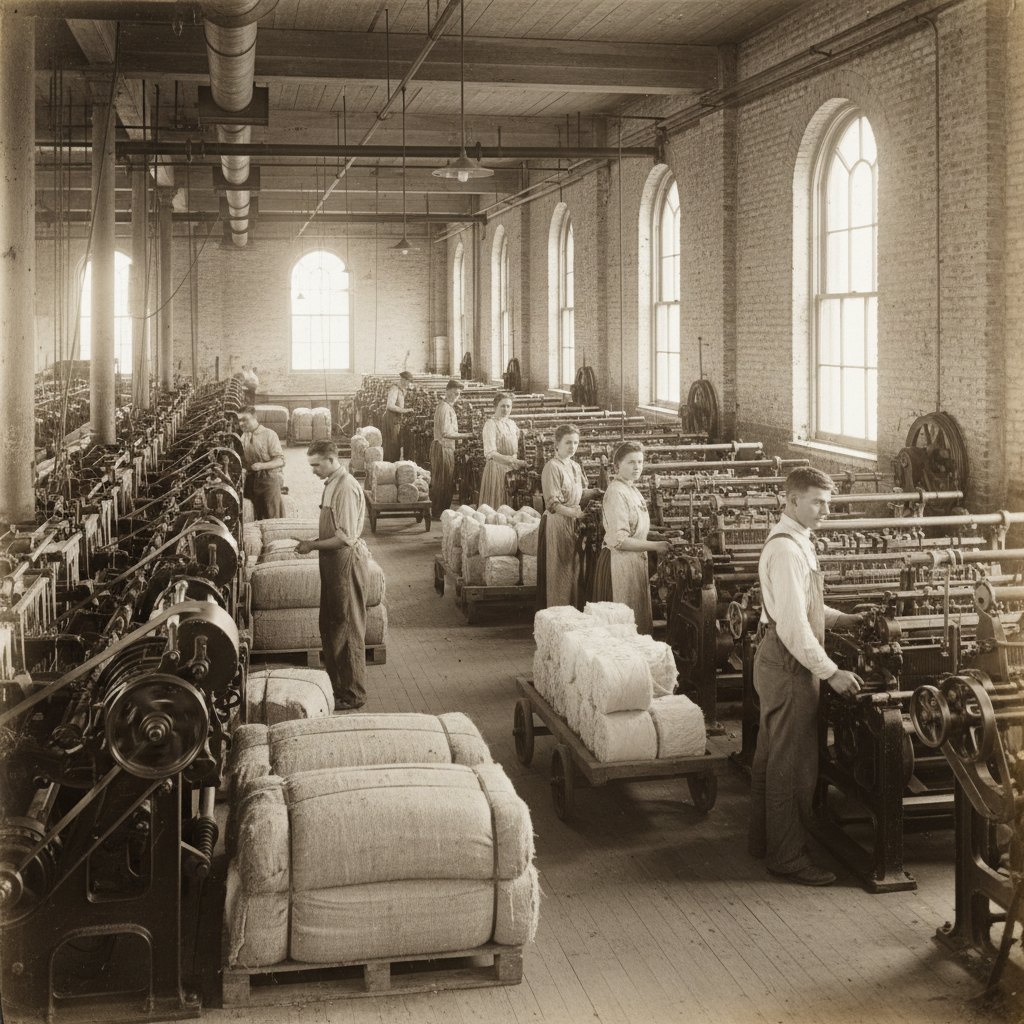
The Carolinas have been the epicenter of textile manufacturing in America for decades. Towns throughout both states depend on mills, garment manufacturing plants, and cotton gins for jobs and revenue. Though many industries have risen and fallen, textiles continue to be a major force in cities such as Greenville, SC and Charlotte, NC.
Despite international competition, domestic companies have remained competitive through the fusion of American ingenuity with low-cost imports. But such a fine balance is now threatened.
Cotton Crisis Hits Home
The Carolinas’ textile industry relies on cotton as its backbone. But abnormal weather conditions in 2024 and early 2025 have resulted in substantial disruptions. Heatwaves, droughts, and storms have reduced cotton yields throughout the southern United States, driving up prices and curtailing supply.
While North and South Carolina are not the top cotton producers themselves, they rely on cotton grown in neighboring states like Georgia, Alabama, and Texas. With those regions struggling, local manufacturers are facing delays, price hikes, and lower profit margins.
“We’ve seen cotton prices jump nearly 20% since January,” says Paul Jenkins, a textile plant manager in Spartanburg. “We’re either paying more or waiting longer—and both are bad for business.”
Why GSP+ Status Is Important
In order to compensate for deficiencies in domestic cotton supply, numerous textile companies import raw cotton and finished fabrics from abroad. The GSP+ trade program enables the U.S. to bring in products from some developing nations without imposing tariffs.
These nations, including Sri Lanka, Pakistan, and Bangladesh, ship enormous quantities of cotton cloth to the American textile sector under this scheme. Imports would be more costly in the absence of GSP+, which may make it more challenging for small- and medium-sized U.S. producers to compete.
In 2025, many of those nations are facing increased fears that they will lose GSP+ status for failing to address labor rights or environmental concerns. If that occurs, the Carolinas’ textile companies will begin seeing increased import prices at the very moment the price of cotton is high.
A Double Blow to Small Businesses
For businesses in South and North Carolina, the tandem of a shortage of cotton and potential GSP+ changes poses a significant threat.
“We already have thin margins,” says Laura Thompson, who owns a family-owned clothing store in Raleigh. “If we’re going to have to pay tariffs and pay high-priced cotton, we’ll have no other option but to increase prices or close up.”
The bigger firms can absorb some of the expense or change suppliers. But small firms—most of which are based in small towns—can’t.
The Economic Impact Could Be Wide
The textile industry not only produces jobs in mills. It also employs farmers, truck drivers, machine operators, and retail employees. A deceleration of textile output could radiate throughout the local economy.
In communities such as Greensboro, NC, and Columbia, SC, where textiles are so entrenched in the employment base, even a minor decrease in output can result in layoffs and decreased spending in local establishments.
Policymakers and Industry Leaders Take Notice
Realizing the danger, local leaders are lobbying for action. Some are calling on Congress to safeguard GSP+ deals and endorse trade-friendly policies. Others are requesting emergency funding or loan relief for cotton-reliant manufacturers.
Meanwhile, business groups in the Carolinas are urging the development of closer relationships with local cotton farmers and researching alternative fabrics or more environmentally friendly materials.
“We need to be smarter, not just cheaper,” says Raymond Ellis, head of a textile trade group in North Carolina. “It’s time to invest in innovation so we’re less vulnerable to these shocks.”
Looking Ahead: Preparing for a New Textile Era
Though the problems are serious, there is hope. The Carolinas have a history of coping with change. New technologies such as automated weaving, 3D knitting, and sustainable dyes are making local companies competitive.
If cotton cultivation rebounds later in the year, and if GSP+ pacts are retained, the textile industry in the region may recover more robustly. But until then, caution and prudence are essential.
Conclusion
In 2025, North and South Carolina textile industries are treading a tightrope. Cotton scarcity and the possible loss of GSP+ trade concessions are building a hazardous business landscape. Local businesses, workers, and communities are waiting anxiously—aware that what unfolds next will decide if this long-time industry will grow strong again or fight to exist.
With good leadership and savvy strategies, the Carolinas can preserve their textile heritage and step forward into the future with confidence.
Recent Posts

Hot Categories

138
Business

71
Events

177
News
81
Sports

108
Technology
