
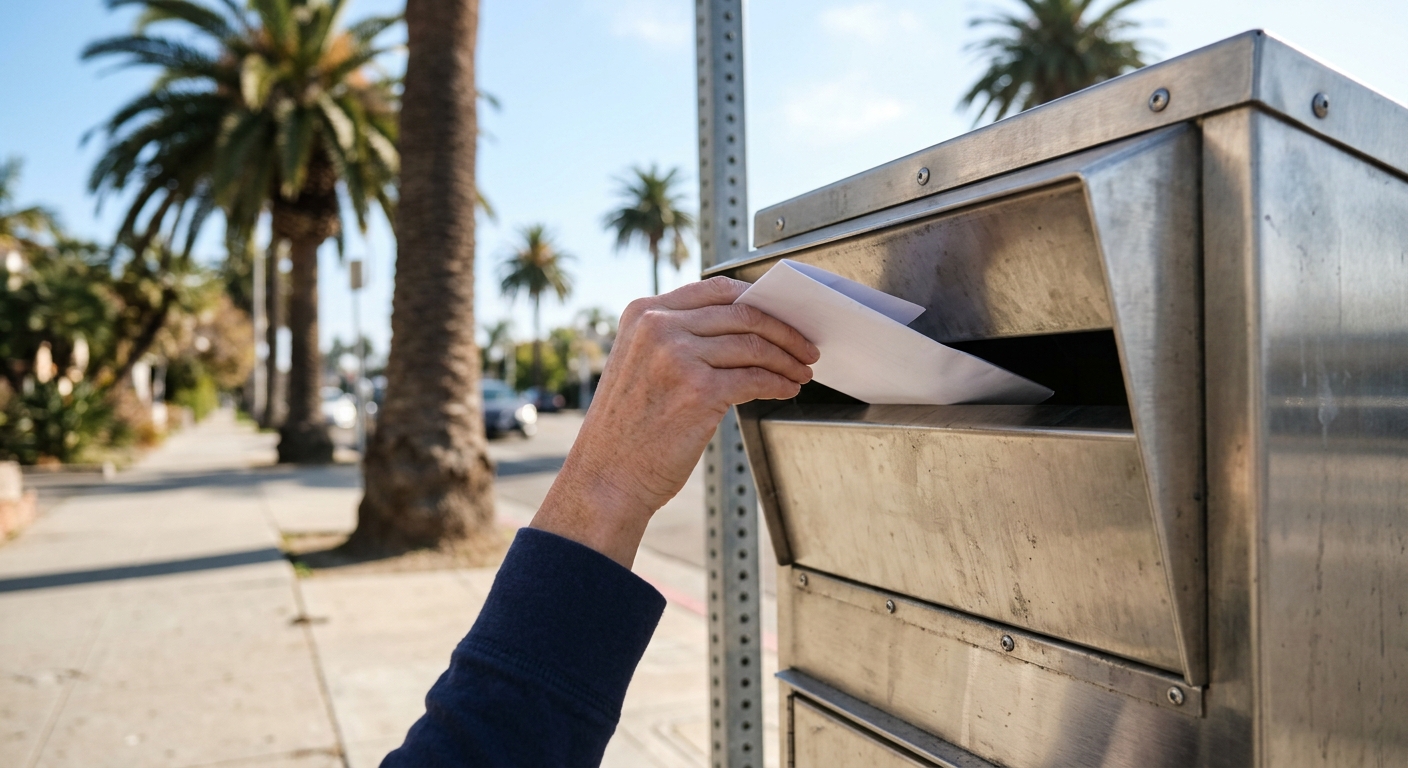
AI-generated illustration; not a photograph of the reported event.
- calendar_today October 31, 2026
Overview of California's 2026 Ballot Propositions
As California voters prepare for the upcoming election, several significant propositions are on the ballot. This guide outlines the basics, impacts, and key arguments surrounding each measure, from housing bonds and tax reforms to voter ID requirements and health-related funding.
Proposition 1: Veterans and Affordable Housing Bond Act of 2026
This measure proposes that the state borrow $11.25 billion through bonds to support affordable housing for low- and middle-income residents. The largest share—$7.2 billion—would go to builders who offer homes to low-income families. An additional $1.25 billion is allocated for veterans through homeownership loans. Supporters argue it helps Californians achieve homeownership, while opponents prefer reducing building regulations to decrease costs.
Proposition 2: Strengthening State Savings
Proposition 2 would allow the government to increase state savings and provides another option to avoid issuing taxpayer rebates during budget surpluses. It exempts deposits into state savings from a pre-existing voter-approved spending limit and raises the cap on reserve funds. Supporters believe this will help maintain essential programs during downturns; critics worry it could prevent surplus money from returning to taxpayers.
Proposition 3: Permanent Tax on High Earners for Education
This proposition seeks to make permanent an expiring tax on the top 2% of earners, with revenues directed to education—89% for K-12 schools and 11% for community colleges. While proponents emphasize the importance of stable education funding, opponents raise concerns about high tax rates and government inefficiency.
Proposition 4: Public Funding of Campaigns
Proposition 4 would repeal a 1988 ban on the public financing of campaigns, permitting local and state governments to implement such programs under certain restrictions. Backers cite increased fairness and accountability; detractors express worry about potential misuse of funds and argue current limitations suffice.
Proposition 5: Recall Election Reform
This measure aims to separate the recall and replacement processes for state elected officials. Voters would first decide if an official should be recalled. If the recall passes, a replacement would be selected by appointment, succession, or special election. For the governorship, the lieutenant governor would serve until the next term. The measure seeks to address criticisms of the current recall process, especially after the costly and unsuccessful 2021 recall effort.
Proposition 37: Down-Payment Assistance for Homebuyers
Proposition 37 authorizes up to $25 billion in down-payment assistance loans for eligible middle-income buyers, enabling them to borrow up to 17% of a new home's price. The loans would not be funded by taxpayers but paid back through interest. Participation is limited to new construction, which supporters argue could incentivize homebuilding. Critics express concerns about increased buyer debt and the limited impact on overall affordability.
Proposition 38: Funding for Immunology and Immunotherapy Research
Proposition 38 would allow the state to issue $8.4 billion in bonds for research into immunology and immunotherapy, especially for diseases such as cancer and Alzheimer’s. Half the funds would go to a research institute selected by the California Department of Public Health, with the rest for grants. Supporters include major health foundations and disease advocacy groups, though some argue the eligibility criteria restrict competition.
Proposition 39: Voter ID Requirements
If passed, this measure would require in-person voters to show government-issued ID and mail-in voters to provide the last four digits of the ID number from their registration. Supporters argue it will prevent voter fraud, while opponents—supported by civil rights organizations and independent experts—say that it risks disenfranchising eligible voters, particularly marginalized groups.
Proposition 40: Billionaire Asset Tax
This contentious proposal would impose a one-time 5% tax on residents worth at least $1 billion, with 90% of the proceeds going to healthcare and 10% to education and food assistance. Supporters assert that the super-rich can afford this and that it would have a significant positive impact. Opponents, including some of the state’s wealthiest residents, argue it would discourage innovation and drive wealth out of California.
Other Notable Propositions
- Proposition 41: Would require state audits for new special taxes and restrict new tax exemptions, potentially blocking Proposition 40 if both pass and 41 receives more votes.
- Proposition 42: Aims to prohibit new taxes on retirement and personal savings, which could also prevent Prop 40 from taking effect.
- Proposition 44: Requires federally funded health clinics to spend at least 90% of revenue on program services, with penalty provisions for noncompliance.
- Proposition 45: Sets stricter deadlines and limits on the environmental review process, potentially affecting housing and data center development, with debate over impacts on environmental protections and construction timelines.
Conclusion
These ballot propositions tackle core issues of housing, taxation, elections, education, healthcare, and government operations in California. Voters are urged to carefully consider the arguments for and against each measure before heading to the polls.
Source: latimes.com.
Recent Posts

Hot Categories

138
Business

71
Events

176
News

81
Sports
108
Technology
