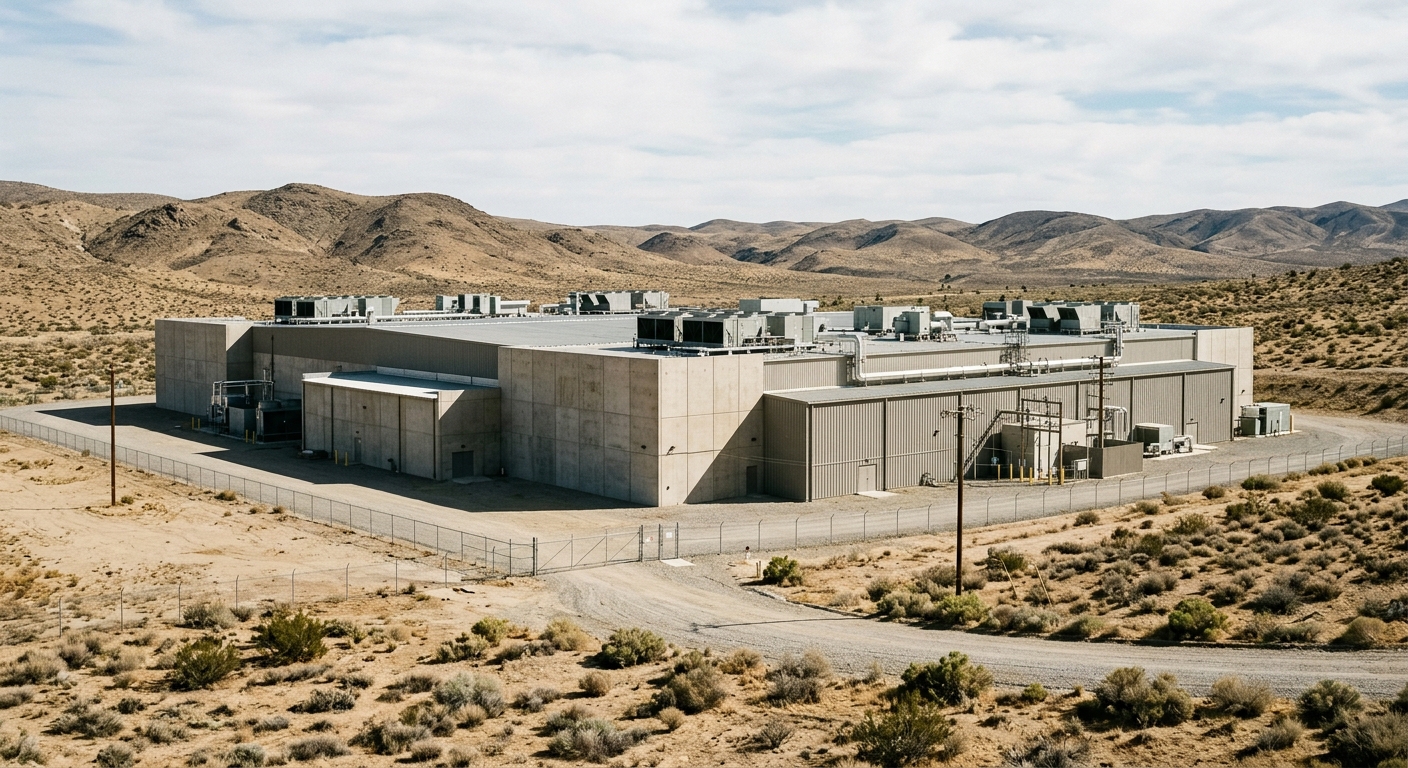
AI-generated illustration; not a photograph of the reported event.
- calendar_today October 14, 2026
Proposition 45 Aims to Change Environmental Review in California
Proposition 45, appearing on California's November ballot, is at the center of a heated debate over how construction projects will be reviewed under the state's environmental laws. The measure seeks to modify the California Environmental Quality Act (CEQA), which is designed to inform decision makers and the public about potential environmental impacts and ensure mitigation where possible. Supporters of Proposition 45 argue that the changes will speed up reviews for essential projects, while opponents warn that it could undermine environmental protections and potentially expedite controversial developments such as data centers.
Concerns in Imperial County Highlight the Stakes
The controversy is particularly acute in Imperial County, where a proposed one-million-square-foot data center was halted by a county judge who ruled that it required comprehensive environmental review. The county, which faces significant air pollution and high childhood asthma hospitalization rates, has seen strong community opposition to the project. Community organizer Kristian Salgado voiced relief at the judicial decision, expressing concern about the impact of large backup generators on local residents, including her nephew who lives nearby and suffers from asthma.
How Proposition 45 Could Affect Data Center Projects
Opponents of Proposition 45 believe that the initiative could roll back protections that halted projects like the Imperial County data center. A central issue is whether data centers would fall under the law's expedited review process due to the inclusion of "broadband internet access projects" in the measure's language. While Dan Dunmoyer, president and CEO of the California Building Industry Association, insists that data centers were specifically excluded from the measure, critics point out that data centers are not explicitly named among excluded projects, which raises legal ambiguity.
Rachelle Chong, a former member of the Federal Communications Commission, argues that the measure's definition applies to consumer internet access and does not include conventional data centers. However, land use attorneys Matthew McKerley and Richard Frank maintain that many modern data centers do fit the criteria, given their role in transmitting data to and from internet endpoints. Campaign finance contributions from data center developers, such as a $250,000 donation from Prologis, have fueled skepticism from opponents.
Legal Debate and Broad Interpretation
The legal fate of data centers under Proposition 45 is uncertain. Ethan Elkind, director of the climate program at UC Berkeley Law, noted that courts—not the measure’s authors—will ultimately decide whether data centers are included. Eric Biber, another UC Berkeley law professor, highlighted language in the proposition that requires it to be interpreted broadly, possibly tipping the scales in favor of including more projects. In contrast, attorneys Ryan Thomason and J. Scott Miller argue that existing statutes and judicial precedent may lead courts to exclude data centers from the streamlined review.
Regardless of Prop 45’s outcome, Dunmoyer insists that it does not overturn local zoning authority. He contends that the measure does not permit the automatic siting of data centers in residential backyards and that such approvals would still require local government consent.
The Imperial Valley Data Center Case: A Test of Future Rules
The proposal for the Imperial Valley Data Center Campus illustrates the intersection of zoning, community opposition, and environmental regulation. County officials had previously granted the data center an exemption from CEQA, citing the area's existing zoning for such uses. This exemption led to public backlash, lawsuits, and a temporary moratorium, although this was later rescinded after a court order.
If Proposition 45 passes and is interpreted to include data centers, measures like local moratoria may no longer be possible after a project's application is submitted, according to Eric Biber. This could limit the ability of state and local governments to change rules mid-process, potentially affecting projects like the one in Imperial County. Attorneys opposing Prop 45 assert that developers could claim protections under the new law, further restricting judicial oversight of qualifying projects.
Economic Claims and Ongoing Dispute
Sebastian Rucci, principal developer of the Imperial Valley data center, has stated his commitment to advancing the project and claims it would bring at least 100 permanent jobs and $28.7 million in annual property tax revenue. Rucci criticizes CEQA as being used to block projects, rather than truly protect the environment, and has threatened to relocate the project if regulatory challenges persist.
As California voters prepare to consider Proposition 45, the debate over its implications for infrastructure projects, including the future of data centers, continues to draw attention from legal experts, community groups, developers, and policymakers.
Source: latimes.com.
Recent Posts

Hot Categories

132
Business

70
Events

172
News

81
Sports
103
Technology