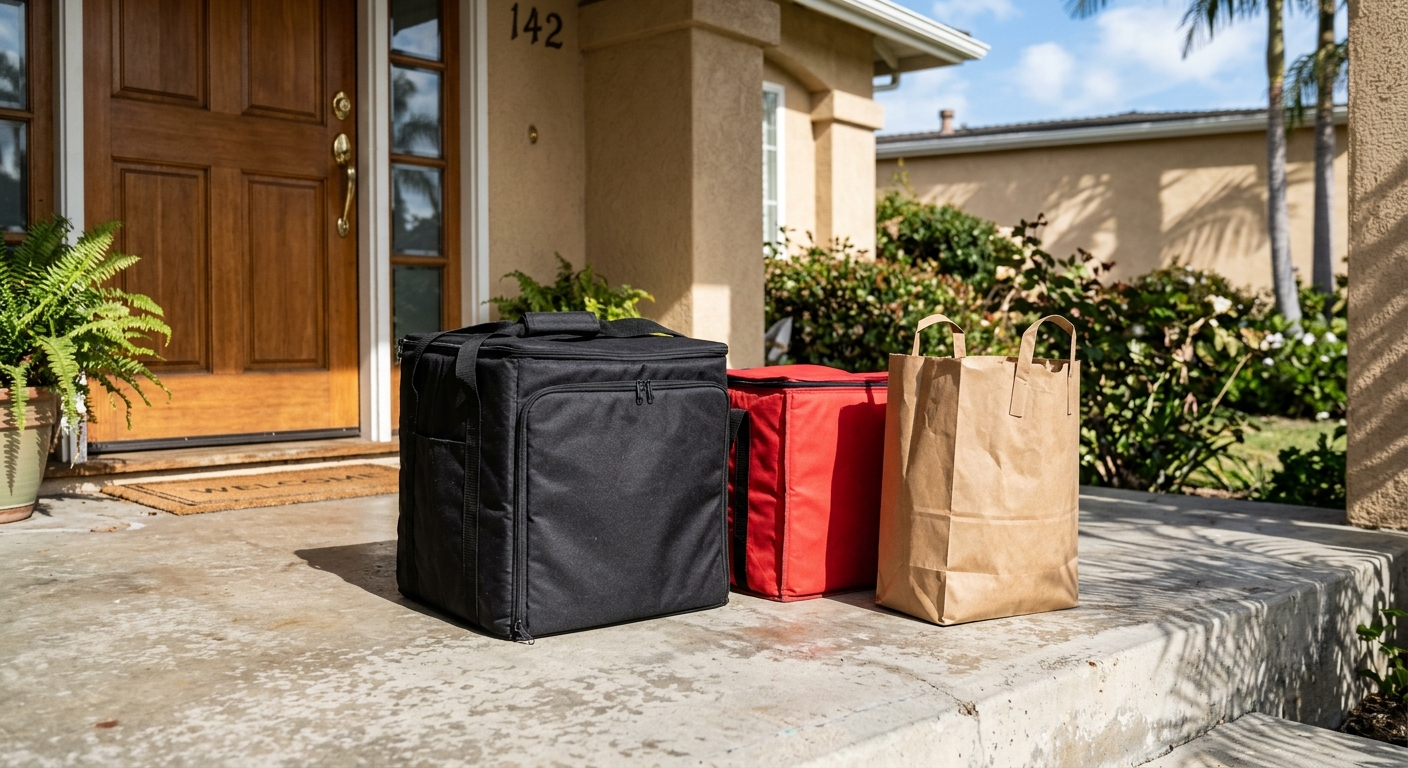
AI-generated illustration; not a photograph of the reported event.
- calendar_today October 29, 2026
DoorDash Announces $17 Billion Acquisition of Instacart
DoorDash has revealed plans to acquire Instacart in a deal valued at $17 billion, a move expected to reshape the grocery delivery landscape. The companies aim to leverage Instacart’s specialized grocery delivery expertise alongside DoorDash’s expansive logistics network, significantly boosting their capabilities in the sector.
Instacart Brand and Services to Remain
Despite the acquisition, DoorDash stated that the Instacart brand name and app will continue operating independently. Instacart shoppers—its network of independent contractors—will still fulfill orders for Instacart, ensuring continuity for existing customers and workers. Grocers will maintain the option to partner with either Instacart or DoorDash for their delivery needs.
Expanded Store Access for Instacart Customers
Following the acquisition, Instacart customers will gain access to an additional 50,000 stores covered by DoorDash. This expansion is expected to provide a wider range of grocery and retail options, enhancing the convenience for consumers using Instacart for grocery delivery and other fulfillment needs.
Company Backgrounds and Market Impact
Instacart, established in 2012, focuses on grocery and convenience store delivery in the United States and Canada. Its workforce of approximately 600,000 shoppers completed 338 million orders last year, and the company currently holds a market value of $14 billion. DoorDash, founded in San Francisco in 2013, began as a restaurant delivery platform and has since broadened its services to include pet food, electronics, and other goods. The company operates in 40 countries, processing over 3 billion orders last year through a network of 9 million independent delivery workers, with a market value of $73 billion.
Growth in Grocery Delivery and Partnerships
DoorDash joined the grocery delivery sector in 2020, spurred by increased demand during the COVID-19 pandemic. Its early collaborations with national grocery chains, such as Kroger, started with limited products but expanded to list the full inventory of all 2,700 U.S. Kroger stores. Last month, DoorDash added Costco to its delivery network, illustrating ongoing growth and diversification within the grocery ecommerce landscape.
Combining Grocery Expertise and Logistics Strength
Tony Xu, DoorDash's co-founder and CEO, commented that merging Instacart’s grocery experience with DoorDash’s logistics know-how will bring new tools to retailers of all sizes, enhancing the quality and reliability of grocery fulfillment. "Grocery is one of the hardest things to get right online. Someone has to pick a ripe avocado, find a substitute you’d choose yourself, and get the ice cream to you before it melts," Xu said in a statement, emphasizing the challenges the companies aim to address.
Changing Market Shares in U.S. Delivery
DoorDash’s expansion has had a significant effect on the delivery market share landscape. According to Consumer Edge, five years ago, Instacart held 26% of U.S. delivery platform spending, a figure that has declined to 18%. Meanwhile, DoorDash’s share increased from 44% to 59% in the same period. Uber Eats’ share has remained steady at just under 20%.
Uncertain Impact on Existing Partnerships
The acquisition’s effects on current partnerships are not yet clear. For instance, Instacart still offers delivery from Walmart, while DoorDash ended its Walmart delivery service in 2022. The deal introduces questions about future alignment with partner retailers and how the merged companies will manage these relationships.
Source: kron4.com.
Recent Posts

Hot Categories

135
Business

71
Events

172
News

81
Sports

106
Technology