- calendar_today August 18, 2026
As California grapples with persistent drought, the future of Colorado River water allocations has ignited a new round of regional tensions. The Biden administration’s latest proposal to address drastic water shortages along the Colorado River basin has met fierce resistance from Arizona, setting the stage for a potential legal standoff that could reshape water distribution for years to come.
Federal Water Cutbacks Spark Arizona Opposition
The proposed federal plan mandates up to 40 percent water cutbacks for Arizona, Nevada, and California over the next decade—measures intended to keep the Colorado River reservoirs from reaching dangerously low levels. However, Arizona officials have forcefully opposed these reductions, arguing that the proposal violates the historic Colorado River Compact of 1922 and unfairly targets states with so-called “junior” water rights.
Impact on California’s Water Access
For California, the preservation of Colorado River water is crucial. The river supplies about 35 million people and irrigates 5 million acres of farmland throughout the Southwest, including a significant portion within California’s Imperial and Coachella Valleys. Local water districts have voiced cautious support for the plan, emphasizing the need to avoid catastrophic depletion of Colorado River reservoirs. Yet California’s inclusion among states facing mandatory reductions highlights the widespread implications of the Colorado River plan.
Arizona’s Legal Threat Over Water Rights
Arizona’s opposition centers on longstanding arizona water rights issues. The state claims its rights, tied to the Central Arizona Project, have left it especially vulnerable to federal mandates. State leaders have formally reserved the right to pursue colorado river litigation, framing the proposal as a breach of existing allocation agreements and a threat to water deliveries for millions of Arizonans. The state’s action marks a significant escalation in the evolving debate over colorado river water allocation.
Drought and Aridification Intensify Pressures
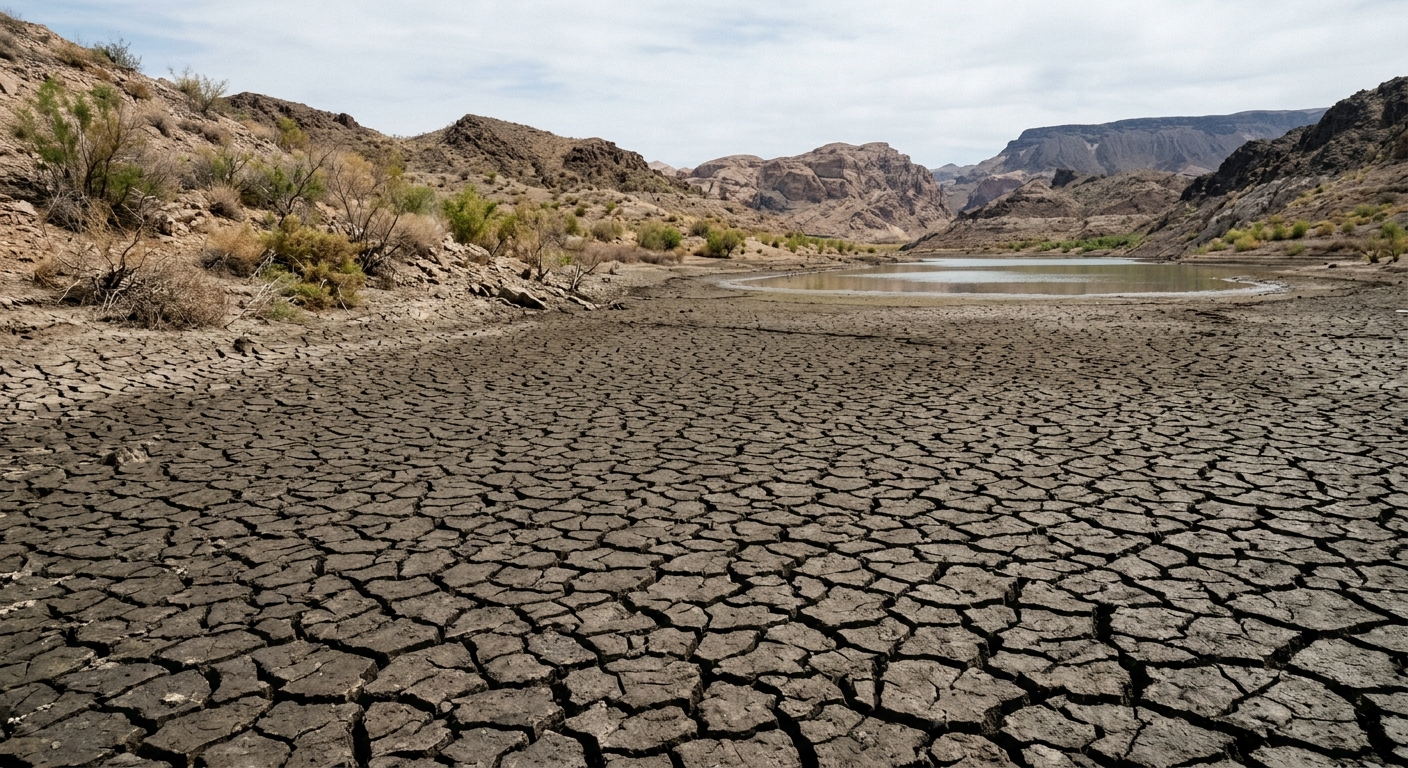
Regional hydrologists warn the Colorado River drought, prolonged by climate change, has reduced total flows by over 30 percent since 2020. Storied reservoirs such as Lake Mead and Lake Powell have reached record-low elevations, bringing both California and its southwestern neighbors to a critical juncture. According to experts, the Colorado River Compact now appears insufficient to manage new climate realities. They call for renegotiation of allocations reflective of sharper weather extremes and persistent water shortages.
Calls for Collaborative Regional Solutions
While other states, including California, have largely supported the federal plan, they acknowledge the failure to include upstream states in mandatory reductions could undermine long-term sustainability. Regional policymakers and water experts stress that revising the colorado river plan must involve all basin states and incorporate climate projections. Failure to address both legal and environmental concerns, they warn, could lead to protracted colorado river litigation and even greater instability in water supplies throughout the region.
Seeking a Path Forward for California and the West
As the legal and political battlelines are drawn, the outcome will determine not only the fate of arizona water rights and colorado river water allocation, but also the economic and environmental security of communities spanning California and the broader Southwest. The stakes are particularly high as the region braces for further aridification, leaving local governments, farmers, and millions of residents to watch closely for any breakthrough in negotiations over the precious resource of Colorado River water.