- calendar_today August 23, 2025
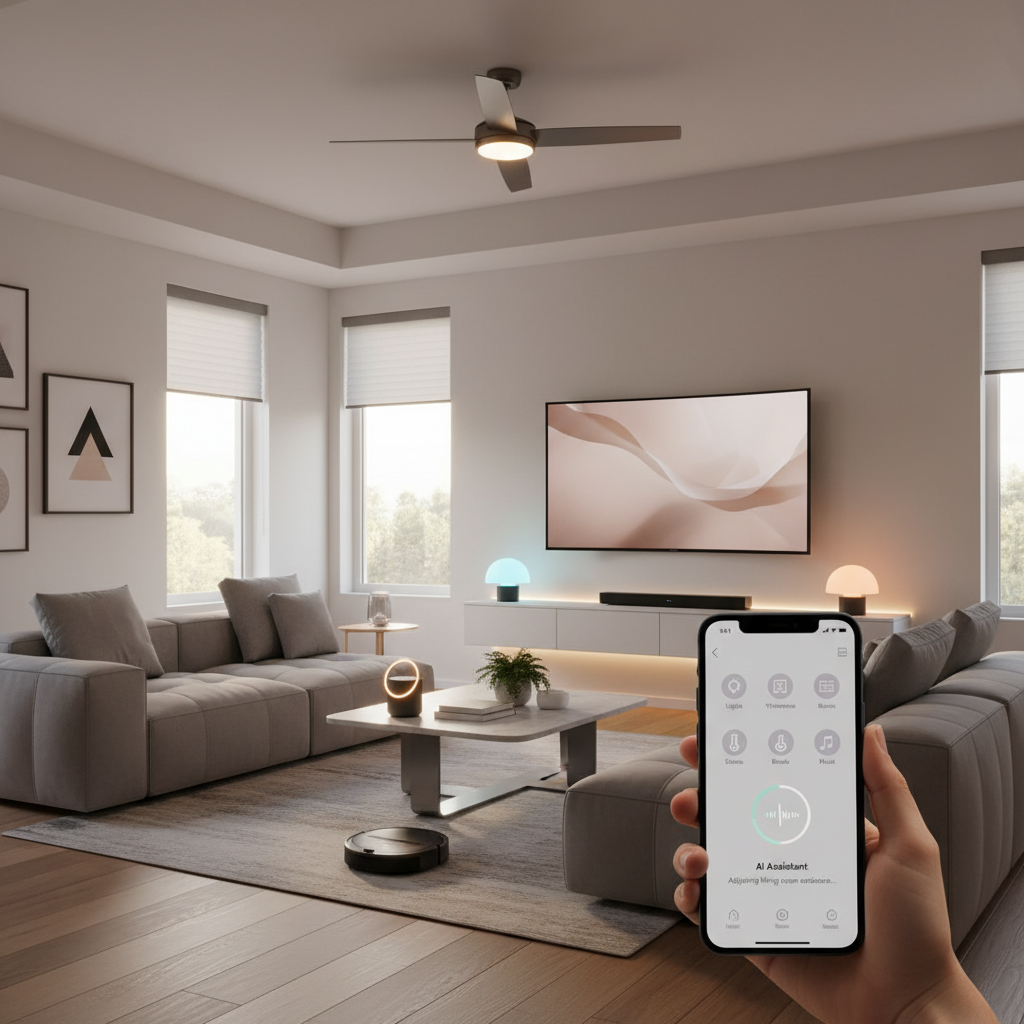
Google has planned an ambitious pathway for its smart home ecosystem which indicates substantial changes for the Google Home application. The integration of Nest devices into the Home app marks the beginning of Google’s efforts to improve this platform through a complete redesign aimed at better user simplicity and experience enhancement. The transformation’s core element entails more extensive Gemini AI integration which delivers advanced intelligent automation and intuitive control capabilities for smart homes. The combination of these technological developments and the broader third-party device support via the Home API creates the foundation for an entirely unified and responsive smart home system.
The Google Home app functions as the primary platform to manage a vast range of smart devices including Google cameras and thermostats as well as an expanding list of third-party gadgets. Though mixed device setups have been feasible for some time, users commonly encounter difficulties because of the complexity involved in managing different devices together. Google asserts that implementing artificial intelligence through Gemini will create a smarter and easier-to-use environment.
Gemini’s Expanding Reach and Enhanced Automation
Last year marked the beginning of this AI-powered smart home initiative through initial Gemini integration tests with Google Home. Google continues to broaden accessibility by enabling third-party devices to use Gemini’s capabilities through the Home API. This development represents an essential move for building a fully connected smart home network. Google has been carefully collaborating with an exclusive group of partners to prepare their devices for upcoming general availability.
These third-party devices represent the first to take advantage of deeper integration with Google Home’s Gemini ecosystem.
- The First Alert smoke/carbon monoxide detector has replaced Google’s discontinued Nest devices.
- The Yale smart lock will replace Google’s Nest devices in the system.
- Cync lighting
- Motorola Tags
- iRobot vacuums
The main feature of the Gemini expansion is how it stands to transform smart home automation systems. Through its Labs program Google continues to improve these capabilities which enables users to use conversational AI to easily create complex routines. By saying to Gemini “Remind me about package deliveries” or “Detect unwanted animals in my garden” users can have AI automate their tasks without having to go through multiple menus. The natural language interaction makes smart home automation available to everyone by removing technical barriers.
Gemini’s support for the automation API means more smart home devices will connect to Gemini which allows it to create smarter automated task recommendations. Google has announced that the Gemini expansion will add more triggers that respond to real-world conditions including:
- Specific dates
- Prevailing weather patterns
The integration enhances home automation systems by adding greater sophistication and relevance.
Modern smart home environments possess intricate systems that frequently prevent people from comprehending home activities. Google Home’s “favorites” page streamlines some processes but now Google is releasing a new tool to deliver faster and more accessible insights. The Home Summary Widget delivers real-time updates and insights about your connected home environment directly to your Android device. The dynamic widget will alert you when a package arrives at your door or when you forget to turn off the lights. Users can achieve peace of mind and improve their home management capabilities through this easy-to-view information.
The innovative Home Summary Widget has entered its testing phase with a restricted deployment on Pixel phones. Google plans to extend its Labs program soon to include more users who can test this feature and provide important feedback. Google continues to exercise caution regarding its general public release plan by avoiding concrete commitment statements. The company’s careful strategy indicates its dedication to extensive testing and fine-tuning prior to any wider implementation.
Developers who want to discover the capabilities of new APIs and support the development of the Google Home ecosystem should subscribe to Google’s smart home developer newsletter. Developers who subscribe will stay updated and receive timely information when the early access program launches its new features later this year. The message is clear: Google extends an invitation to developers to collaborate on evolving smart home technology beyond just its own refinement efforts. Under Gemini’s leadership and a revitalized dedication to open standards Google Home will provide a smarter and more automated home experience for all users. Google demonstrates its dedication to smart home development through persistent efforts for improved integration along with intuitive controls and proactive insights that make smart homes functional and easily integrated into everyday life.